 tradivior
Cross-Civilization
Explore by topic, region and evidence
Comparative investigations that trace a practice, symbol or human problem across multiple civilizations without assuming a single origin.
-
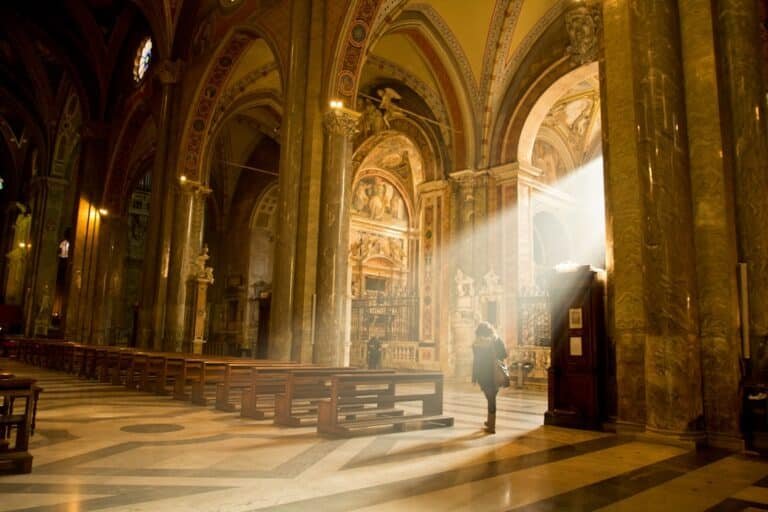
Why Do Sacred Spaces Control Light So Carefully?
Sacred spaces use darkness, filtered daylight, lamps and luminous surfaces to direct attention and shape ritual experience. Modern perception science explains why these strategies work without implying hidden ancient neuroscience.
-
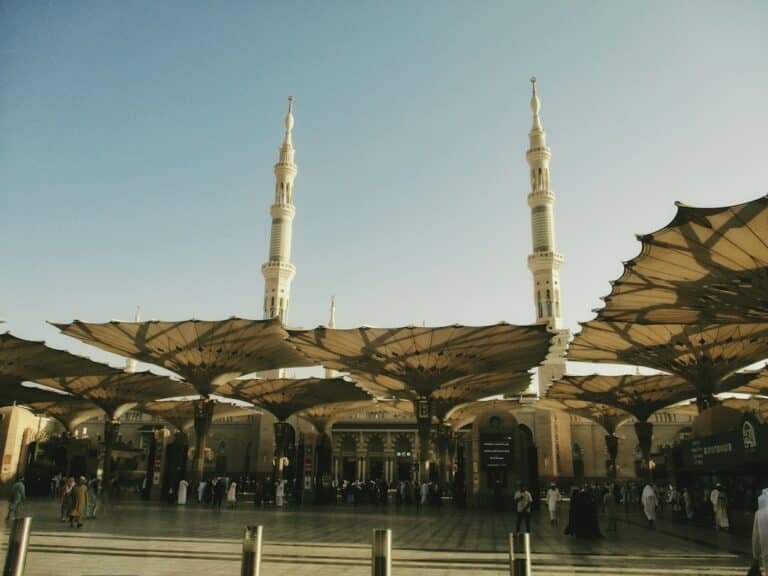
Why Do Mosques Use Courtyards, Domes and Minarets?
Mosque courtyards, domes and minarets developed at different times to serve congregation, prayer orientation, ablution, sound, climate and public visibility. Modern acoustics confirms real effects, including that domes can sometimes…
-

Why Do Sacred Buildings Reach Upward?
Sacred buildings reach upward because height makes religious institutions visible, marks sacred centres and creates awe. Psychology supports associations between verticality and power, but the pattern does not require a…
-
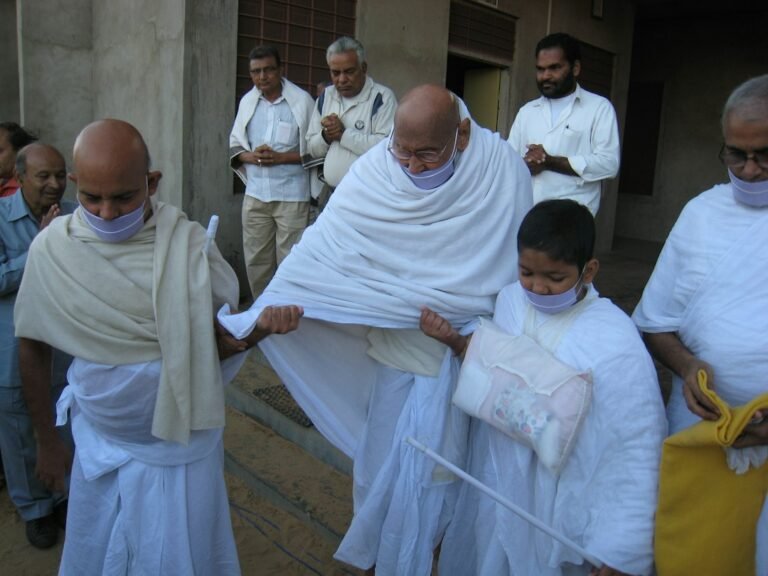
Why Do Mourning Clothes Change Colour Across Cultures?
Mourning colours differ because their main function is social rather than biological. Black, white and other mourning palettes make grief and changed status publicly visible, while the specific colour depends…
-
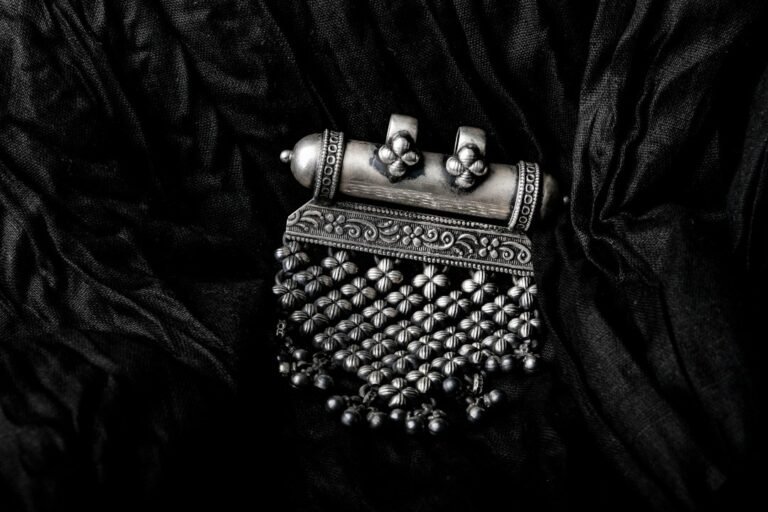
Why Do Metals and Gemstones Become Protective or Auspicious Objects?
Metals and gemstones became protective and auspicious because rarity, durability and ritual meaning made them powerful symbols. Copper and silver have real material properties, but therapeutic jewellery, crystal energy and…
-
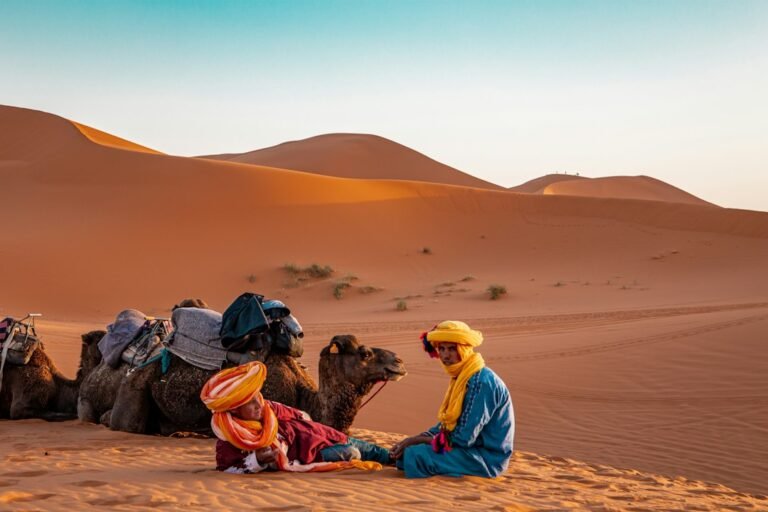
Why Did Traditional Clothing Evolve Around Climate and Work?
Traditional clothing evolved through climate, labour, local fibres, trade and social rules. Thermal science strongly supports the importance of insulation, airflow, evaporation and garment geometry, but no single fibre or…
-
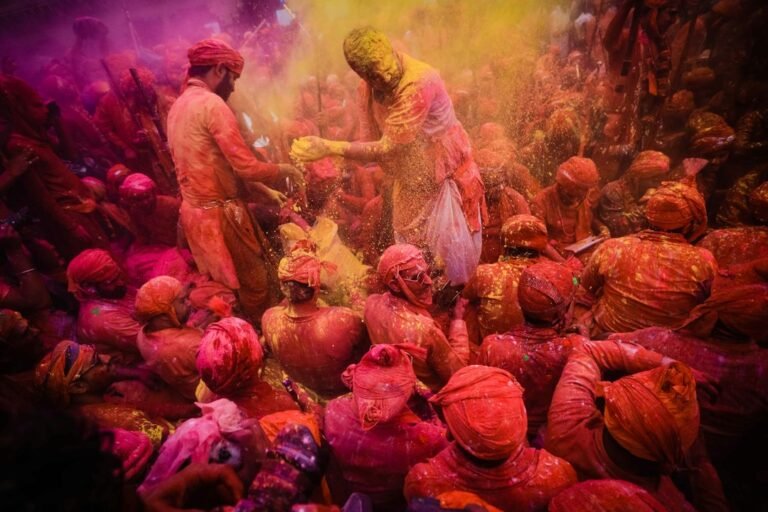
Why Do Cultures Give Ritual Meaning to Colour?
Ritual colour meanings arise from both shared human perception and learned cultural history. Cross-cultural research finds broad emotional regularities, but religion, material scarcity, language and ritual can give the same…
-
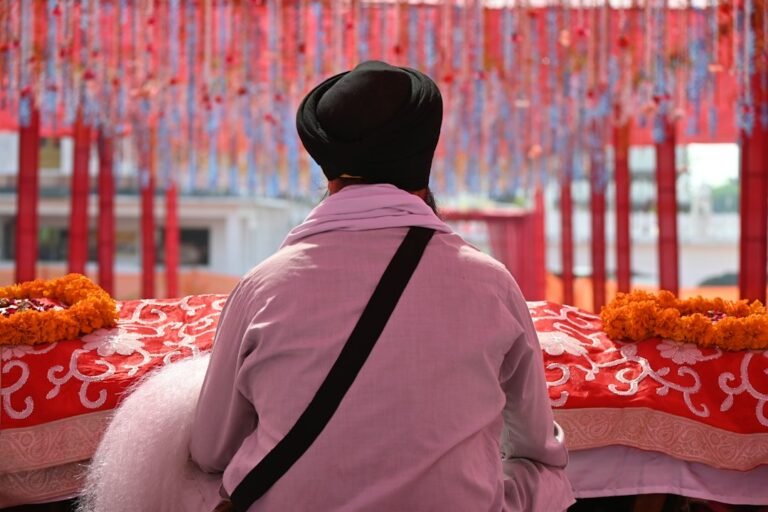
Why Do Religions Cover the Head in Worship?
Religious head coverings across Judaism, Christianity, Islam and Sikhism express different combinations of reverence, modesty, discipline and identity. Their strongest effects are social and psychological, not a universal hidden physiological…
-
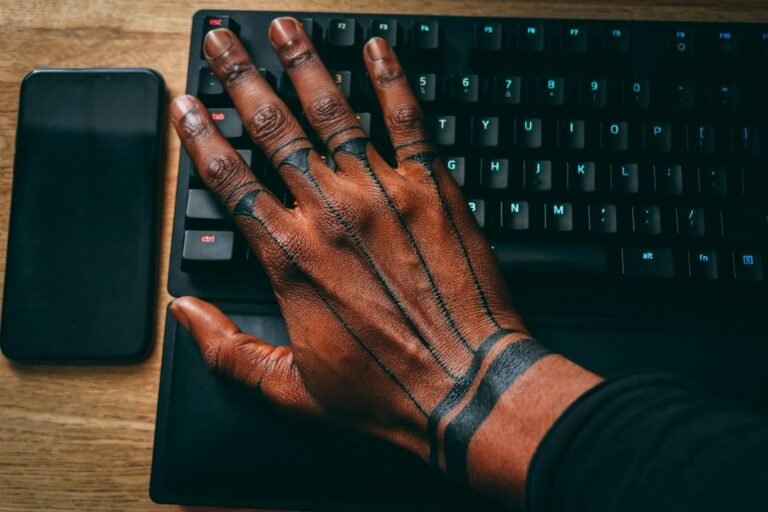
Why Did Humans Tattoo the Body?
Tattooing turns skin into a permanent social surface. Across cultures it has marked identity, initiation, rank, protection, punishment, memory and belonging; its permanence makes those signals powerful while also creating…
-
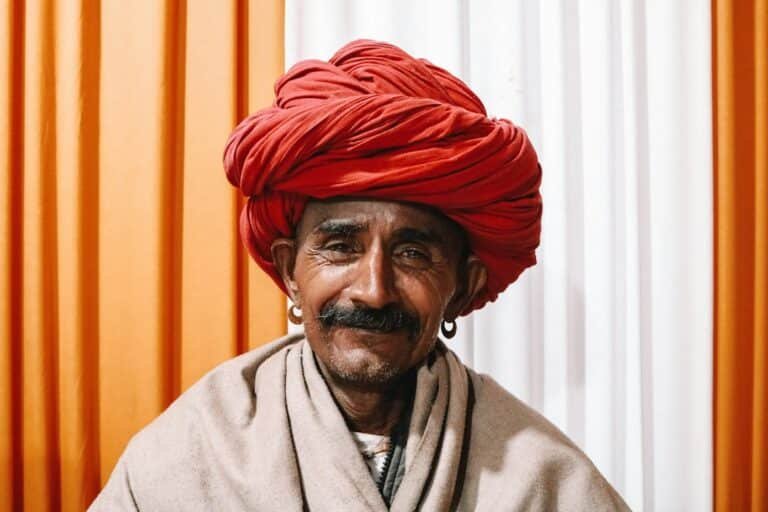
Why Did Humans Wear Jewellery?
Jewellery is one of humanity’s oldest symbolic technologies. Early shell beads predate agriculture by tens of thousands of years, and later ornaments communicate identity, status, alliance, devotion, wealth and memory.
-
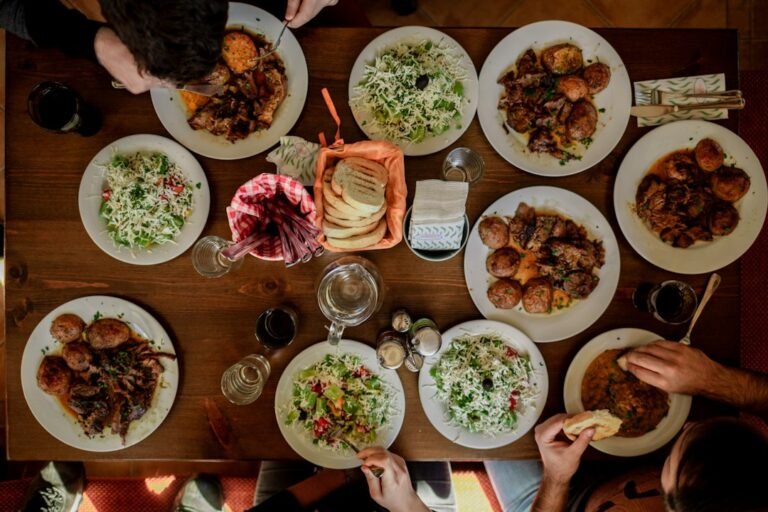
Why Does Eating Together Build Trust?
Shared meals can build trust by combining food sharing, similarity, conversation, synchrony and repeated interaction. Experiments support some direct effects, while broader family-meal benefits remain largely correlational.
-
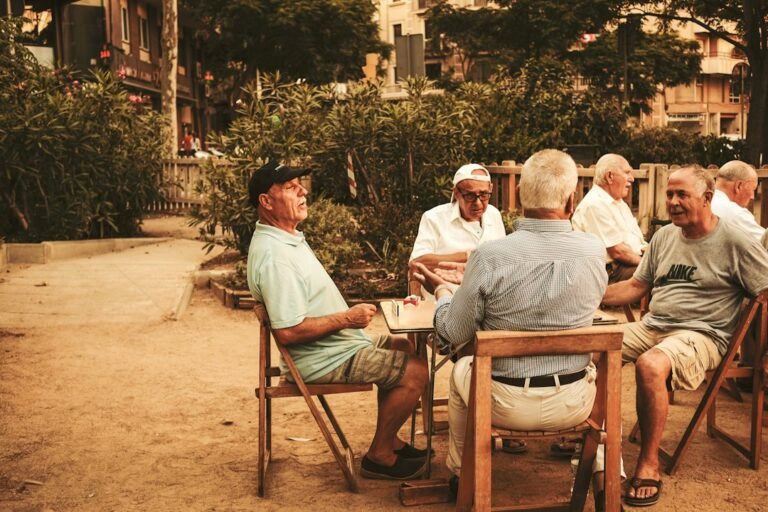
Why Do Communities Create Councils of Elders and Informal Courts?
Councils of elders and customary courts offer local knowledge, speed and reconciliation, but their legitimacy depends on fair procedure. The same community power that enforces settlements can also reproduce caste,…