 tradivior
Cross-Civilization
Explore by topic, region and evidence
Comparative investigations that trace a practice, symbol or human problem across multiple civilizations without assuming a single origin.
-

Why Do Humans Organize Themselves Into Castes, Clans and Lineages?
Lineages and clans organize descent, inheritance and alliance; caste became a more restrictive inherited social boundary shaped by endogamy, occupation, status and power. Genetics reveals the effects of endogamy but…
-
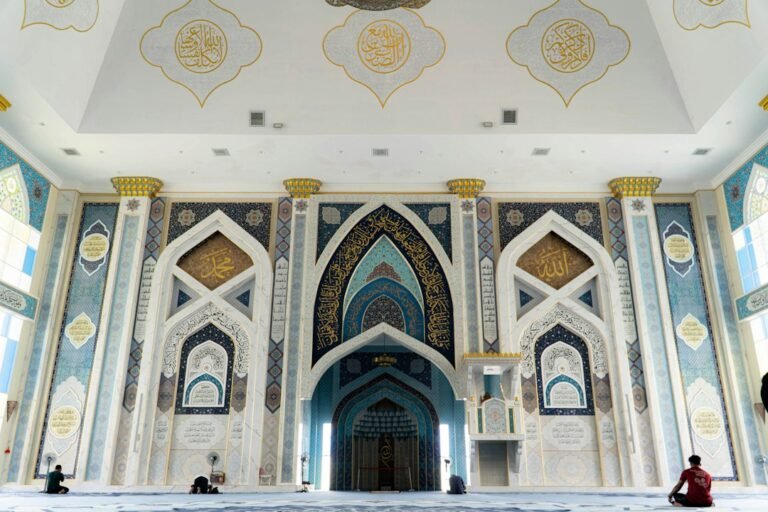
Why Did Some Societies Separate Men and Women in Public and Ritual Life?
Gender-segregated spaces have served ritual order, modesty, status, labour, privacy and control of sexuality. Their modern consequences depend heavily on choice, equal access and whether separation is voluntary or coercive.
-
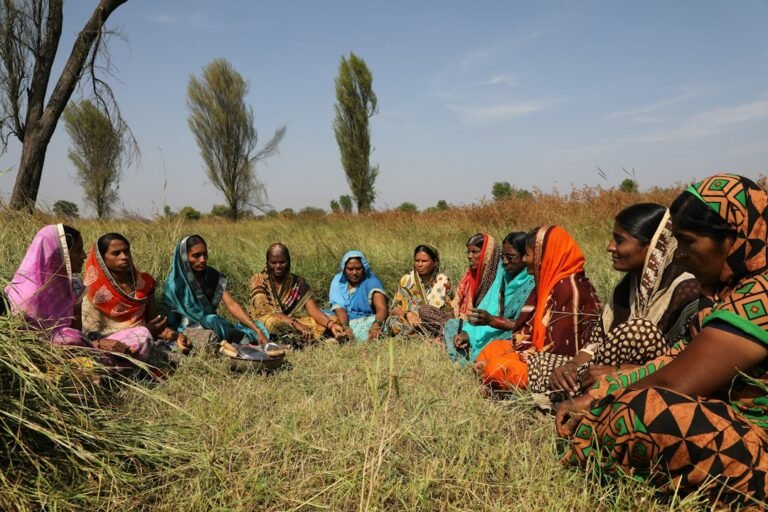
Why Do Elders Receive Special Deference?
Elders often gained deference because age accumulated knowledge, property, lineage authority and experience. Modern evidence supports the harms of ageism, but chronological age is not automatic proof of wisdom or…
-
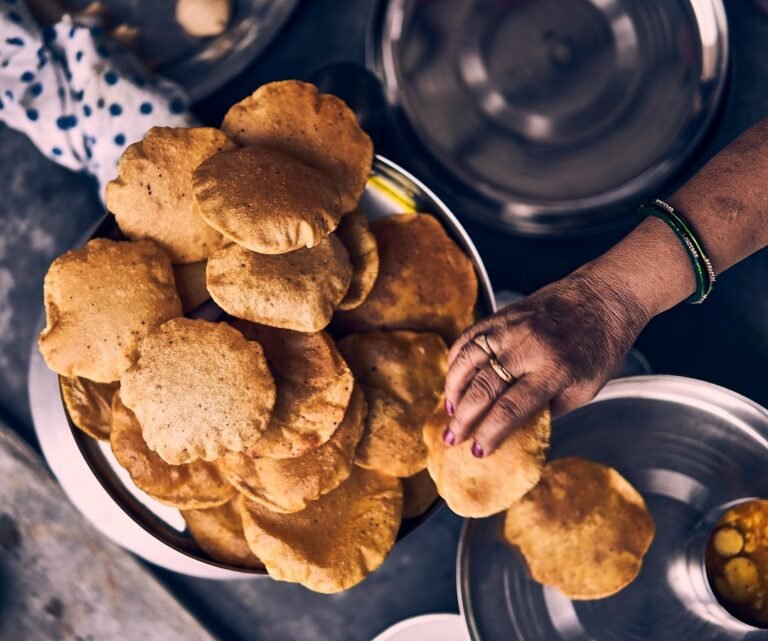
Why Do Communities Treat Hospitality as a Moral Obligation?
Hospitality became a moral obligation because strangers create both risk and opportunity. Guest-host codes reduce uncertainty, protect travellers, build reputation and create reciprocal relationships beyond kin.
-
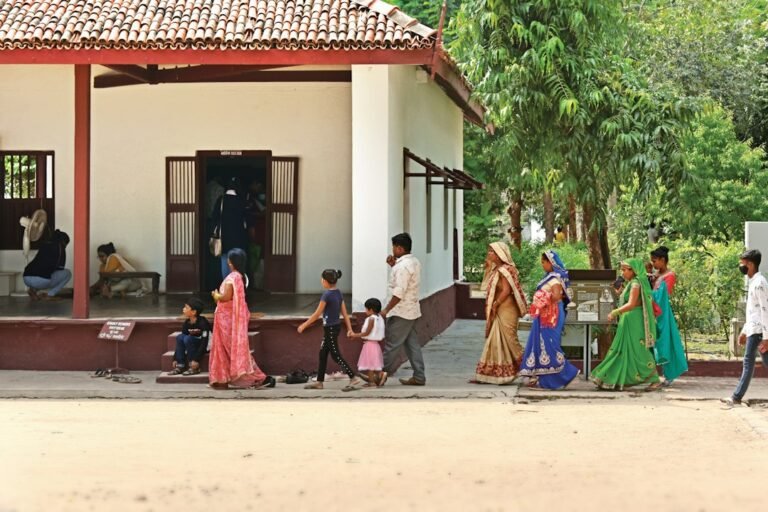
Why Do Kinship Systems Give Different Roles to Maternal and Paternal Relatives?
Kinship systems assign different roles to maternal and paternal relatives because descent, inheritance, residence and care are socially organized. Biology may influence some investment patterns, but culture can amplify or…
-
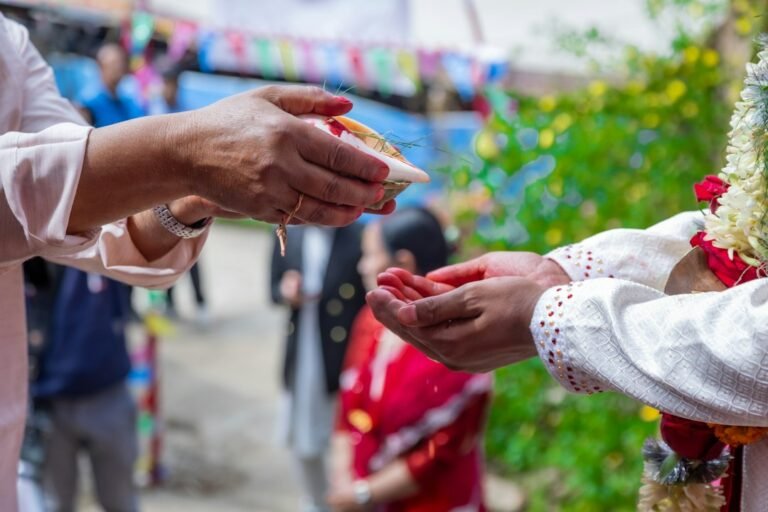
Why Do People Exchange Gifts?
Gift exchange binds people through reciprocity, alliance, prestige, obligation and memory. Modern research also suggests giving can improve well-being under some conditions, but gifts are not simply altruism or disguised…
-
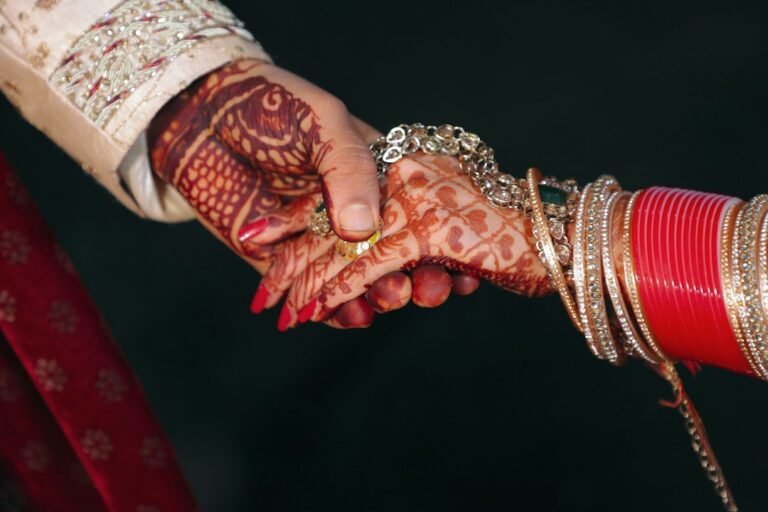
Why Did Arranged Marriage Become Common Across Many Societies?
Arranged marriage became common because marriage historically joined families, property and kinship systems as well as individuals. Modern outcomes depend far more on consent, autonomy, gender equality and family support…
-
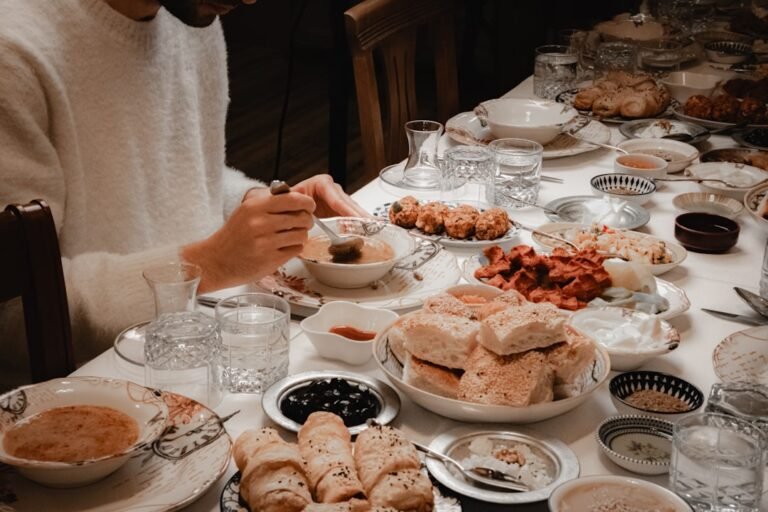
Why Is Feeding the Guest a Sacred Duty in So Many Cultures?
Feeding guests became a sacred duty across many cultures because hospitality reduces uncertainty, creates trust and extends protection beyond kin. The same norm can also produce status pressure and unequal…
-
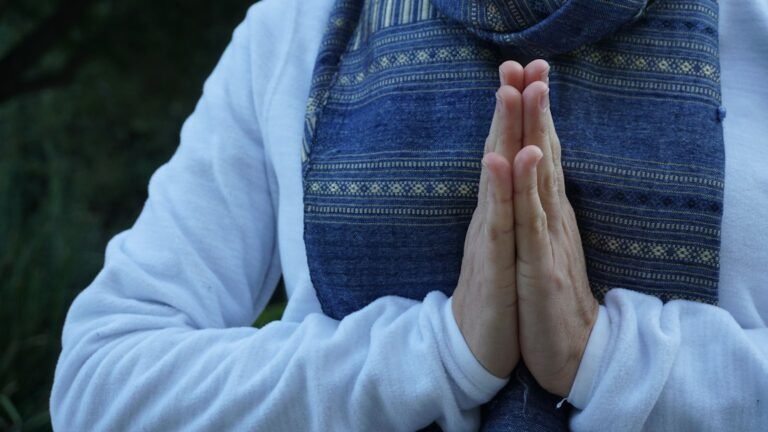
Why Do Humans Bow, Fold Hands, Kiss or Shake Hands in Greeting?
Bows, joined hands, kisses and handshakes look different, but all make social intent legible quickly. Greeting rituals signal respect, familiarity, rank and peaceful intent while reducing uncertainty at the start…
-

Why Did Extended Families Share Kitchens and Courtyards?
Shared kitchens and courtyards helped extended families pool labour, food, childcare and elder care. Research also shows the trade-offs: privacy loss, conflict and unequal care burdens can accompany the same…
-
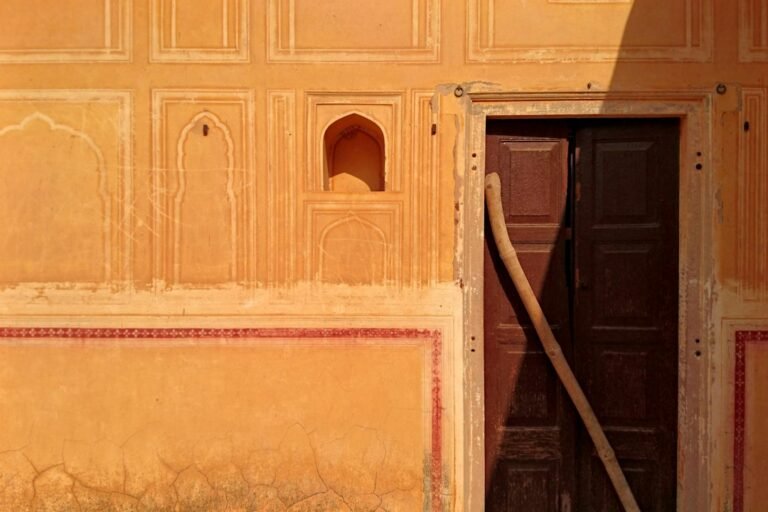
Why Do Many Cultures Orient Beds, Doors or Houses in Particular Directions?
Directional building rules can have real effects through sun, wind and daylight, but the optimal orientation is climate-specific. Evidence for universal magnetic-health claims about bed direction remains weak.
-
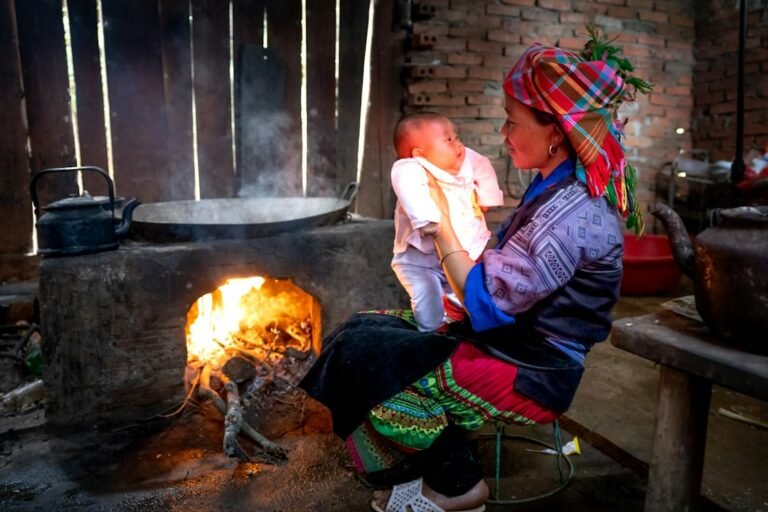
Why Did Homes Centre Daily Life Around the Hearth?
The household hearth combined cooking, heat, light and social gathering in one place, making it a practical and symbolic centre of domestic life—while also creating major smoke exposure.