Discovery
Explore by topic, region and evidence
Exploratory investigations designed to uncover an overlooked tradition, connection, mechanism or historical pattern.
-
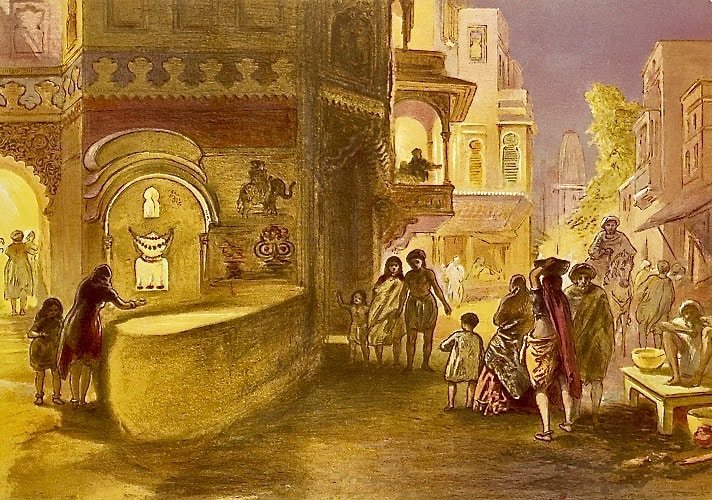
Why Is Diwali Built Around Light?
Diwali’s lamps are historically and religiously meaningful symbols whose interpretations vary across Hindu, Jain, Sikh and regional traditions. Light makes sacred time visible and transforms homes and streets; modern science…
-

Why Did Traditional Japanese Diets Emphasize Variety and Small Portions?
Traditional Japanese diets combined rice with vegetables, fish, soy foods, seaweeds, fermented products and many small side dishes. Cohort evidence links Japanese-style dietary patterns with lower cardiovascular mortality, but high…
-

Why Did Mediterranean Communities Eat the Way They Did?
The Mediterranean diet emerged from ecology, agriculture, scarcity, religion and cuisine—not from a single ancient health prescription. Modern evidence, including the reanalysed PREDIMED trial and prospective cohorts, supports cardiovascular benefits…
-
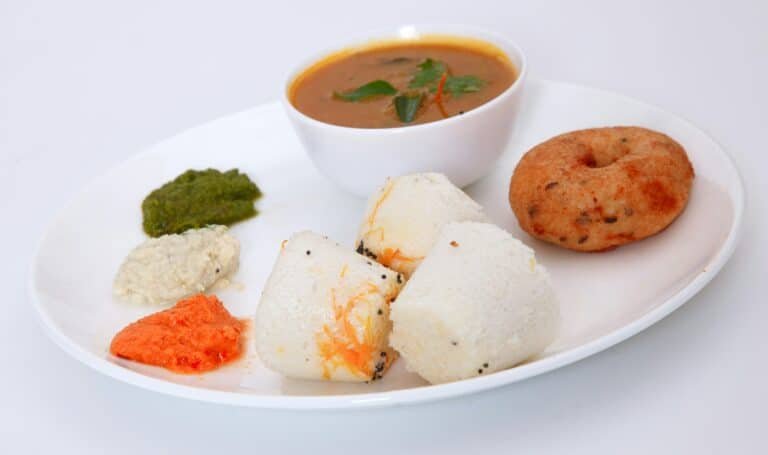
Why Did Indians Ferment Batter for Idli and Dosa?
Idli and dosa batter is a real microbial technology: lactic-acid bacteria acidify and leaven it, while fermentation changes texture, flavour and some nutrients. The evidence supports culinary biotechnology—not claims that…
-
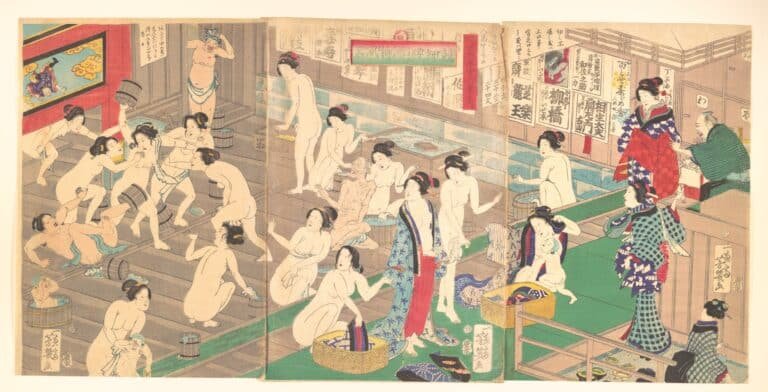
Why Did Japanese Bathing Become More Than Hygiene?
Japanese bathing became more than hygiene through centuries of purification, temple baths, public sento, hot springs and domestic soaking. Modern science supports some benefits of warm-water immersion—but also important risks.
-
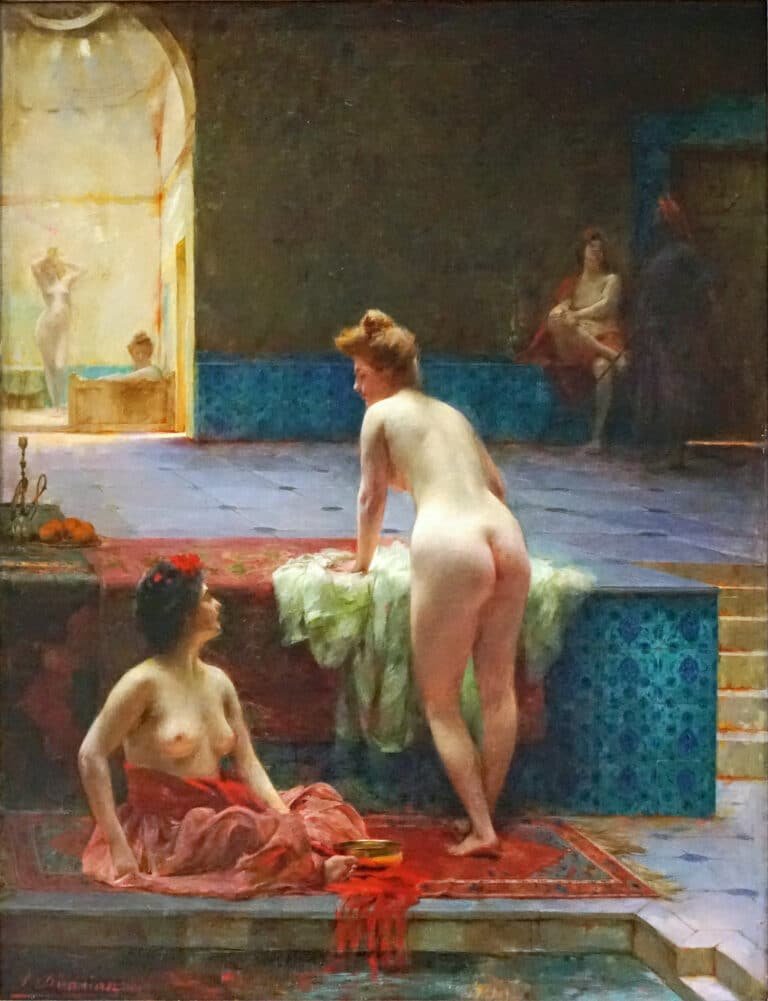
Why Did Hammam Bathing Spread Across the Islamic World?
The hammam was not invented from nothing by Islam. Muslim societies inherited older public-bath technologies and transformed them around purification, hygiene, social life and urban needs.
-
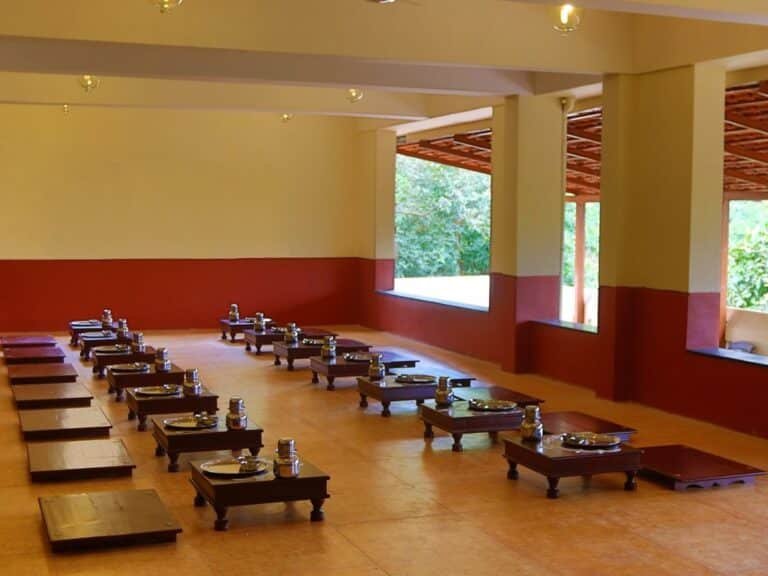
Why Did Indians Traditionally Sit on the Floor to Eat?
Indians traditionally ate close to the ground, but was the practice really designed to improve digestion? The evidence points more strongly to material culture, social custom and functional movement than…