 tradivior
Buddhist
Explore by topic, region and evidence
Investigations involving Buddhist beliefs, institutions and practices across distinct schools, regions and historical periods.
-
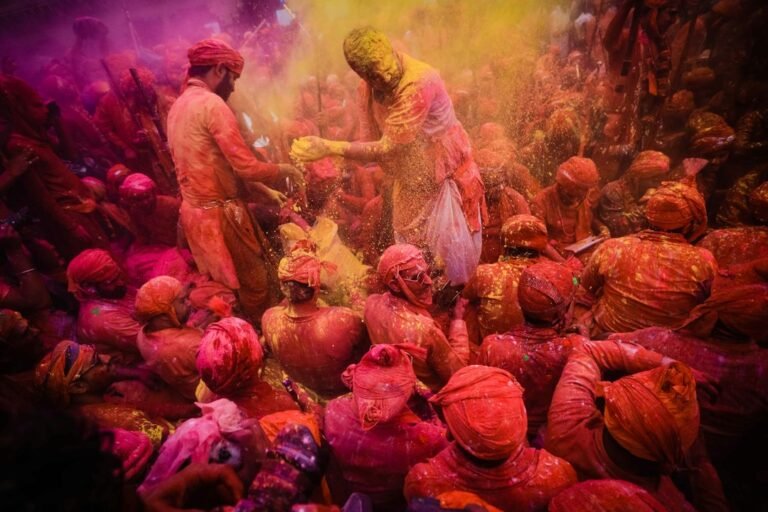
Why Do Cultures Give Ritual Meaning to Colour?
Ritual colour meanings arise from both shared human perception and learned cultural history. Cross-cultural research finds broad emotional regularities, but religion, material scarcity, language and ritual can give the same…
-
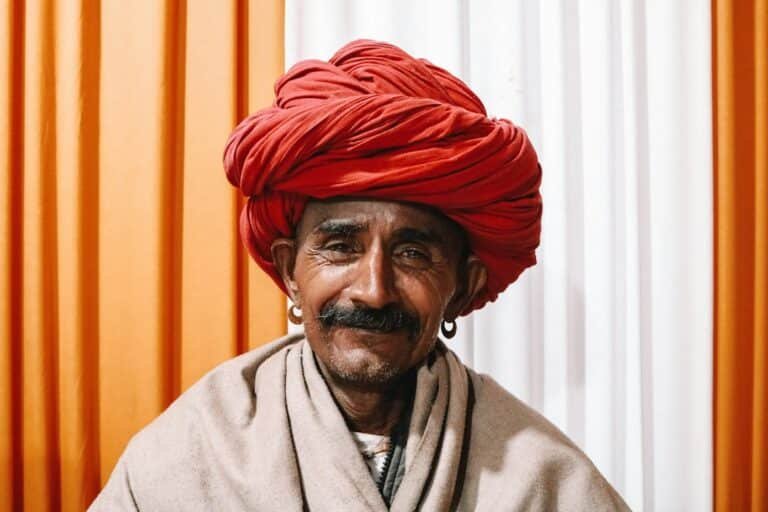
Why Did Humans Wear Jewellery?
Jewellery is one of humanity’s oldest symbolic technologies. Early shell beads predate agriculture by tens of thousands of years, and later ornaments communicate identity, status, alliance, devotion, wealth and memory.
-

Why Did Some Societies Separate Men and Women in Public and Ritual Life?
Gender-segregated spaces have served ritual order, modesty, status, labour, privacy and control of sexuality. Their modern consequences depend heavily on choice, equal access and whether separation is voluntary or coercive.
-
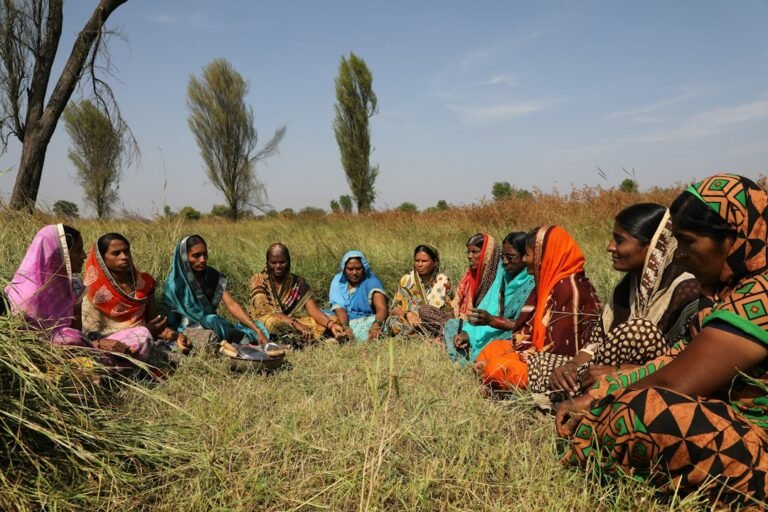
Why Do Elders Receive Special Deference?
Elders often gained deference because age accumulated knowledge, property, lineage authority and experience. Modern evidence supports the harms of ageism, but chronological age is not automatic proof of wisdom or…
-
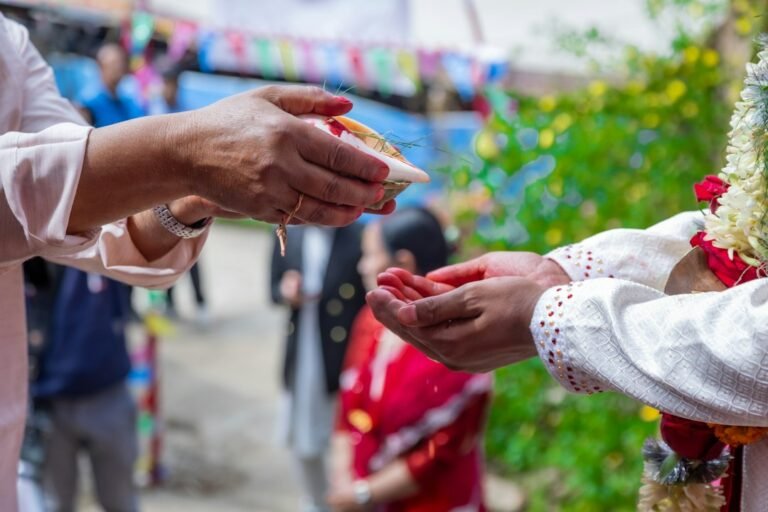
Why Do People Exchange Gifts?
Gift exchange binds people through reciprocity, alliance, prestige, obligation and memory. Modern research also suggests giving can improve well-being under some conditions, but gifts are not simply altruism or disguised…
-
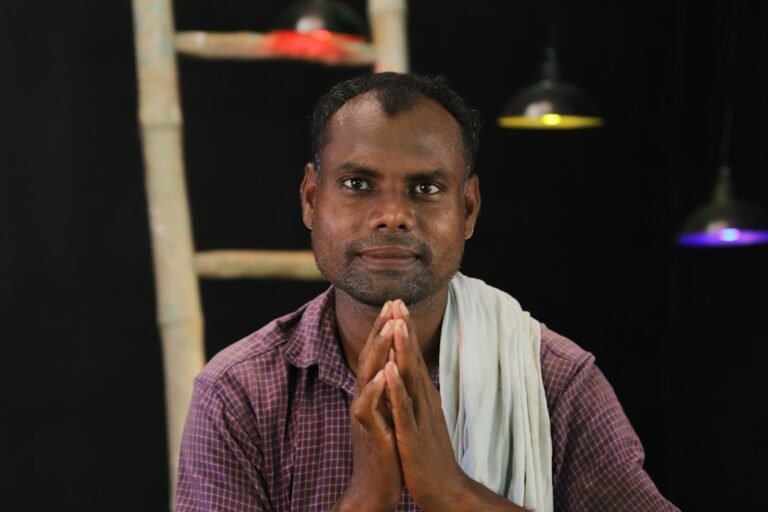
Why Did Namaste Become a Gesture of Respect in India?
Namaste combines an ancient Sanskrit salutation with the joined-hand añjali gesture. Its historical strength is social and religious respect; its contact-free form has a real modern hygiene advantage without proving…
-
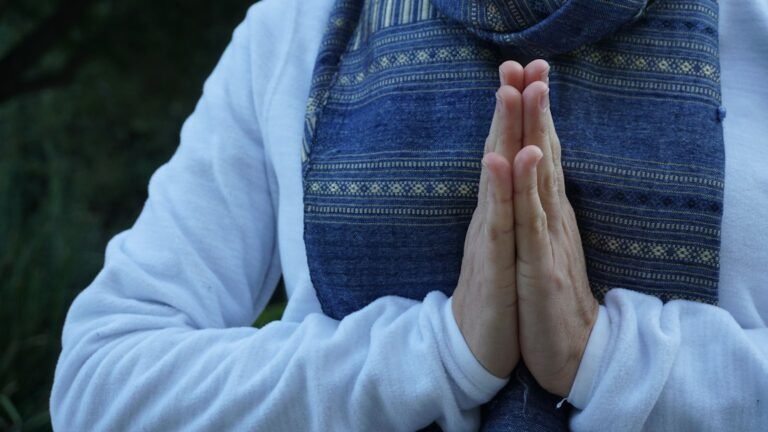
Why Do Humans Bow, Fold Hands, Kiss or Shake Hands in Greeting?
Bows, joined hands, kisses and handshakes look different, but all make social intent legible quickly. Greeting rituals signal respect, familiarity, rank and peaceful intent while reducing uncertainty at the start…
-
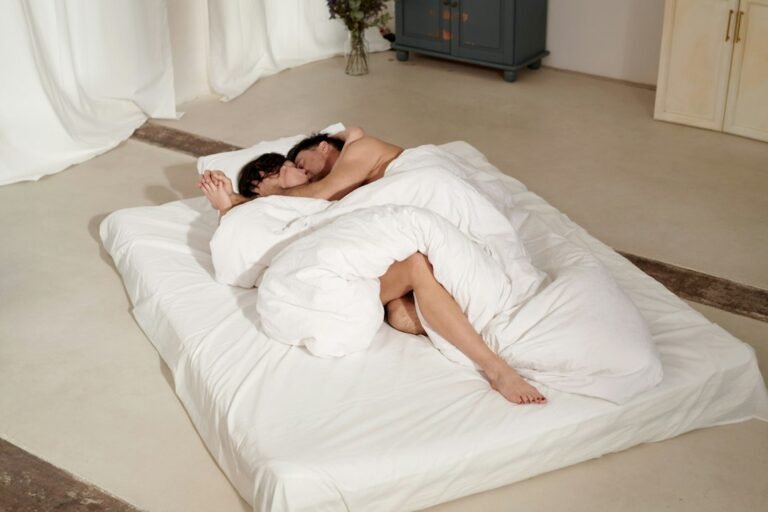
Why Did People Sleep on Mats, Floors and Low Beds?
Mats, futons, low beds and woven cots made sense for climate, portability and flexible household space. Modern evidence shows that very hard surfaces are not universally better for the back.
-
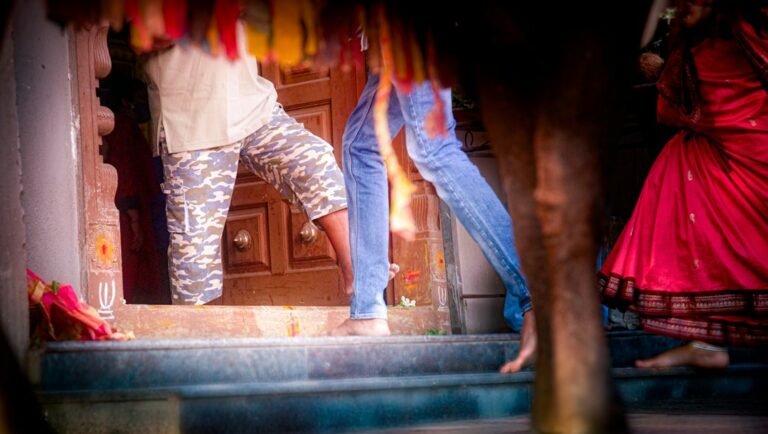
Why Do People Remove Shoes Before Entering a Home?
Removing outdoor shoes before entering a home reflects floor-based living, architecture, cleanliness, sacred respect and etiquette. Modern evidence confirms reduced tracking of microbes and particles without proving that indoor shoes…
-
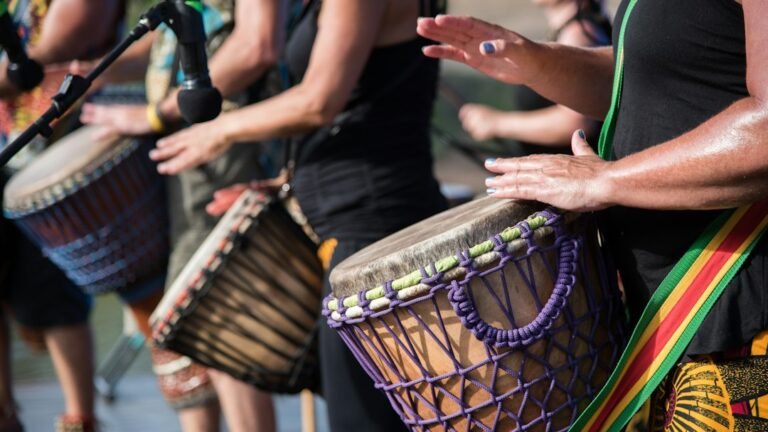
Why Do Humans Seek Trance and Altered States?
Humans across cultures deliberately alter consciousness through rhythm, movement, breath, deprivation, meditation and psychoactive substances. Science explains many induction mechanisms while leaving cultural and metaphysical interpretations distinct.
-

Why Do Traditions Try to Quiet the Sense of Self?
Buddhist not-self, Advaita nonduality, Sufi fanāʾ and Christian self-emptying all reduce ordinary self-reference in different ways. Modern science supports flexible self-processing without proving any one religious metaphysics.
-
Why Do Rituals Use Visualization and Mental Imagery?
Sacred visualization has long been used in Buddhist, Hindu and Christian contemplative practice. Modern science shows that imagery can influence attention, emotion and motor rehearsal—without supporting claims that thought alone…