 tradivior
Buddhist
Explore by topic, region and evidence
Investigations involving Buddhist beliefs, institutions and practices across distinct schools, regions and historical periods.
-
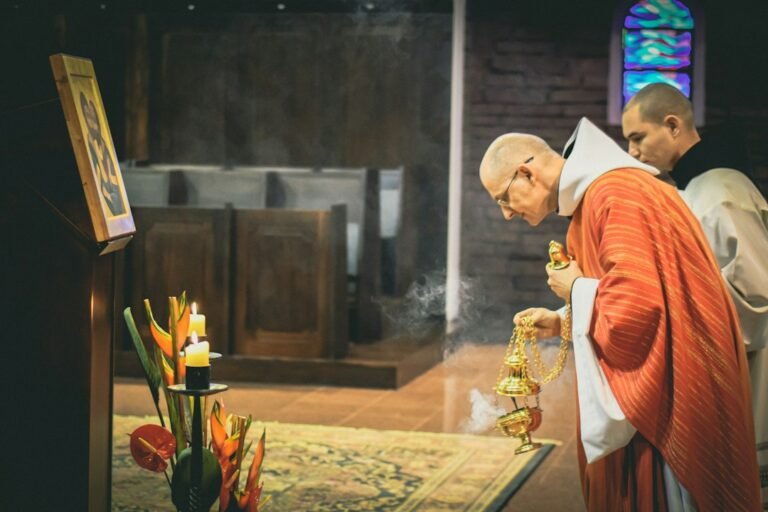
Why Do Monastics Keep Vigils and Stay Awake at Night?
Religious vigils transform wakefulness into prayer, study and sacrifice. Sleep science explains why nights can feel intense while showing that lost sleep generally impairs attention and memory rather than enhancing…
-

Why Do Traditions Treat Dreams as Messages?
Dreams have served as omens, healing signs, philosophical evidence and sources of authority across civilizations. Modern science supports links to memory and emotion, but not a universal symbolic code or…
-
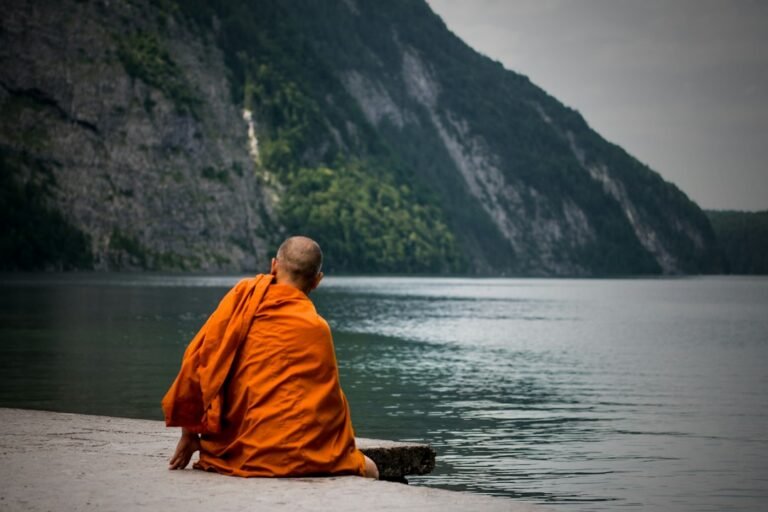
Why Do Humans Seek Solitude for Insight?
Solitude has served prayer, meditation, ascetic discipline and reflection across cultures. Modern evidence supports benefits when aloneness is chosen and meaningful, while loneliness and imposed isolation are fundamentally different states.
-
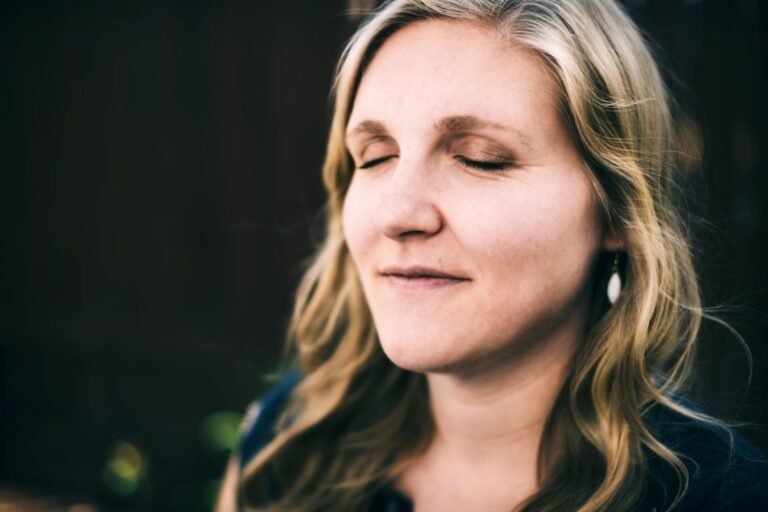
Why Do People Close Their Eyes During Prayer and Meditation?
Closing the eyes can reduce visual distraction and support imagery or inward attention, but prayer and meditation traditions also use open or lowered gaze. The science supports a flexible attentional…
-
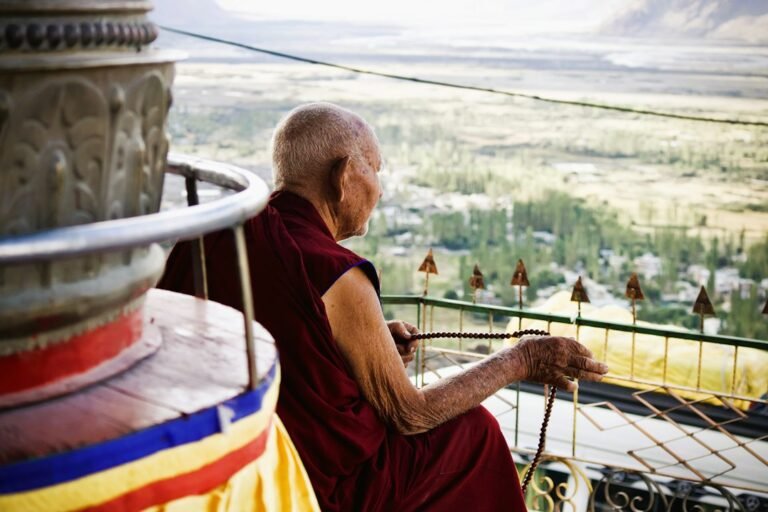
Why Do Buddhists Observe the Breath?
Ānāpānasati uses natural breathing as a field for mindfulness, concentration and insight. Modern research supports effects on attention, mind-wandering and interoception, while Buddhist claims of awakening remain outside ordinary laboratory…
-
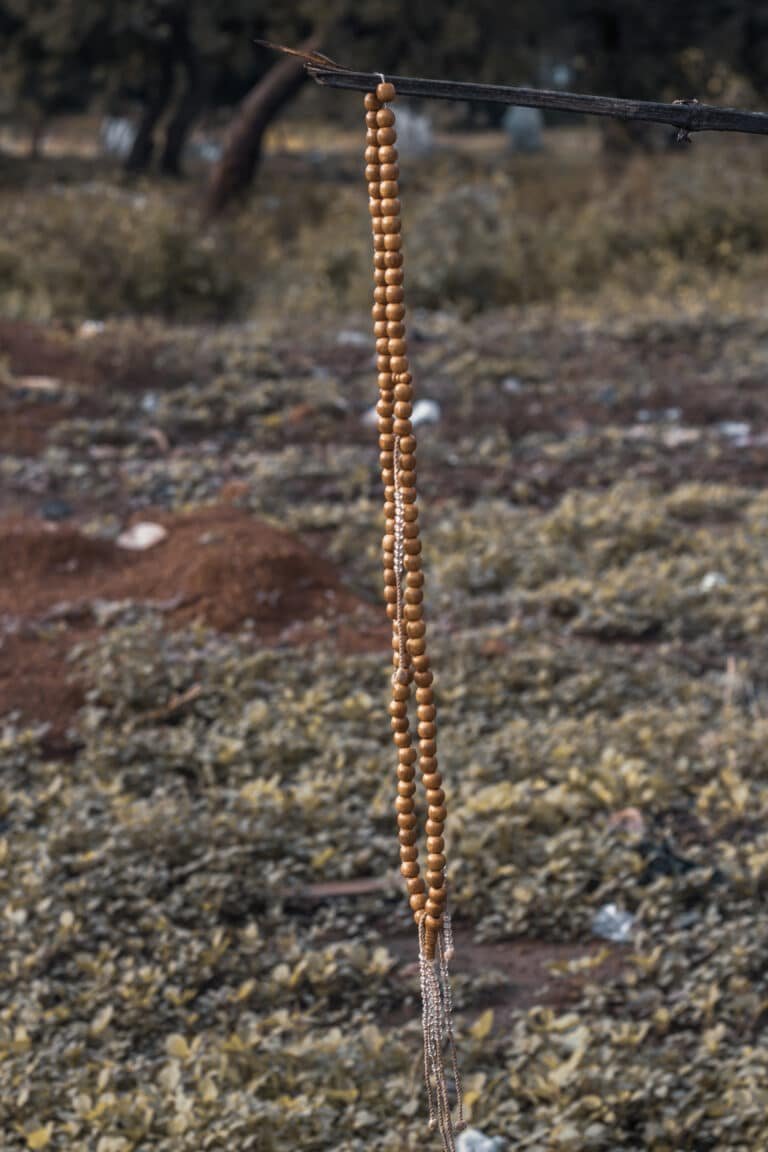
Why Do Religions Use Prayer Beads?
Mala, rosary, misbaha and other prayer beads turn repetition into something the hands can count. Tradivior will trace their histories across religions and test whether tactile counting changes attention, memory…
-
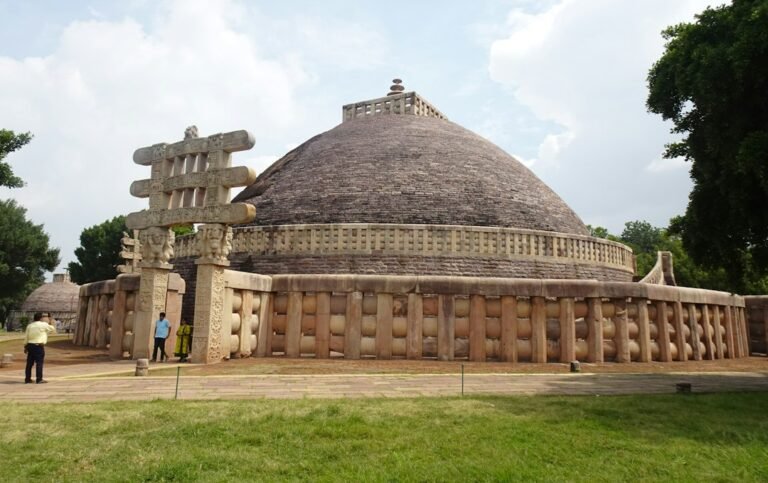
Why Do Devotees Circumambulate Sacred Places?
Walking around a shrine, temple, stupa, sacred mountain or holy object appears in many traditions. Tradivior will investigate why movement around a centre became sacred, how direction matters, and whether…
-
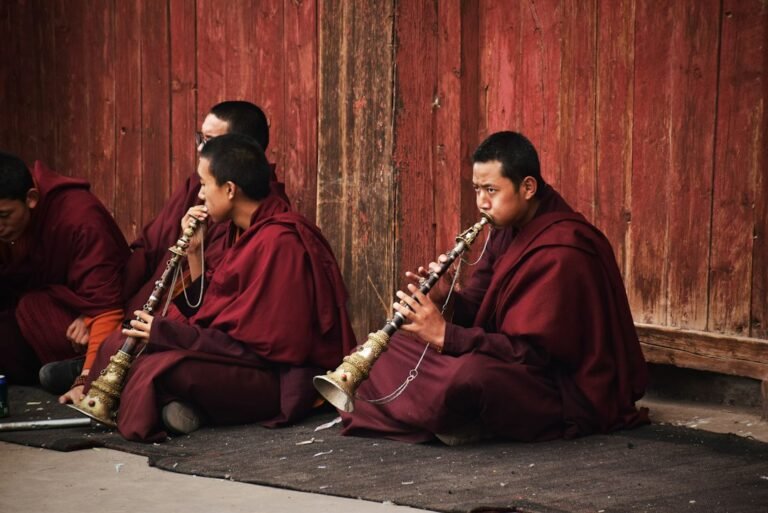
Why Do Buddhists Make Prostrations?
Prostration appears across Buddhist traditions as reverence, training and deliberate lowering of the self. Tradivior will compare its meanings across regions and ask what repetitive full-body ritual may do to…
-

Why Do Humans Pray?
Prayer appears in radically different religious traditions as petition, praise, confession, gratitude, remembrance and disciplined attention. Tradivior will investigate what prayer has historically meant, what psychology and neuroscience can actually…