 tradivior
Hindu
Explore by topic, region and evidence
Investigations involving Hindu traditions, texts, rituals, philosophies and living practices, without treating Hinduism as internally uniform.
-

Why Do Traditions Try to Quiet the Sense of Self?
Buddhist not-self, Advaita nonduality, Sufi fanāʾ and Christian self-emptying all reduce ordinary self-reference in different ways. Modern science supports flexible self-processing without proving any one religious metaphysics.
-
Why Do Rituals Use Visualization and Mental Imagery?
Sacred visualization has long been used in Buddhist, Hindu and Christian contemplative practice. Modern science shows that imagery can influence attention, emotion and motor rehearsal—without supporting claims that thought alone…
-
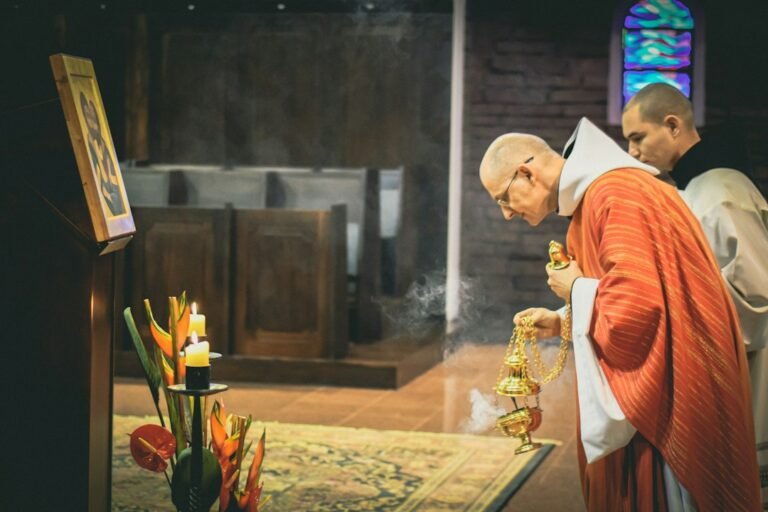
Why Do Monastics Keep Vigils and Stay Awake at Night?
Religious vigils transform wakefulness into prayer, study and sacrifice. Sleep science explains why nights can feel intense while showing that lost sleep generally impairs attention and memory rather than enhancing…
-

Why Do Traditions Treat Dreams as Messages?
Dreams have served as omens, healing signs, philosophical evidence and sources of authority across civilizations. Modern science supports links to memory and emotion, but not a universal symbolic code or…
-
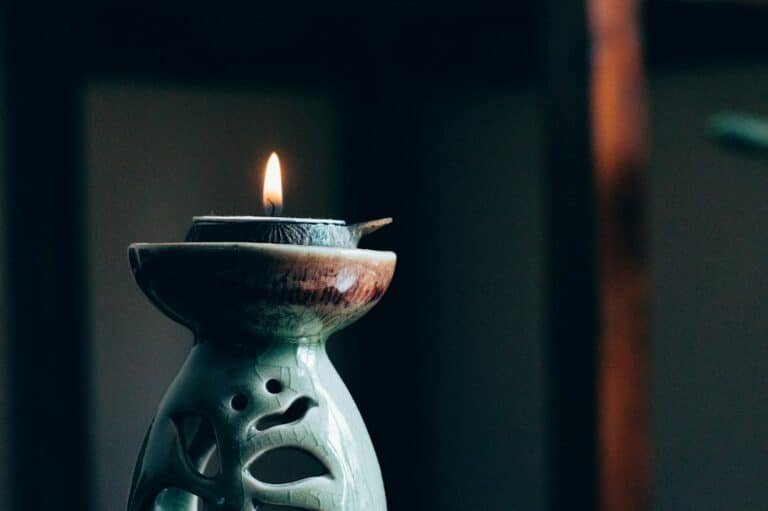
Why Did Yogic Traditions Practice Trataka Candle Gazing?
Trataka is a classical yogic gazing practice often taught with a candle flame. Research suggests plausible attention and selected visual benefits, but broad eye-healing and third-eye claims exceed the evidence.
-
Why Do Humans Seek Solitude for Insight?
Solitude has served prayer, meditation, ascetic discipline and reflection across cultures. Modern evidence supports benefits when aloneness is chosen and meaningful, while loneliness and imposed isolation are fundamentally different states.
-
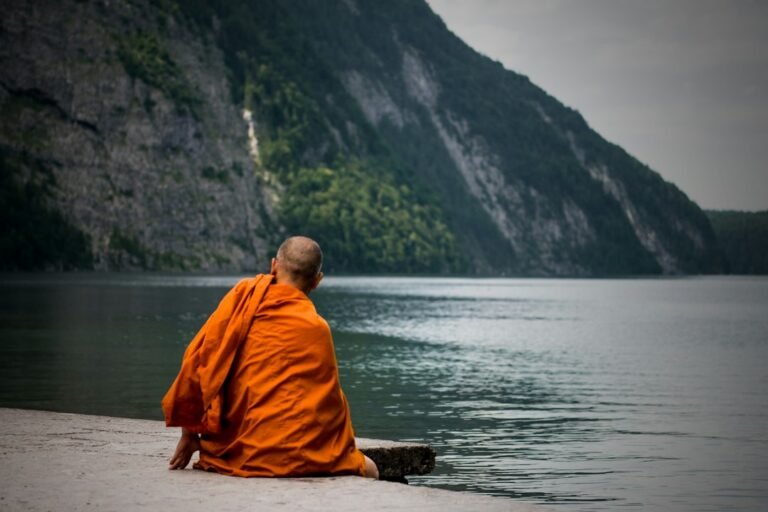
Why Do Traditions Use Silence as a Discipline?
Silence became a discipline across Jain, Buddhist, Hindu and Christian traditions for restraint, contemplation and protection from distraction. Modern psychology supports plausible attentional mechanisms, but retreat benefits cannot be attributed…
-
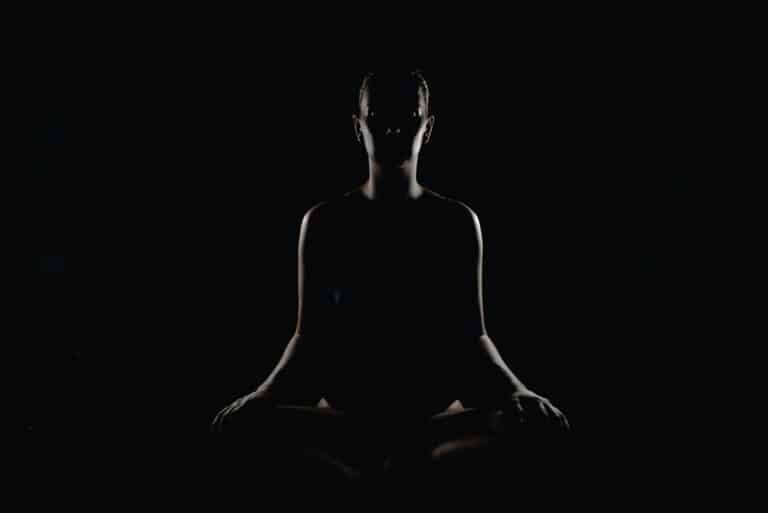
Why Do Humans Meditate?
Meditation is not one technique but a family of practices that train attention, awareness, emotion and meaning in very different ways. Tradivior will compare traditions, trace their historical goals and…
-

Why Did Indian Traditions Develop Pranayama?
Pranayama evolved through classical and medieval Indian yoga as a discipline of breath, attention and vital-force regulation. Modern evidence supports real autonomic and cardiovascular effects for some techniques, while broad…
-
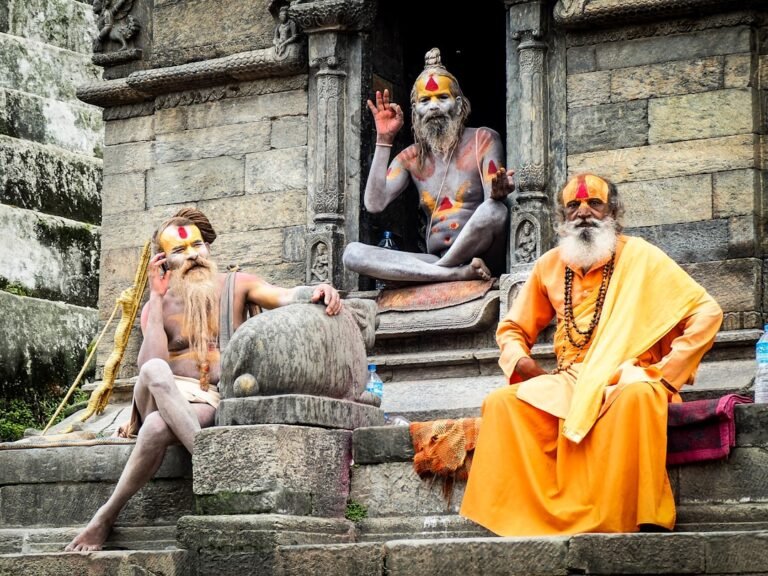
Why Do Ascetics Renounce Comfort?
Fasting, celibacy, silence, poverty, solitude and bodily discipline recur in ascetic traditions worldwide. Tradivior will ask why voluntarily giving up comfort became spiritually powerful and whether psychology and physiology explain…
-

Why Do Pilgrimages Appear Across Religions?
Humans repeatedly turn belief into journeys toward places made sacred by memory, revelation, relics or landscape. Tradivior will compare pilgrimage across religions and examine endurance, liminality, social bonding and place…
-

Why Do Religions Use Prayer Beads?
Mala, rosary, misbaha and other prayer beads turn repetition into something the hands can count. Tradivior will trace their histories across religions and test whether tactile counting changes attention, memory…