 tradivior
India
Explore by topic, region and evidence
Investigations into Indian traditions across regions, communities and periods, avoiding the assumption that India represents one uniform cultural system.
-
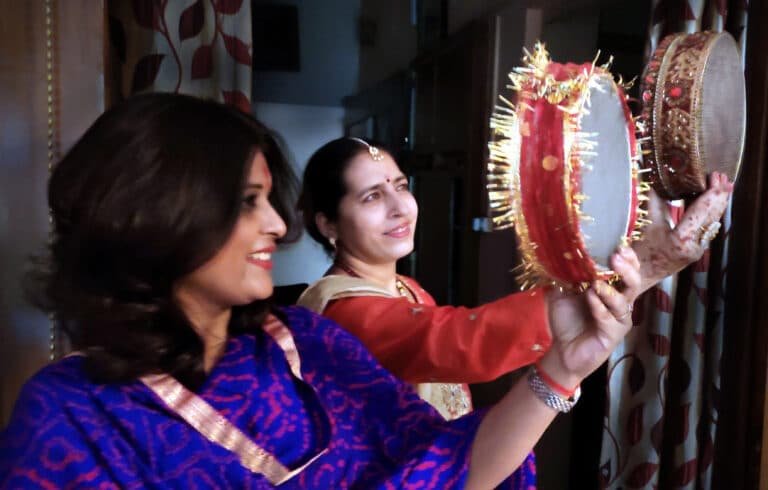
Why Did Indians Fast on Particular Days?
Why do Indian fasts fall on particular lunar dates, weekdays and festivals? The historical record points to vows and sacred calendars; modern fasting science reveals real metabolic effects—but not the…
-

Why Was Daily Oil Massage Part of Ayurvedic Life?
Ayurveda made oil massage part of daily life. Modern evidence supports some modest relaxation and skin-care effects—but not the sweeping detoxification and disease-prevention claims often attached to abhyanga.
-
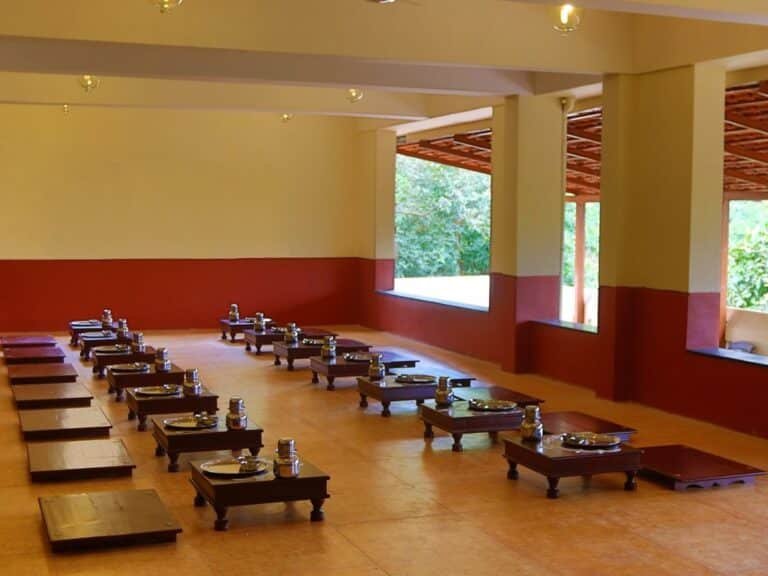
Why Did Indians Traditionally Sit on the Floor to Eat?
Indians traditionally ate close to the ground, but was the practice really designed to improve digestion? The evidence points more strongly to material culture, social custom and functional movement than…
-
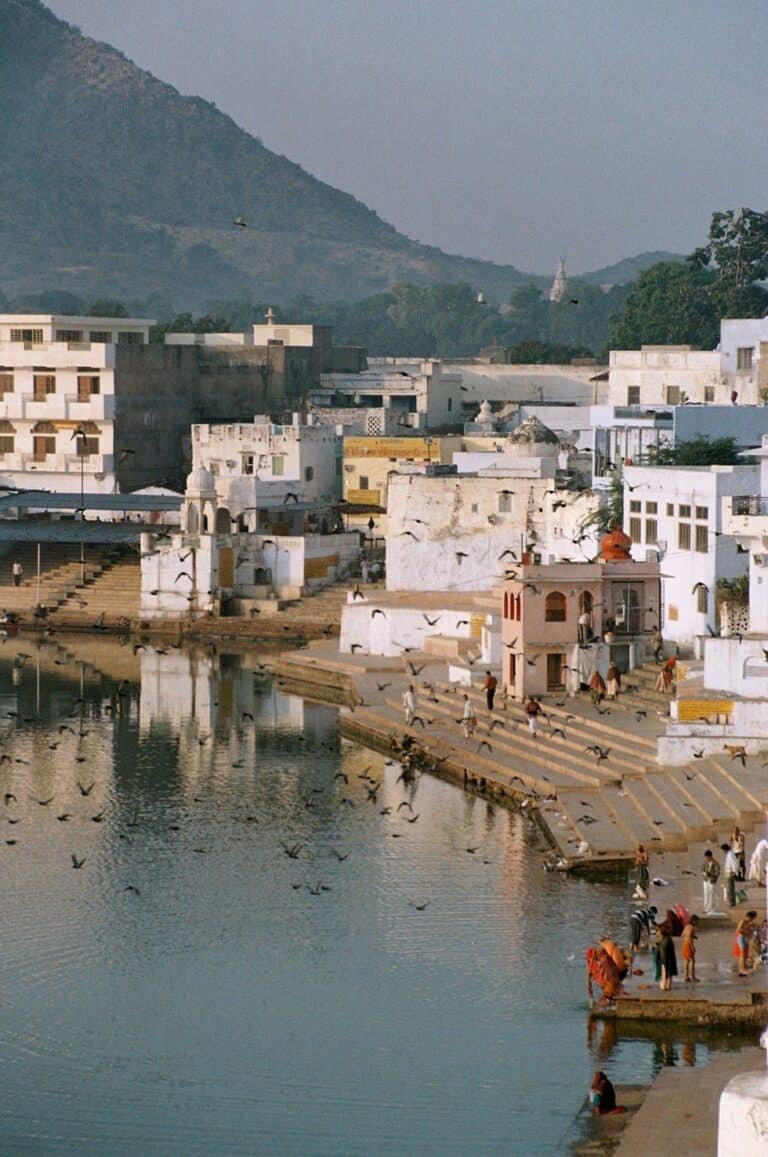
Why Did Bathing Become a Daily Ritual in India?
Why did bathing become woven into Indian daily life? The answer runs through hygiene, climate, ritual purity and sacred water—and cannot be reduced to ancient germ theory.
-
Why Did Ancient Indians Scrape Their Tongues?
Tongue scraping is an old Indian oral-care practice with a surprisingly straightforward modern rationale. What do systematic reviews actually say about tongue coating, bad breath and the limits of the…
-
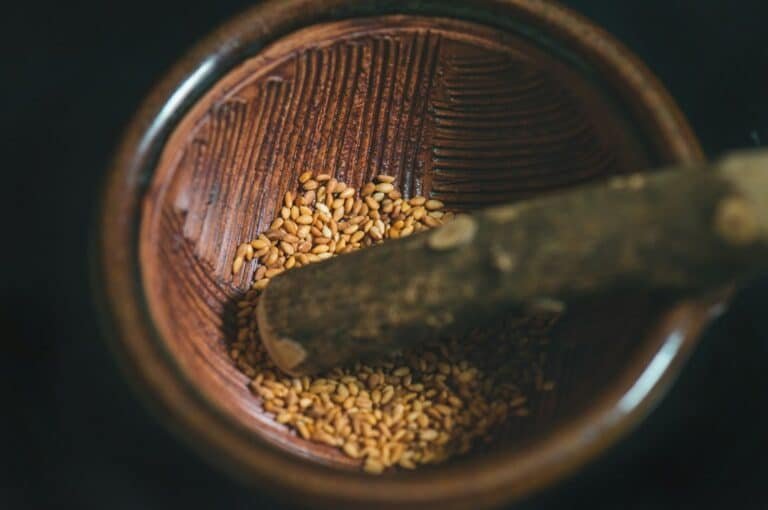
Why Did Indians Practice Oil Pulling?
Oil pulling is genuinely rooted in Ayurvedic oral care. But do modern claims about plaque, bacteria and detoxification match the evidence? Tradivior follows the practice from classical tradition to clinical…
-

Why Do Festivals Move Through the Lunar Calendar?
Religious festivals move on the Gregorian calendar because many remain anchored to lunar or lunisolar systems. Pure lunar calendars drift through the seasons, while lunisolar calendars insert leap months to…
-

Why Did Indian Calendars Track Both Sun and Moon?
Indian lunisolar calendars track both Moon and Sun because twelve lunar months are about eleven days shorter than the solar year. Intercalation, tithi and later astronomical calculations reconcile visible lunar…
-
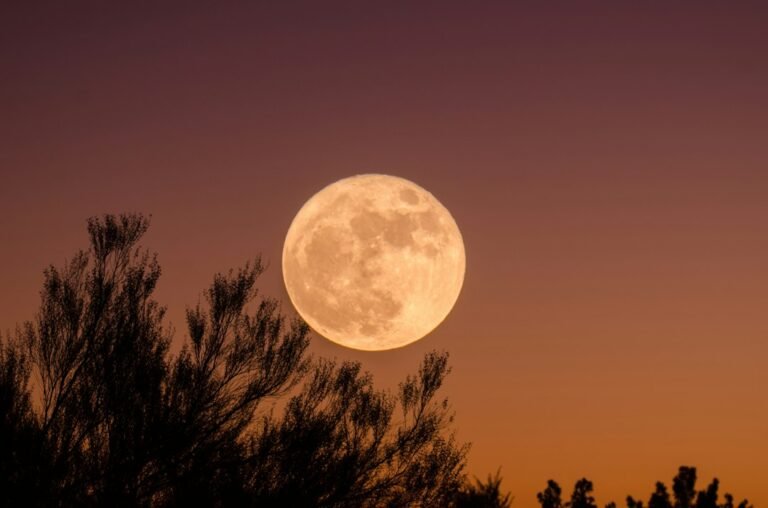
Why Did Humans Watch the Moon So Closely?
Humans watched the Moon because it was genuinely useful: a visible calendar, source of night illumination, tidal marker and ecological cue. Modern science strongly supports those functions while rejecting many…
-
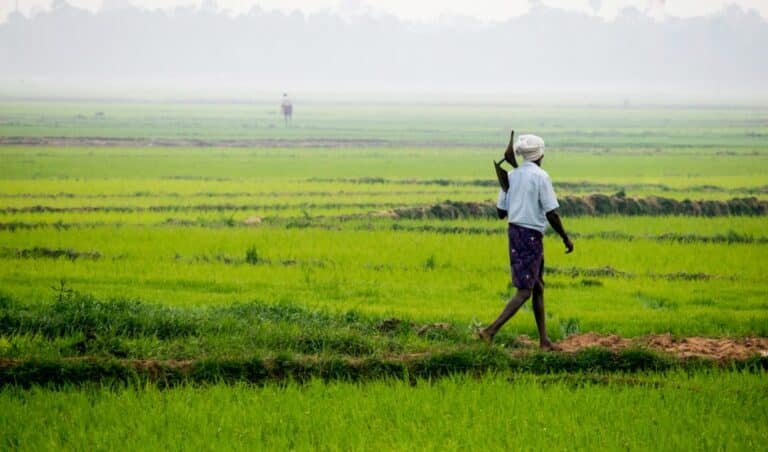
Why Did Traditional Farmers Read Birds, Insects and Plants as Weather Signs?
Traditional farmers read birds, insects, plants, clouds and winds because many respond to real environmental change. Some local signs are useful, but accuracy varies and climate change can weaken old…
-
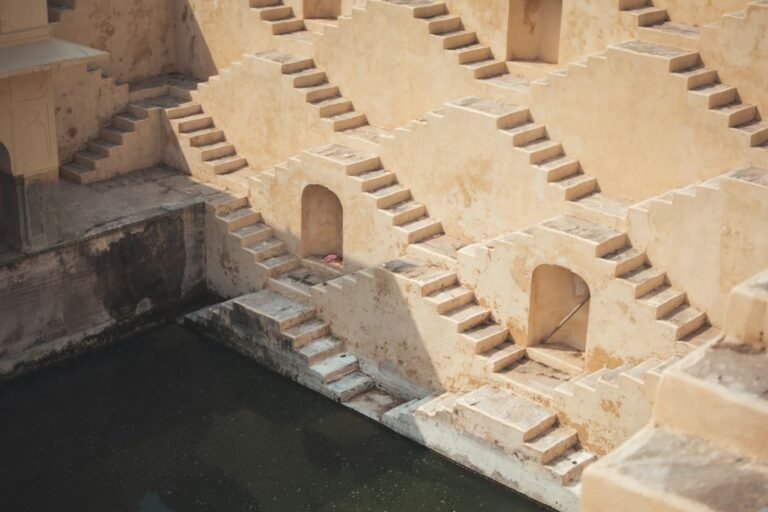
Why Did Communities Protect Water Sources Through Ritual Rules?
Ritual rules can protect springs, wells and tanks by preserving catchments, restricting contamination and coordinating maintenance. Their ecological value is real, but purity rules have also sometimes enforced unequal access.
-
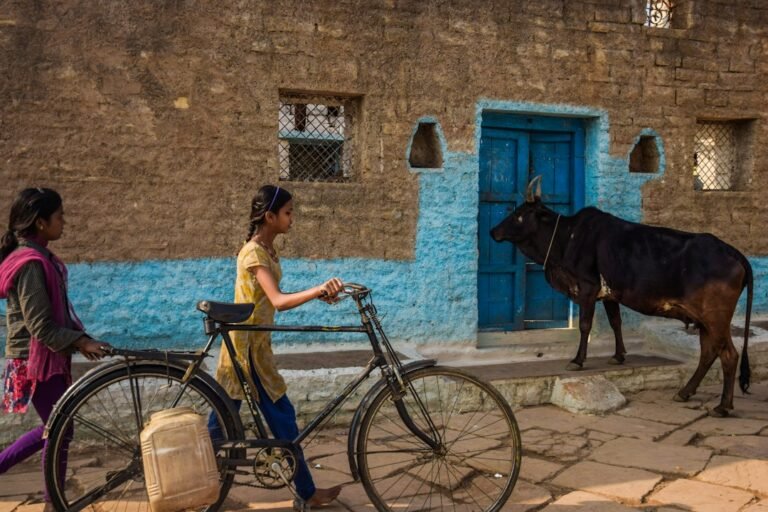
Why Is the Cow Sacred in India?
The sacred cow developed through layers of cattle economics, ahiṃsā, dairy and ritual, Krishna devotion and later cow-protection politics. No single ecological or theological theory explains the full history.