Tradiviorans ClubQuestions, polls, reading DNA and your curiosity circle.Join the Club →Log in →Reading remains free without an account.
EXPLORE
PARTICIPATE
YOUR SPACE
Follow a question. Examine the evidence.
Explore investigations
Search customs, ideas and practices, or combine filters to follow a connection across cultures. Evidence assessments describe editorial conclusions, not scores or rankings.
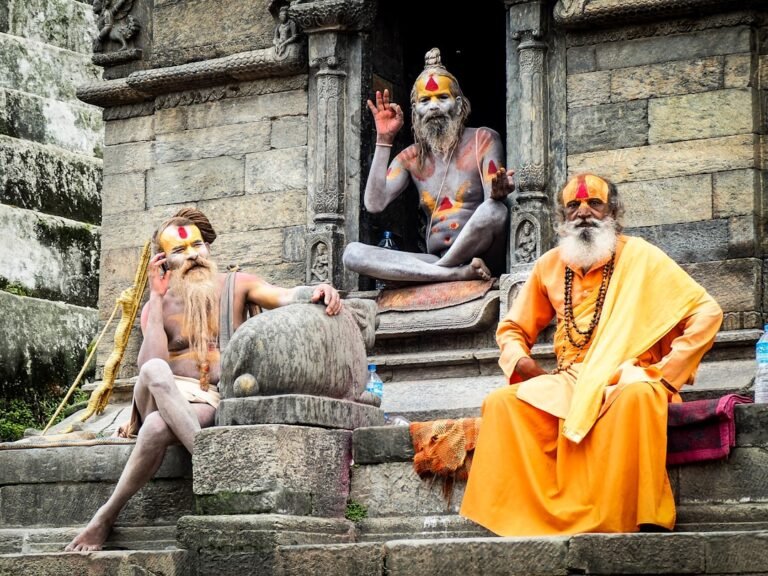
Fasting, celibacy, silence, poverty, solitude and bodily discipline recur in ascetic traditions worldwide. Tradivior will ask why voluntarily giving up comfort became spiritually powerful and whether psychology and physiology explain…
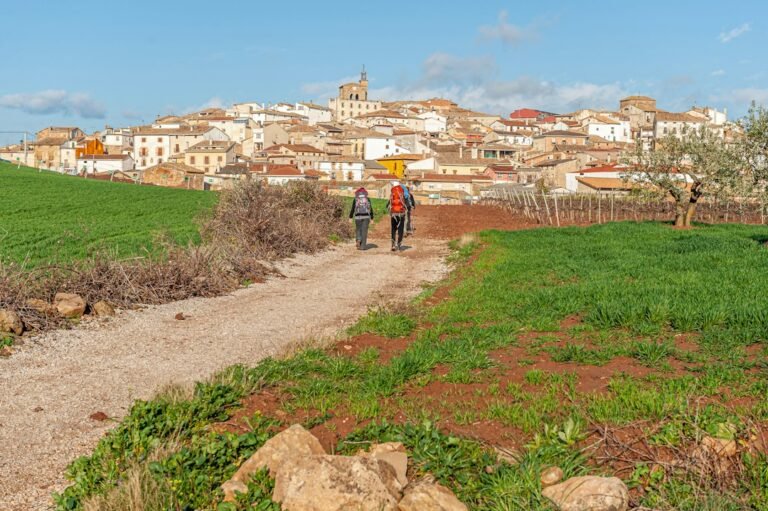
Humans repeatedly turn belief into journeys toward places made sacred by memory, revelation, relics or landscape. Tradivior will compare pilgrimage across religions and examine endurance, liminality, social bonding and place…
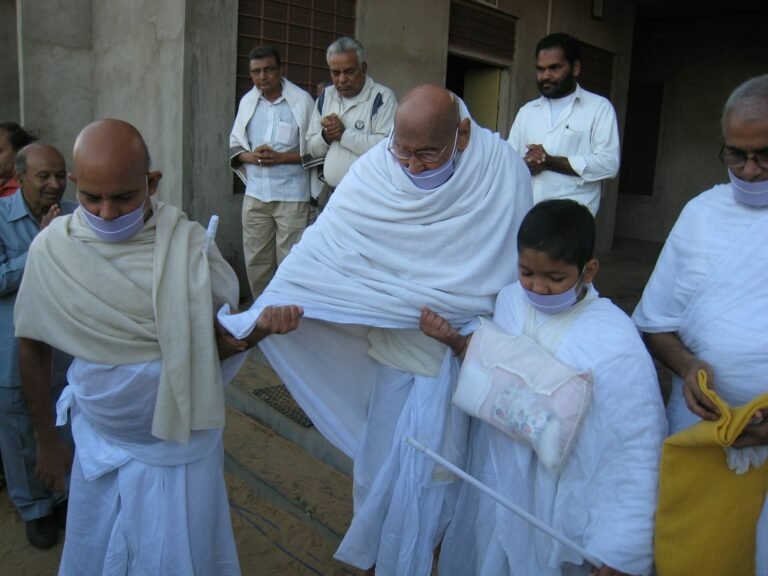
The small broom carried by some Jain monastics is not a primitive hygiene tool but an ethical technology of non-violence. Tradivior will investigate its textual and monastic history, ecological assumptions…
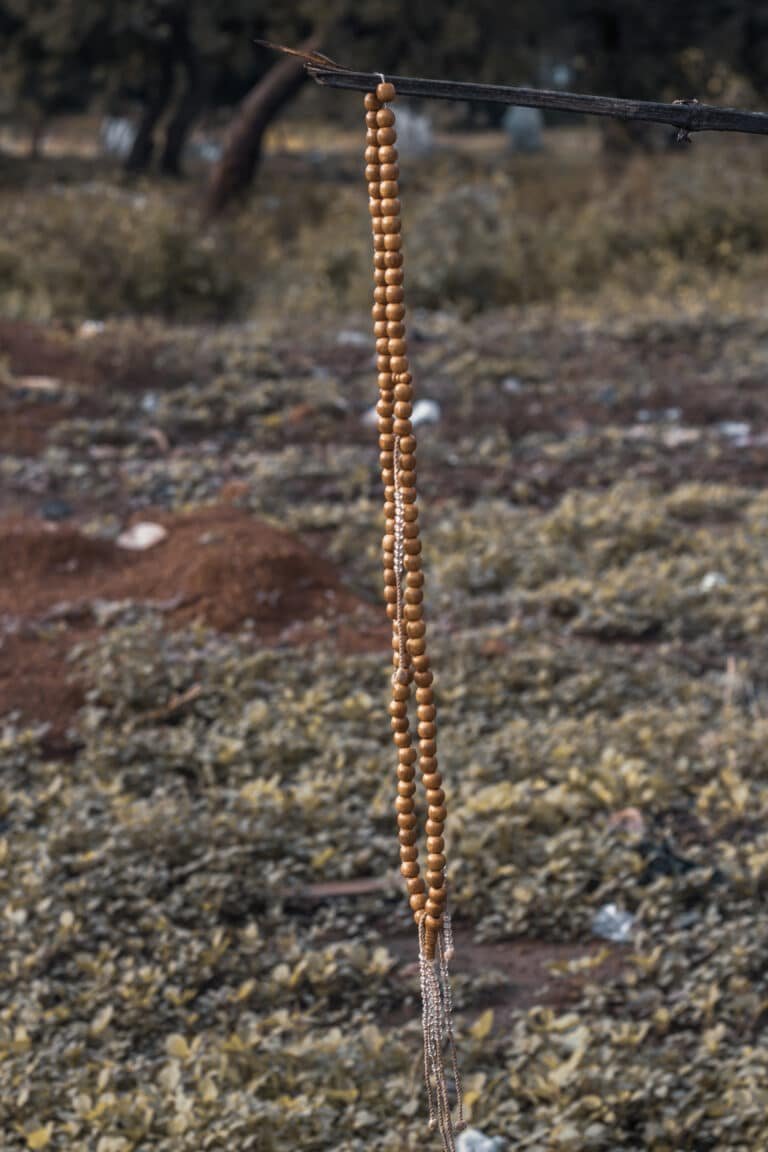
Mala, rosary, misbaha and other prayer beads turn repetition into something the hands can count. Tradivior will trace their histories across religions and test whether tactile counting changes attention, memory…
Touching the feet of elders and gurus is often described today using sweeping claims about energy or nerves. Tradivior will separate those modern explanations from the practice's historical logic of…
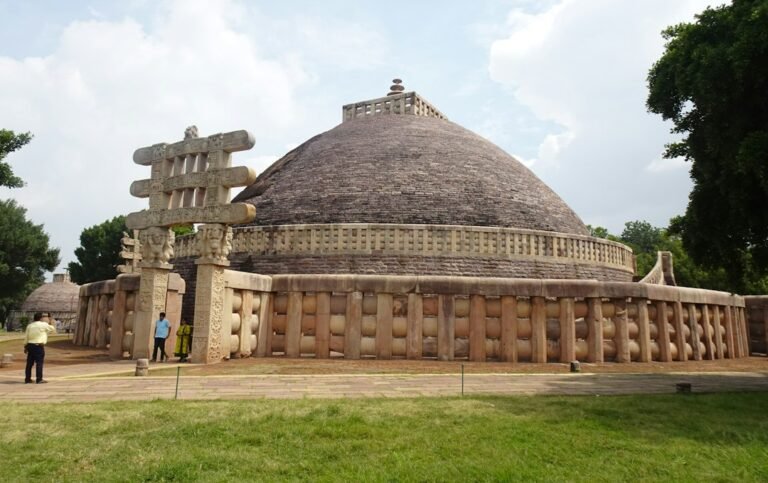
Walking around a shrine, temple, stupa, sacred mountain or holy object appears in many traditions. Tradivior will investigate why movement around a centre became sacred, how direction matters, and whether…
Prostration appears across Buddhist traditions as reverence, training and deliberate lowering of the self. Tradivior will compare its meanings across regions and ask what repetitive full-body ritual may do to…
In Sikh practice, bowing before the Guru Granth Sahib expresses reverence toward the Guru embodied in scripture. Tradivior will investigate the history of this relationship and what embodied deference does…
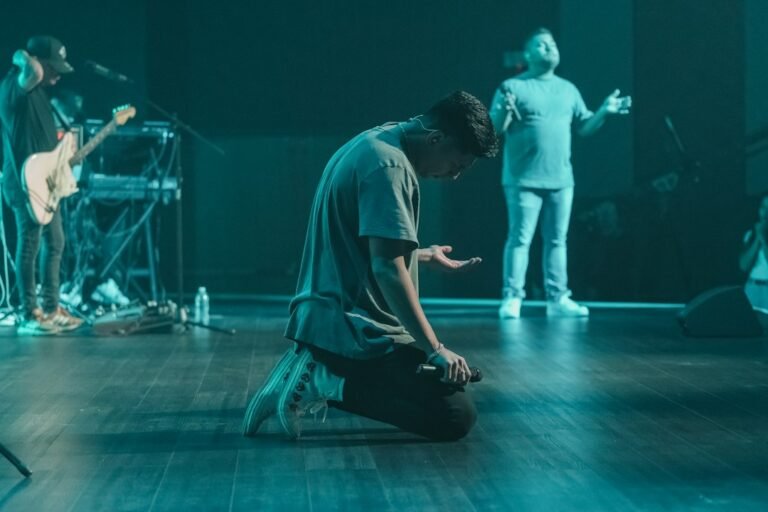
Christian worship has long used posture and gesture to make belief visible in the body. Tradivior will examine how kneeling, standing and the sign of the cross developed across churches,…
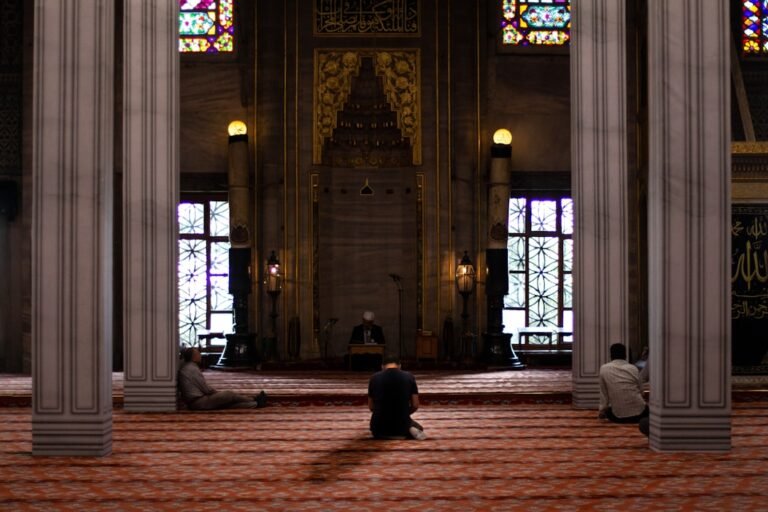
Five daily prayers structure Muslim time around repeated orientation, recitation and bodily movement. Tradivior will investigate the historical and theological logic of fixed prayer times, then ask what repeated daily…
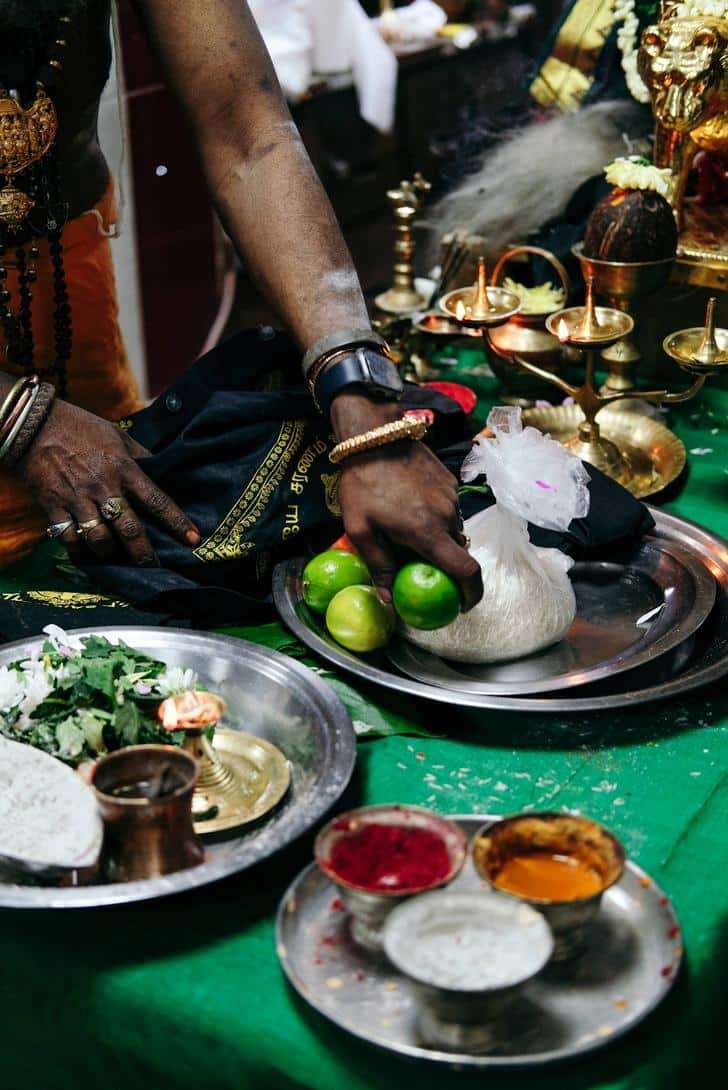
Puja brings together light, water, scent, food, touch and gesture in a highly structured act of worship. Tradivior will trace how these offerings developed, what they mean within Hindu traditions,…
Prayer appears in radically different religious traditions as petition, praise, confession, gratitude, remembrance and disciplined attention. Tradivior will investigate what prayer has historically meant, what psychology and neuroscience can actually…
 tradivior