Tradiviorans ClubQuestions, polls, reading DNA and your curiosity circle.Join the Club →Log in →Reading remains free without an account.
EXPLORE
PARTICIPATE
YOUR SPACE
Follow a question. Examine the evidence.
Explore investigations
Search customs, ideas and practices, or combine filters to follow a connection across cultures. Evidence assessments describe editorial conclusions, not scores or rankings.
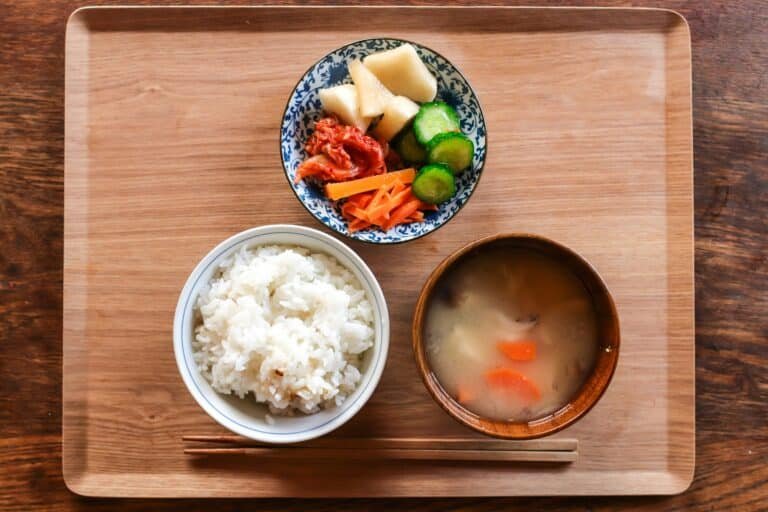
Traditional Japanese diets combined rice with vegetables, fish, soy foods, seaweeds, fermented products and many small side dishes. Cohort evidence links Japanese-style dietary patterns with lower cardiovascular mortality, but high…
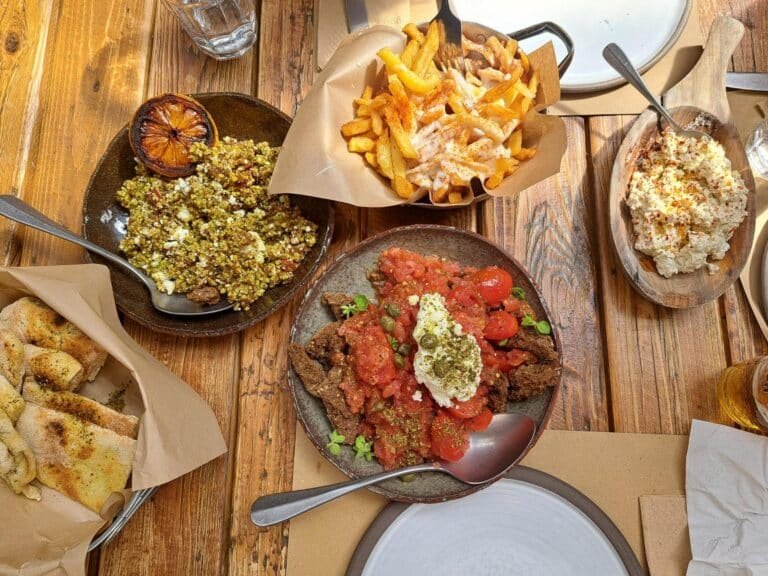
The Mediterranean diet emerged from ecology, agriculture, scarcity, religion and cuisine—not from a single ancient health prescription. Modern evidence, including the reanalysed PREDIMED trial and prospective cohorts, supports cardiovascular benefits…
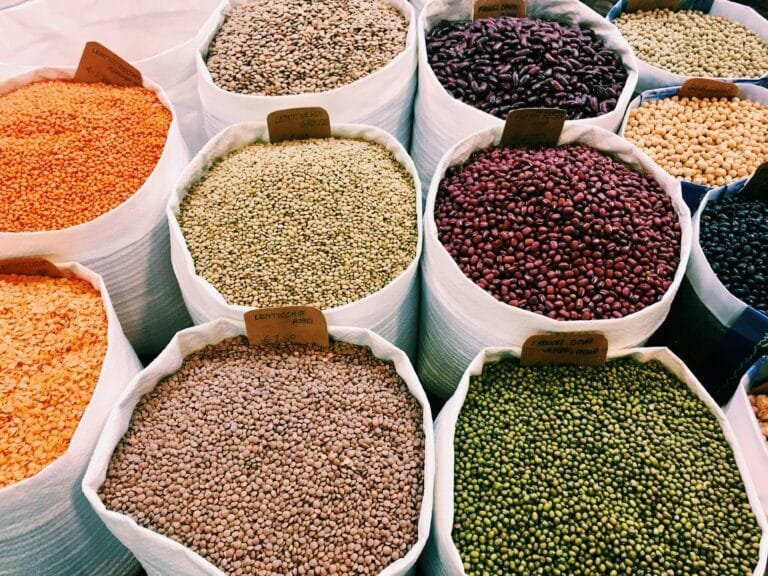
Grain–pulse pairings such as rice and dal, maize and beans, or bread and lentils recur because they combine affordable staple energy with protein, fibre and complementary amino-acid profiles. The nutritional…
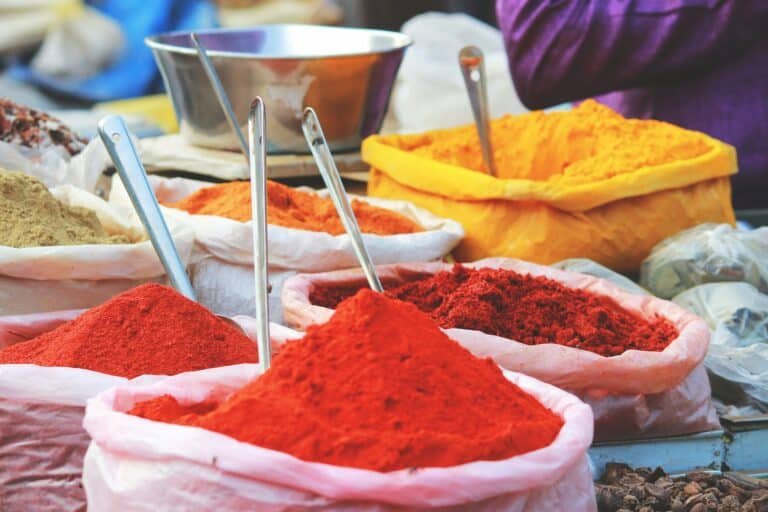
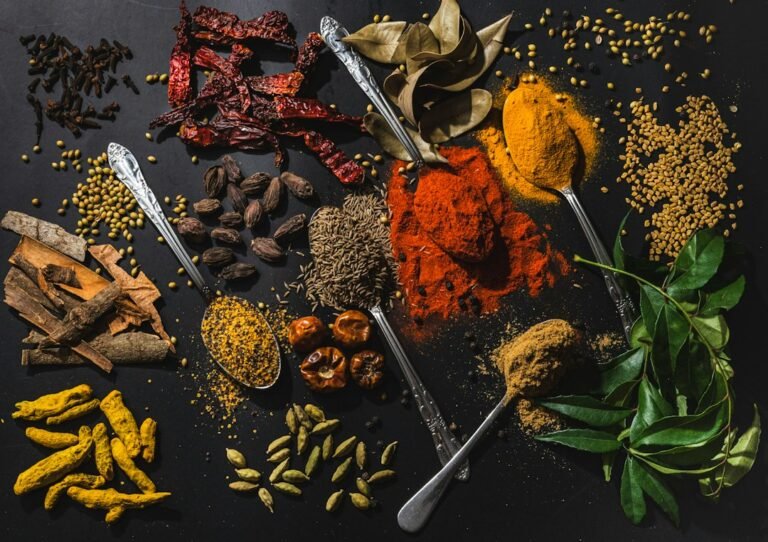
Spice mixtures create real chemical and sensory interactions, and some combinations can alter antimicrobial activity or bioavailability. But synergy is specific to the ingredients, dose and outcome; traditional masalas should…
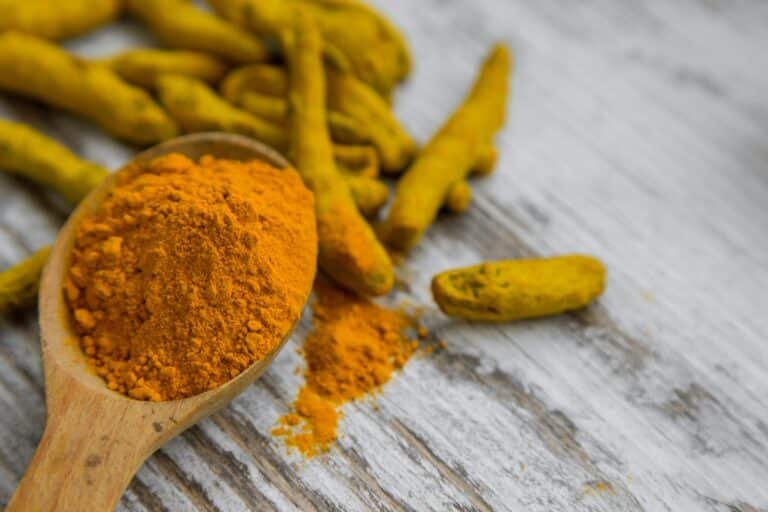
Turmeric earned culinary, medicinal and ritual roles in South Asia long before curcumin was isolated. Modern trials show effects from concentrated turmeric/curcumin supplements for some outcomes, but bioavailability is low…
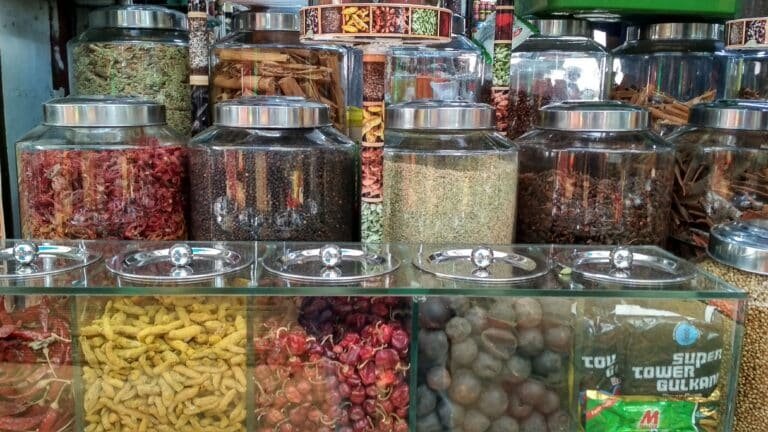
Indian spice use is ancient, culinary and economically important. Many spices have antimicrobial and bioactive compounds, but flavour, trade, agriculture and cuisine explain their centrality better than any single health…
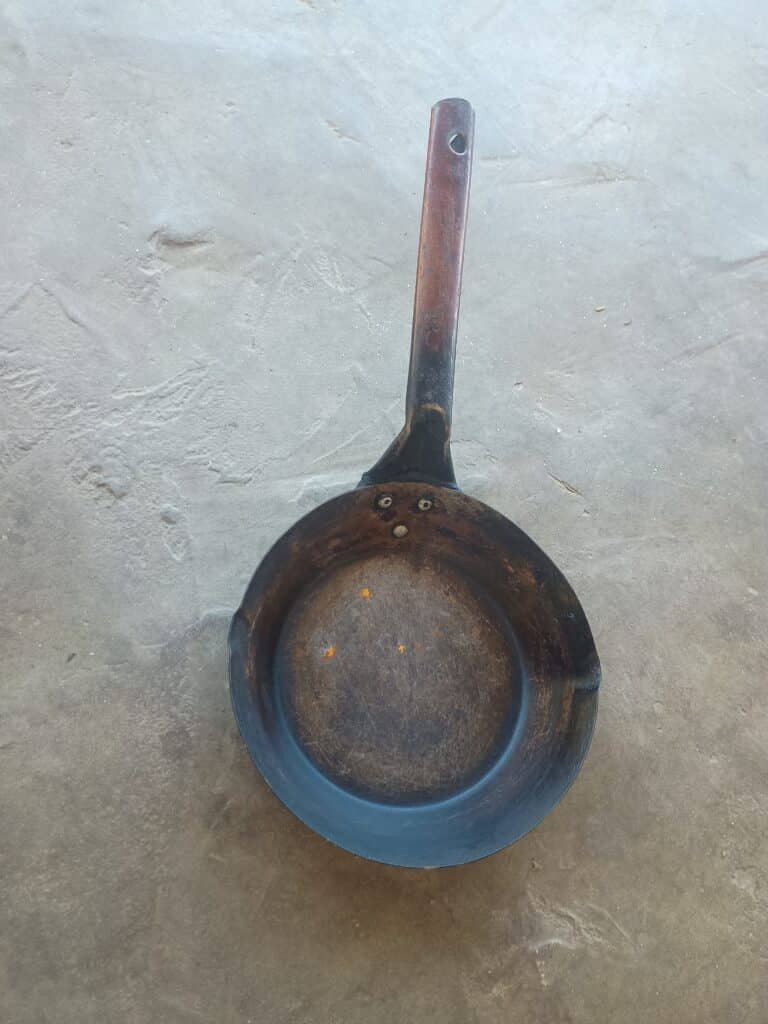
Iron cookware can transfer nutritionally meaningful iron into food, especially with acidic, moist and longer-cooked dishes. Human trials suggest it can improve iron intake and sometimes haemoglobin, but effects vary…
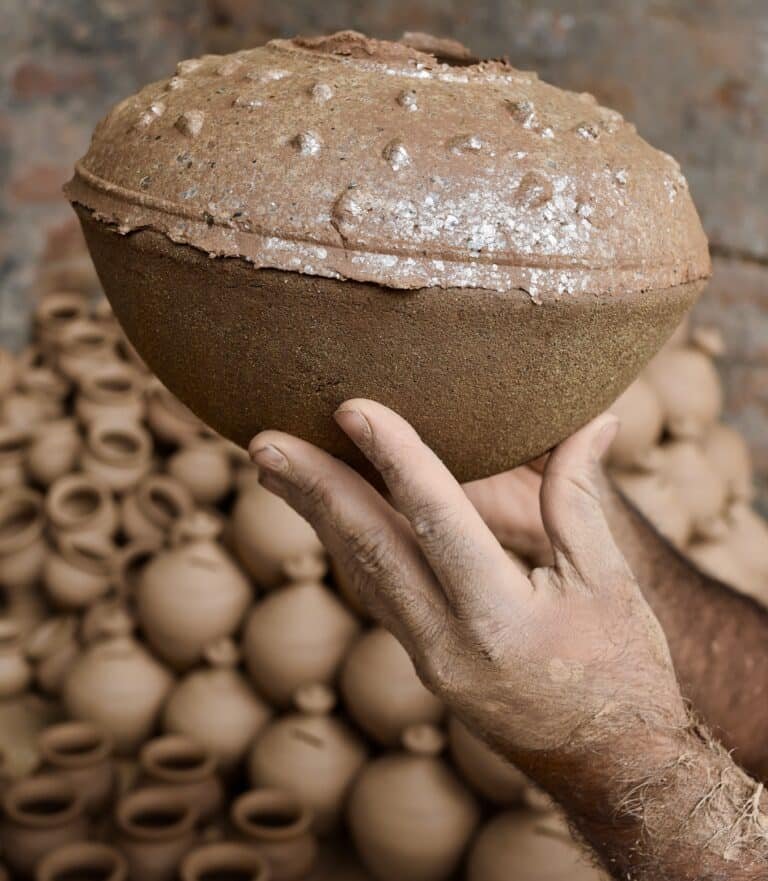
Clay pots transformed cooking by making boiling, simmering and storage widely accessible. Their heat retention and porous structure can shape texture and moisture, but claims that clay universally detoxifies or…
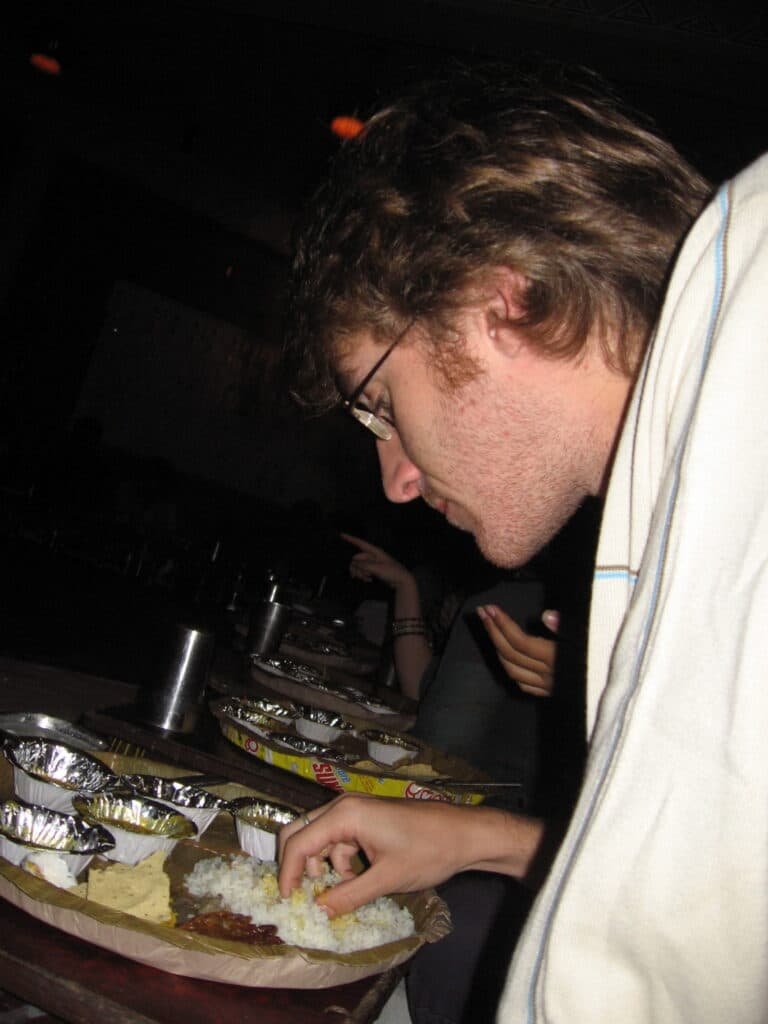
Indian hand-eating is a highly developed culinary and etiquette system suited to foods such as rice, dal, vegetables and flatbreads. Touch can enrich sensory perception, but modern claims about five…
Eating with the hands persisted across sophisticated cuisines because it is practical, culturally encoded and sensorially rich—not because utensils were unknown. Touch can influence food perception, but claims that fingers…
Ayurvedic ritucharya is a genuine classical seasonal regimen linking food, behaviour and climate. Modern physiology supports adaptation to heat, cold, daylight and seasonal food supply, but evidence does not validate…
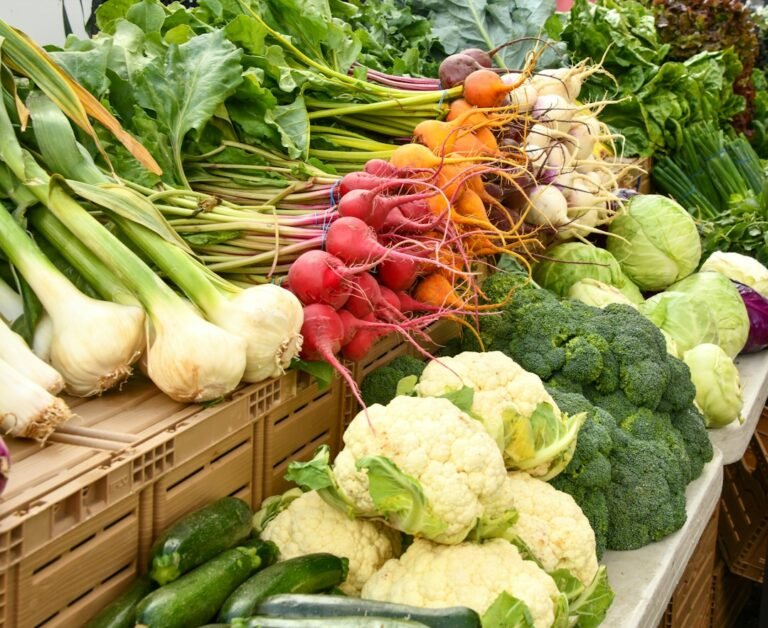
Traditional seasonal eating was mostly an ecological fact before it was a health doctrine: harvests, weather, storage and trade determined what was available. Modern biology confirms that appetite and food…
 tradivior