 tradivior
Ancient
Explore by topic, region and evidence
Investigations into traditions rooted in ancient societies and early historical civilizations.
-
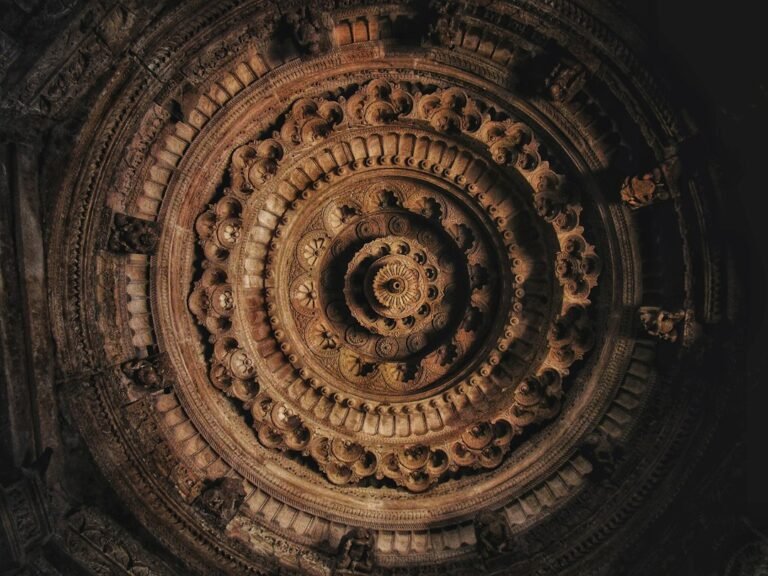
Why Did Stepwells Become Monumental Architecture in India?
Indian stepwells turned groundwater access into monumental public architecture. Their descending form solved seasonal water access while shade, depth and thermal mass created genuinely cooler microclimates.
-
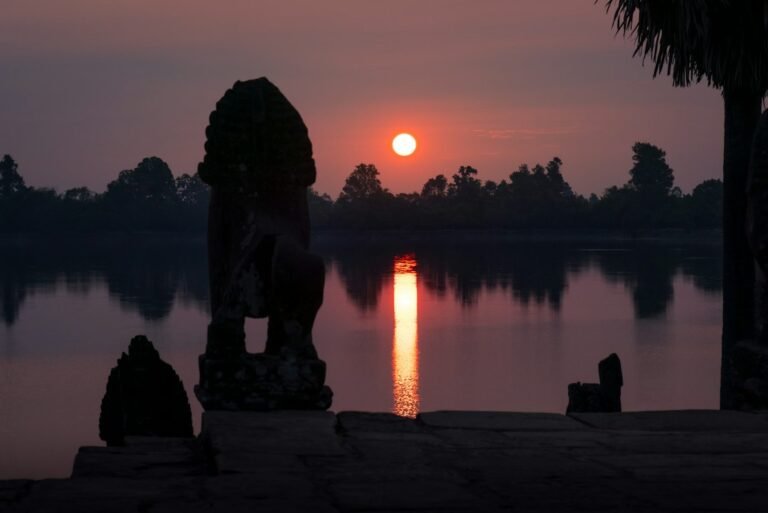
Why Did Ancient Builders Align Sacred Places With Directions?
Ancient sacred places were often aligned to cardinal, solar, stellar or landscape references—but not every dramatic sunrise proves intention. Strong archaeoastronomy combines measurement, chronology, repeated patterns and cultural context.
-
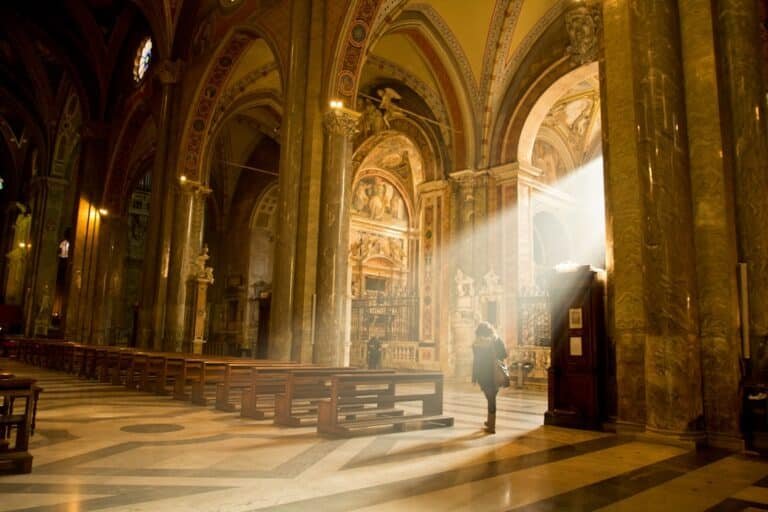
Why Do Sacred Spaces Control Light So Carefully?
Sacred spaces use darkness, filtered daylight, lamps and luminous surfaces to direct attention and shape ritual experience. Modern perception science explains why these strategies work without implying hidden ancient neuroscience.
-

Why Were Buddhist Stupas Designed for Circumambulation?
Buddhist stupas organize devotion around an inaccessible sacred centre. Railings, gateways and chaitya aisles make clockwise circumambulation an intentional ritual path that combines relic veneration, spatial order and embodied attention.
-
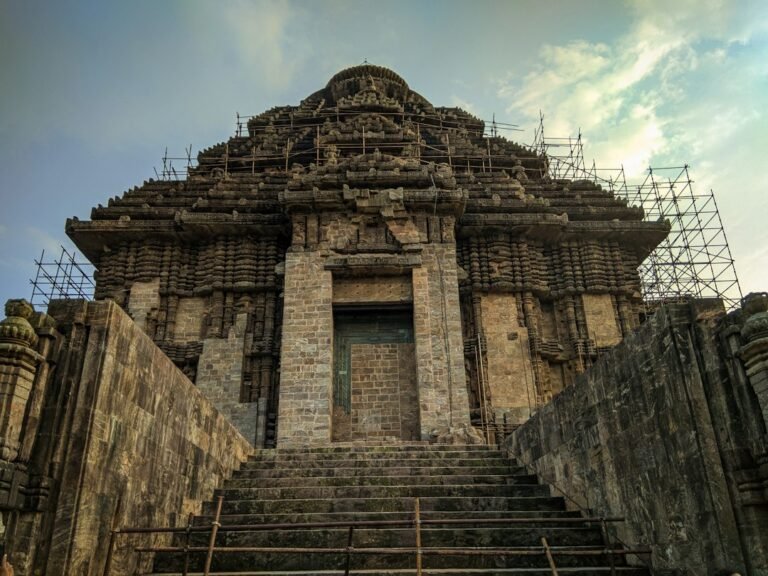
Why Were Indian Temples Designed the Way They Were?
Indian temples evolved through ritual, theology, craft, patronage, regional materials and urban life. Modern acoustics and thermal science confirm real architectural effects, but popular claims about universal energy fields and…
-

Why Do Sacred Buildings Reach Upward?
Sacred buildings reach upward because height makes religious institutions visible, marks sacred centres and creates awe. Psychology supports associations between verticality and power, but the pattern does not require a…
-
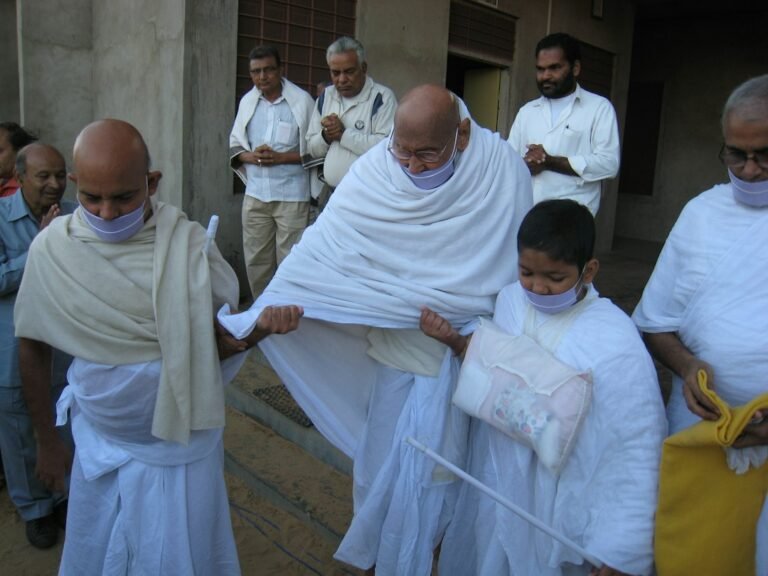
Why Do Mourning Clothes Change Colour Across Cultures?
Mourning colours differ because their main function is social rather than biological. Black, white and other mourning palettes make grief and changed status publicly visible, while the specific colour depends…
-
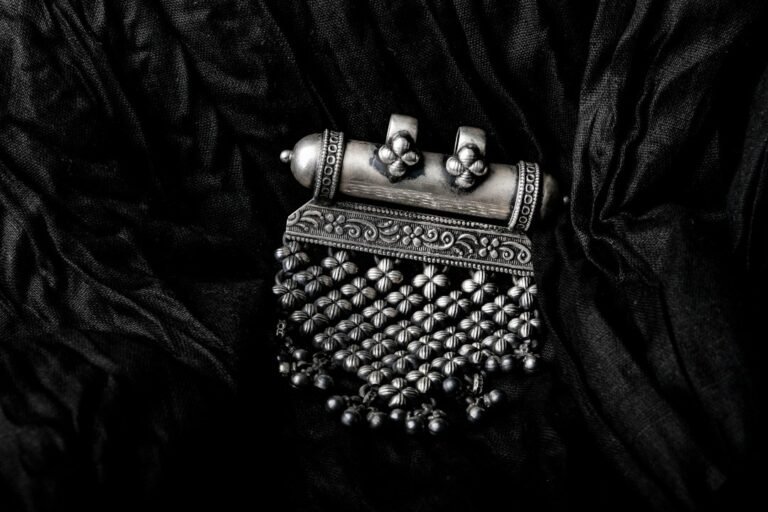
Why Do Metals and Gemstones Become Protective or Auspicious Objects?
Metals and gemstones became protective and auspicious because rarity, durability and ritual meaning made them powerful symbols. Copper and silver have real material properties, but therapeutic jewellery, crystal energy and…
-

Why Did Bangles, Anklets and Nose Rings Become Social Signals in South Asia?
Bangles, anklets and nose rings became powerful social signals in South Asia because they marked marriage, region, wealth, community and life stage. Archaeology strongly supports symbolic roles; popular circulation and…
-
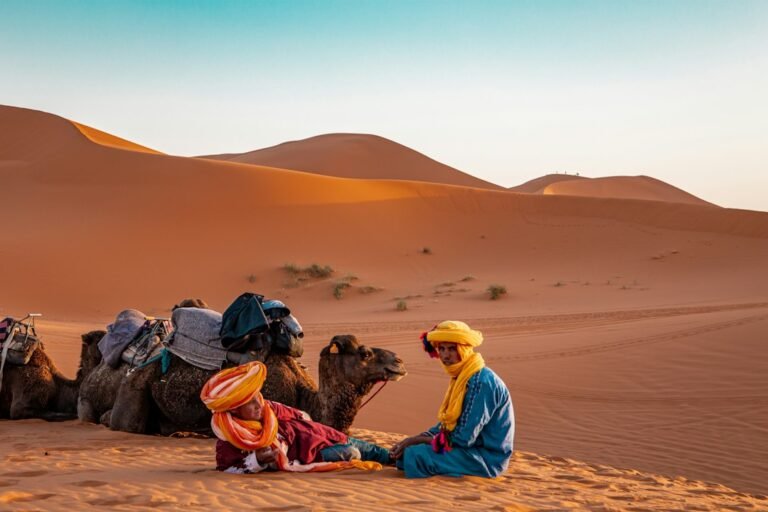
Why Did Traditional Clothing Evolve Around Climate and Work?
Traditional clothing evolved through climate, labour, local fibres, trade and social rules. Thermal science strongly supports the importance of insulation, airflow, evaporation and garment geometry, but no single fibre or…
-
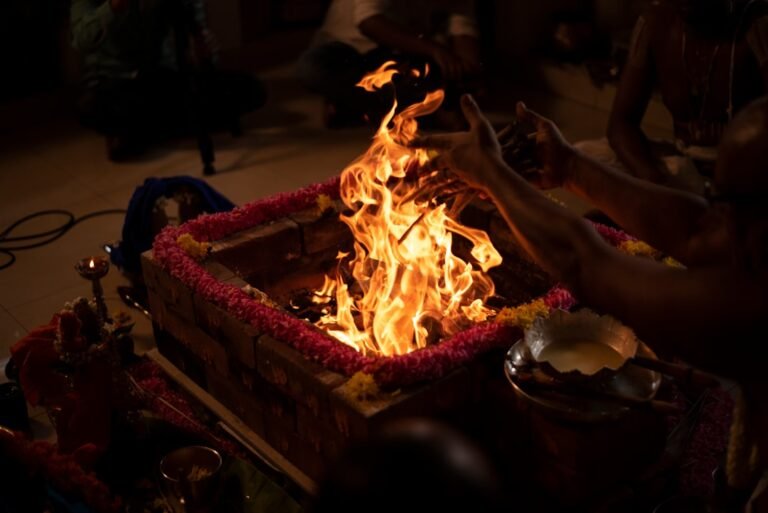
Why Do Some Hindus Wear the Sacred Thread?
The Hindu sacred thread is historically tied to upanayana, Vedic study, ritual eligibility and social identity. Its documented significance is educational and symbolic; modern claims about nerves, blood pressure or…
-
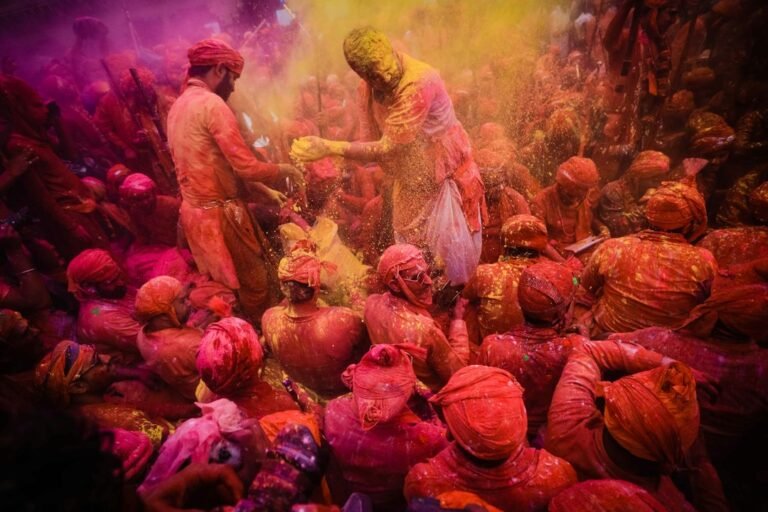
Why Do Cultures Give Ritual Meaning to Colour?
Ritual colour meanings arise from both shared human perception and learned cultural history. Cross-cultural research finds broad emotional regularities, but religion, material scarcity, language and ritual can give the same…