 tradivior
Living Tradition
Explore by topic, region and evidence
Investigations into traditions that remain actively practiced, transmitted or reinterpreted by communities today.
-
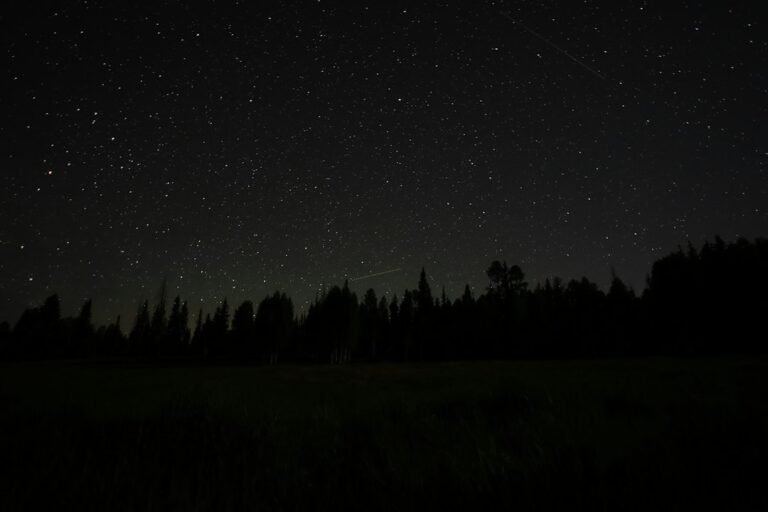
Why Did Farmers Read the Pleiades and Other Stars?
Farmers watched the Pleiades and other stars because seasonal stellar appearances are predictable. Heliacal risings act as annual calendar markers for planting, harvest and travel without implying that stars cause…
-

Why Do Festivals Move Through the Lunar Calendar?
Religious festivals move on the Gregorian calendar because many remain anchored to lunar or lunisolar systems. Pure lunar calendars drift through the seasons, while lunisolar calendars insert leap months to…
-

Why Did Indian Calendars Track Both Sun and Moon?
Indian lunisolar calendars track both Moon and Sun because twelve lunar months are about eleven days shorter than the solar year. Intercalation, tithi and later astronomical calculations reconcile visible lunar…
-
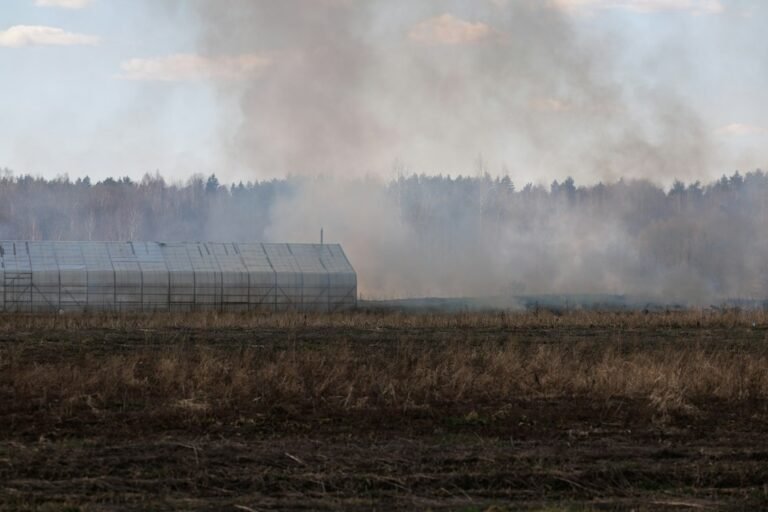
Why Did Some Traditional Landscapes Depend on Controlled Burning?
Traditional cultural burning used carefully timed, low-intensity fire to shape landscapes, support food and craft resources, and reduce fuel continuity. Modern ecology supports many of these mechanisms, but outcomes depend…
-
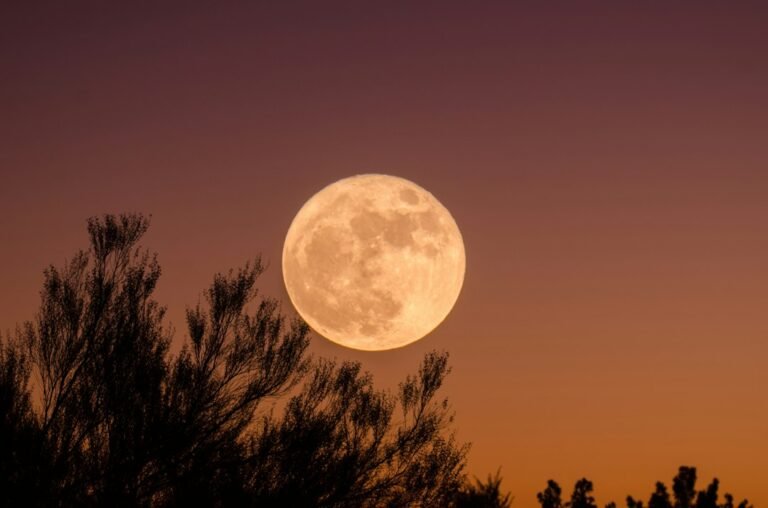
Why Did Humans Watch the Moon So Closely?
Humans watched the Moon because it was genuinely useful: a visible calendar, source of night illumination, tidal marker and ecological cue. Modern science strongly supports those functions while rejecting many…
-
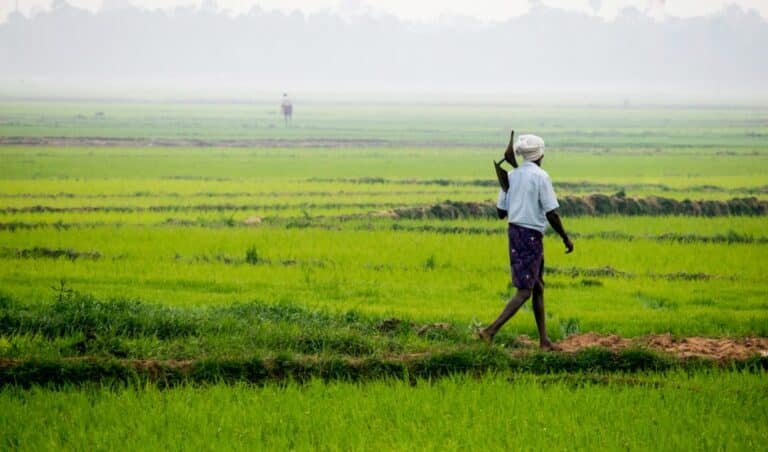
Why Did Traditional Farmers Read Birds, Insects and Plants as Weather Signs?
Traditional farmers read birds, insects, plants, clouds and winds because many respond to real environmental change. Some local signs are useful, but accuracy varies and climate change can weaken old…
-
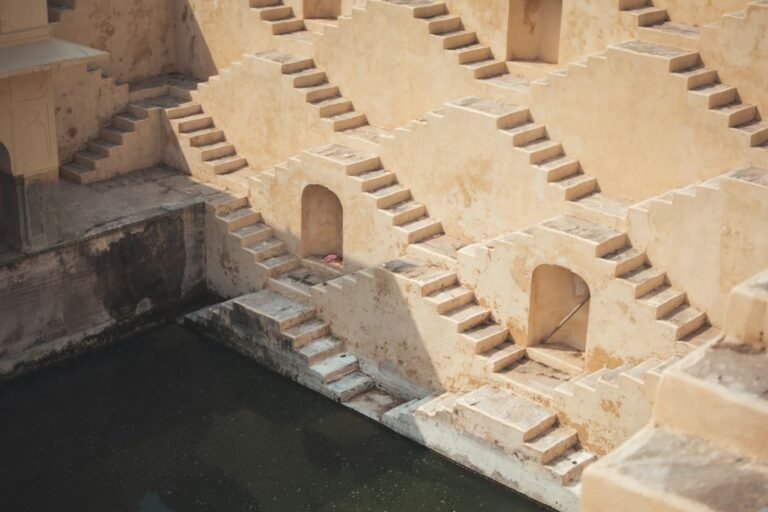
Why Did Communities Protect Water Sources Through Ritual Rules?
Ritual rules can protect springs, wells and tanks by preserving catchments, restricting contamination and coordinating maintenance. Their ecological value is real, but purity rules have also sometimes enforced unequal access.
-
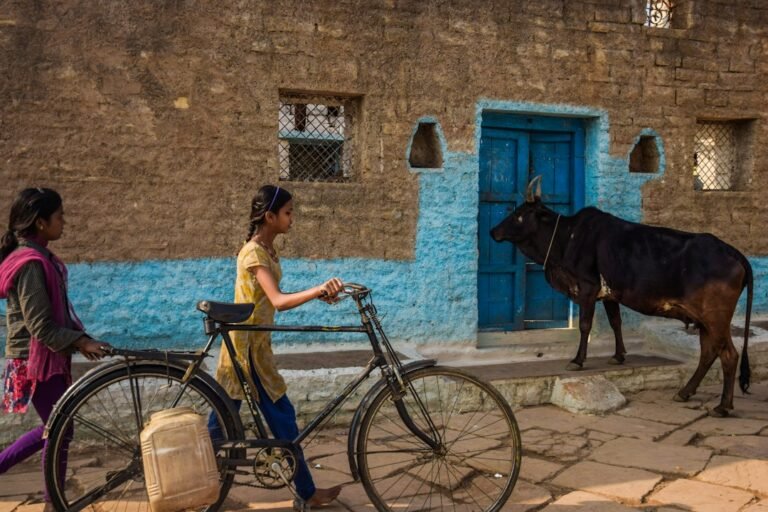
Why Is the Cow Sacred in India?
The sacred cow developed through layers of cattle economics, ahiṃsā, dairy and ritual, Krishna devotion and later cow-protection politics. No single ecological or theological theory explains the full history.
-
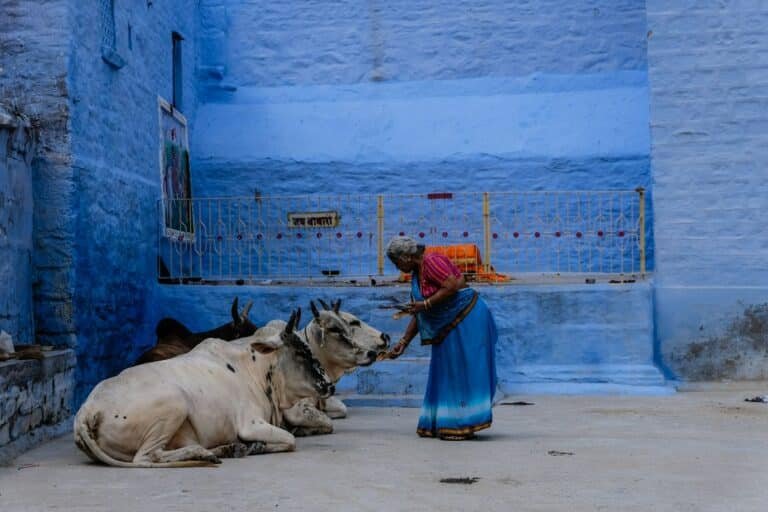
Why Are Certain Animals Sacred or Taboo?
Sacred and taboo animals can be protected, sacrificed, feared or avoided for very different reasons. Modern evidence shows some taboos reduce hunting pressure, but conservation should not be assumed to…
-
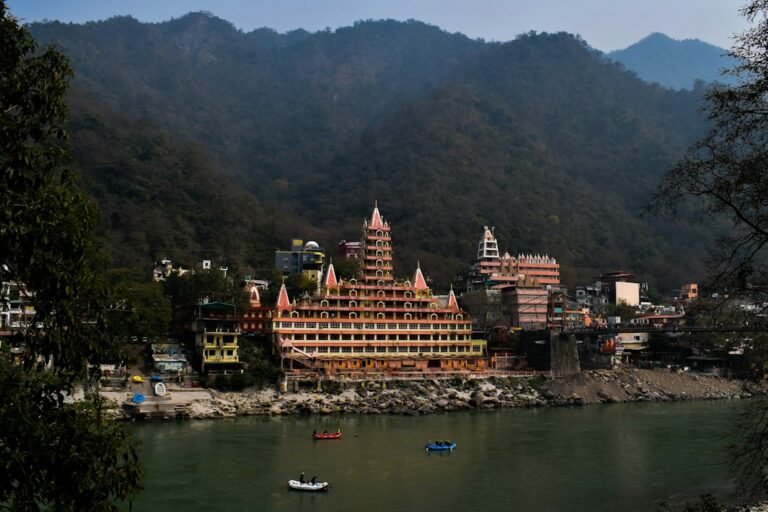
Why Do Mountains Become Holy?
Kailash, Sinai, Fuji, Olympus and countless local peaks turn elevation and remoteness into sacred geography. Tradivior will investigate why mountains invite gods, ancestors and pilgrimage, and what awe and landscape…
-

Why Were Sacred Groves Protected in India?
India’s sacred groves can preserve biodiversity because religious taboos and customary institutions restrict extraction. Ecological benefits are real, but they should not be rewritten as proof of a universal ancient…
-

Why Do Humans Treat Rivers as Sacred?
Rivers feed settlements, mark boundaries, carry the dead and renew landscapes, making them powerful religious symbols worldwide. Tradivior will compare sacred rivers while confronting the tension between reverence and pollution.