 tradivior
Evidence Review
Explore by topic, region and evidence
Investigations centered on testing a specific traditional or modern claim against historical and scientific evidence.
-

Why Was Turmeric More Than a Kitchen Spice?
Turmeric earned culinary, medicinal and ritual roles in South Asia long before curcumin was isolated. Modern trials show effects from concentrated turmeric/curcumin supplements for some outcomes, but bioavailability is low…
-
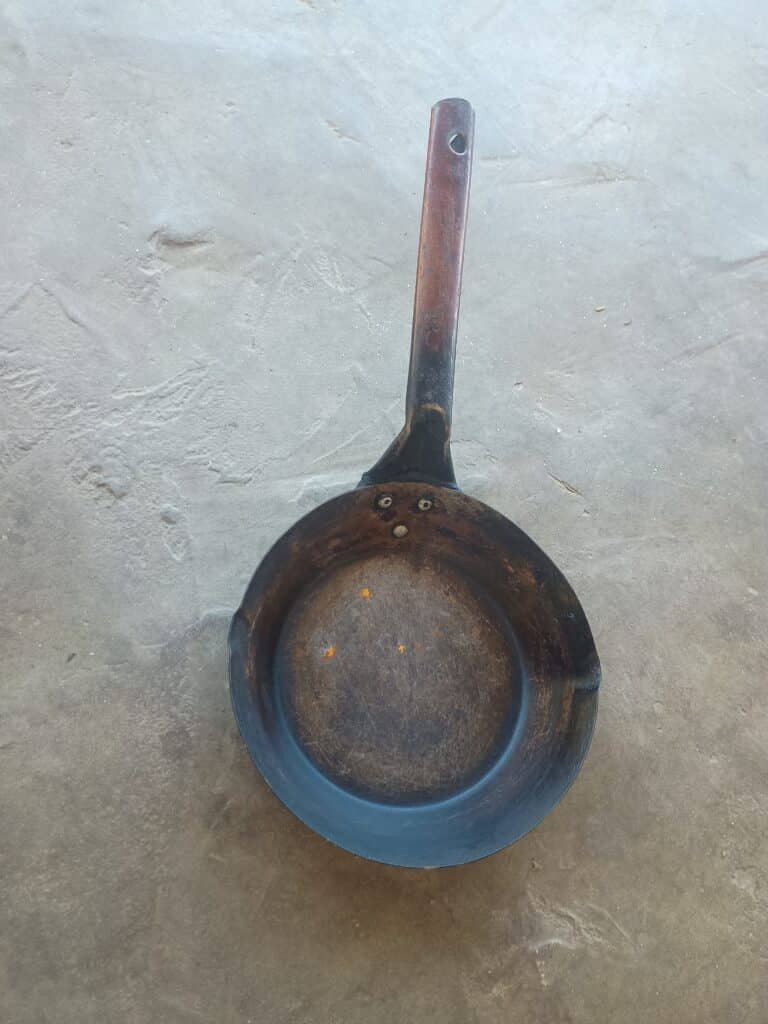
Why Did Indians Cook in Iron Kadai?
Iron cookware can transfer nutritionally meaningful iron into food, especially with acidic, moist and longer-cooked dishes. Human trials suggest it can improve iron intake and sometimes haemoglobin, but effects vary…
-

Why Were Babies Marked With Kajal or Kohl?
Why do families mark babies with kajal or kohl? The tradition carries real cultural meaning, but modern toxicology reveals a serious problem: some traditional eye cosmetics expose children to lead.
-
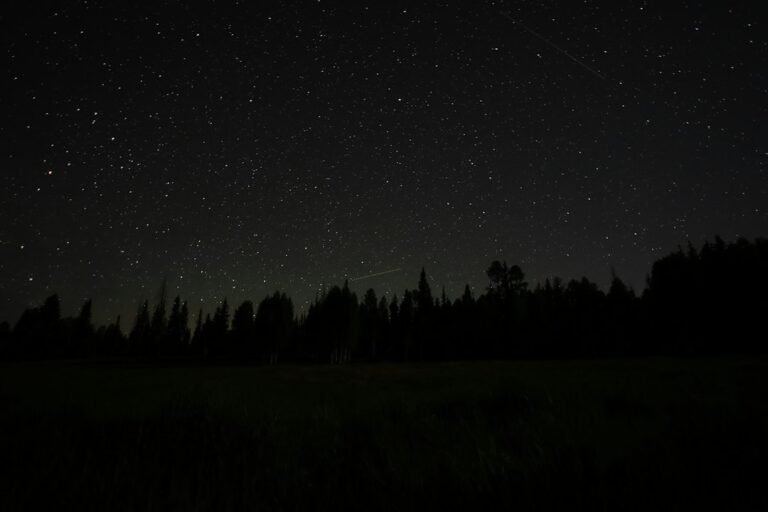
Why Did Farmers Read the Pleiades and Other Stars?
Farmers watched the Pleiades and other stars because seasonal stellar appearances are predictable. Heliacal risings act as annual calendar markers for planting, harvest and travel without implying that stars cause…
-
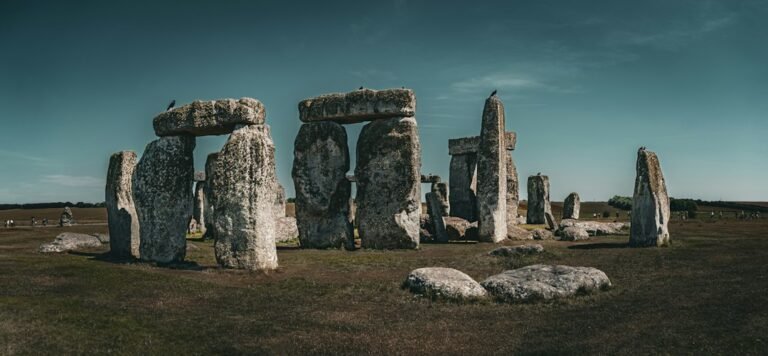
Why Did Civilizations Build Solstice and Equinox Monuments?
Some ancient monuments genuinely align with seasonal solar events: Stonehenge, Newgrange and Chankillo provide strong examples. But many popular equinox claims are weaker, showing why archaeoastronomy must test geometry, context…
-

Why Do Festivals Move Through the Lunar Calendar?
Religious festivals move on the Gregorian calendar because many remain anchored to lunar or lunisolar systems. Pure lunar calendars drift through the seasons, while lunisolar calendars insert leap months to…
-

Why Did Indian Calendars Track Both Sun and Moon?
Indian lunisolar calendars track both Moon and Sun because twelve lunar months are about eleven days shorter than the solar year. Intercalation, tithi and later astronomical calculations reconcile visible lunar…
-
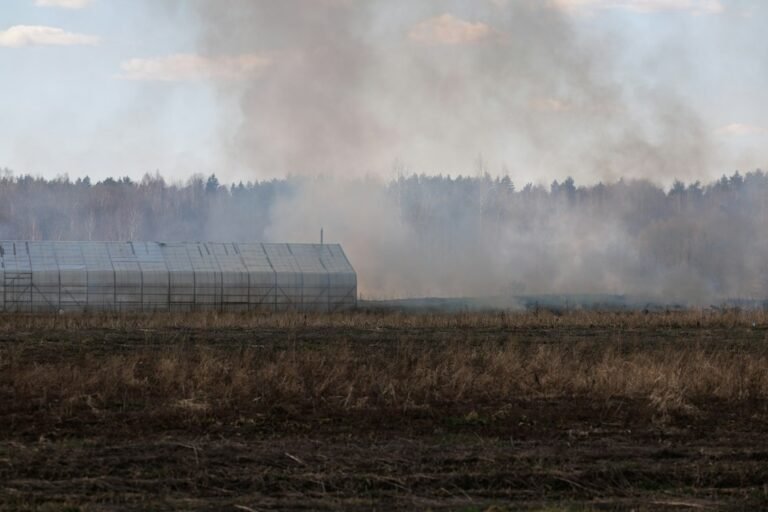
Why Did Some Traditional Landscapes Depend on Controlled Burning?
Traditional cultural burning used carefully timed, low-intensity fire to shape landscapes, support food and craft resources, and reduce fuel continuity. Modern ecology supports many of these mechanisms, but outcomes depend…
-
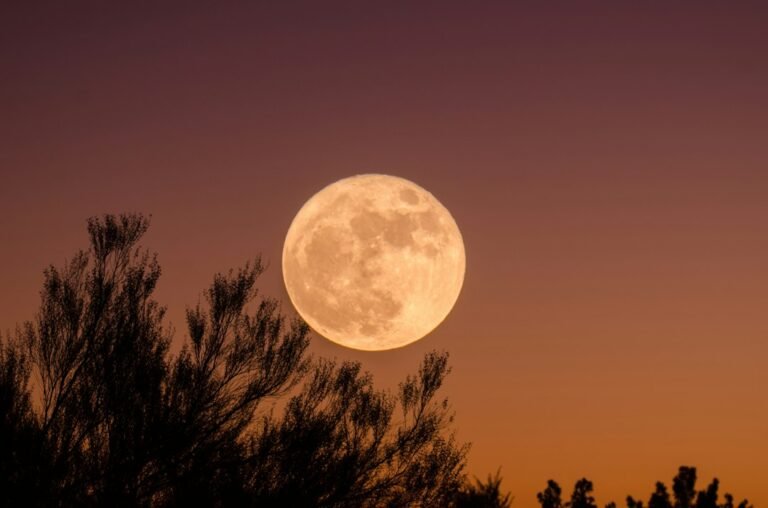
Why Did Humans Watch the Moon So Closely?
Humans watched the Moon because it was genuinely useful: a visible calendar, source of night illumination, tidal marker and ecological cue. Modern science strongly supports those functions while rejecting many…
-
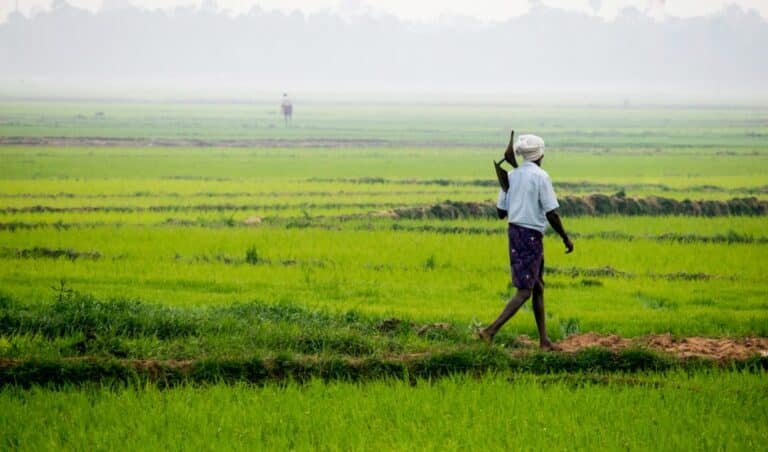
Why Did Traditional Farmers Read Birds, Insects and Plants as Weather Signs?
Traditional farmers read birds, insects, plants, clouds and winds because many respond to real environmental change. Some local signs are useful, but accuracy varies and climate change can weaken old…
-
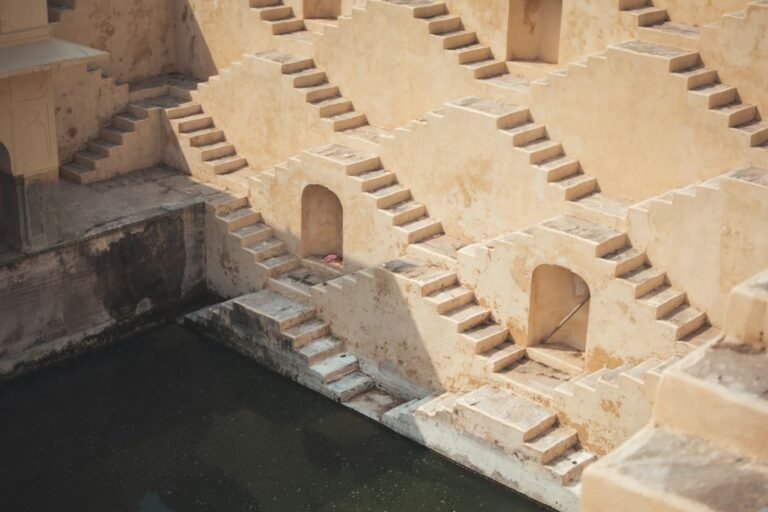
Why Did Communities Protect Water Sources Through Ritual Rules?
Ritual rules can protect springs, wells and tanks by preserving catchments, restricting contamination and coordinating maintenance. Their ecological value is real, but purity rules have also sometimes enforced unequal access.
-
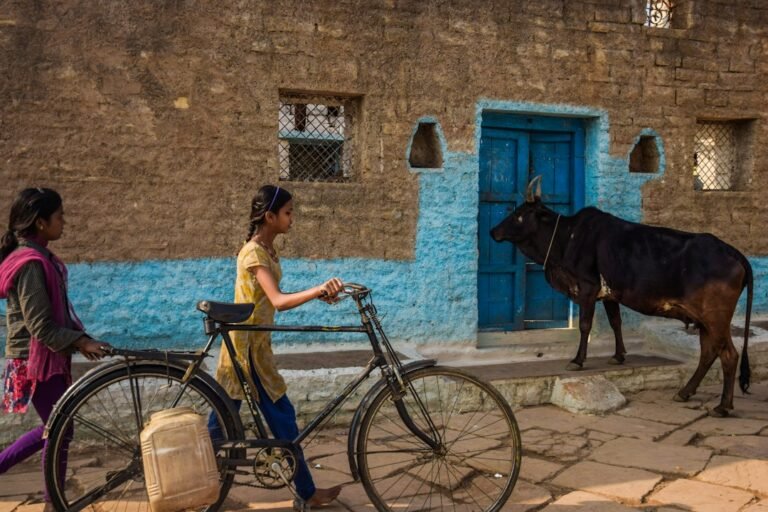
Why Is the Cow Sacred in India?
The sacred cow developed through layers of cattle economics, ahiṃsā, dairy and ritual, Krishna devotion and later cow-protection politics. No single ecological or theological theory explains the full history.