 tradivior
Evidence Review
Explore by topic, region and evidence
Investigations centered on testing a specific traditional or modern claim against historical and scientific evidence.
-
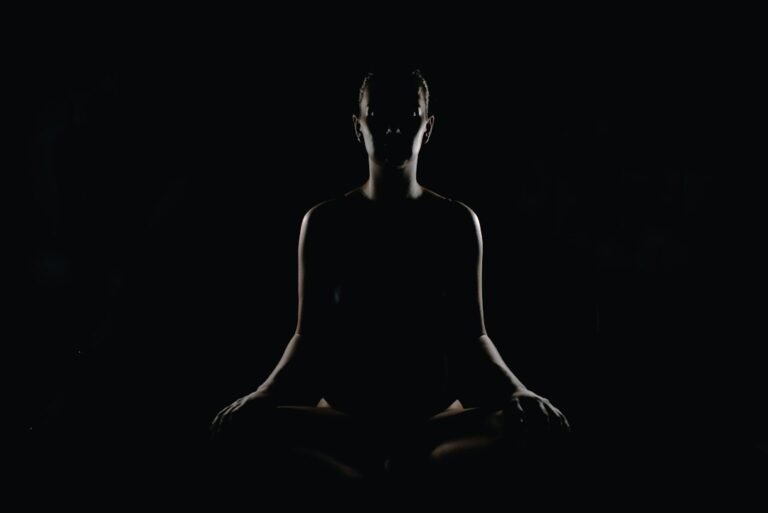
Why Do Rituals Use Visualization and Mental Imagery?
Sacred visualization has long been used in Buddhist, Hindu and Christian contemplative practice. Modern science shows that imagery can influence attention, emotion and motor rehearsal—without supporting claims that thought alone…
-
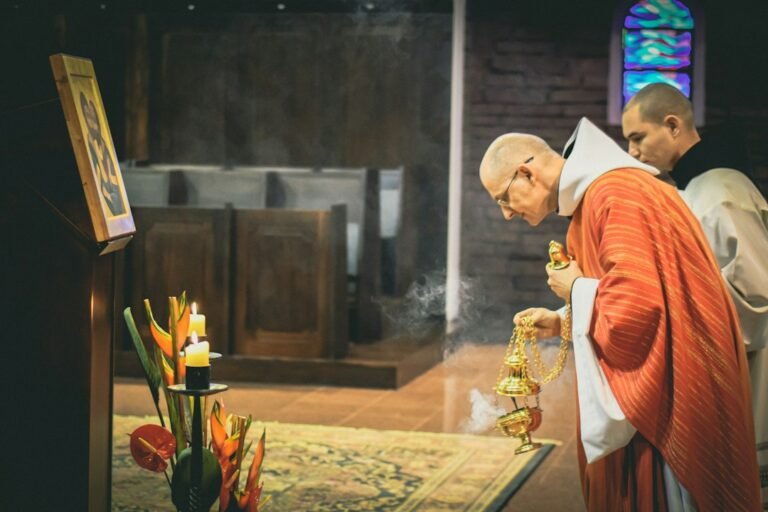
Why Do Monastics Keep Vigils and Stay Awake at Night?
Religious vigils transform wakefulness into prayer, study and sacrifice. Sleep science explains why nights can feel intense while showing that lost sleep generally impairs attention and memory rather than enhancing…
-

Why Do Traditions Treat Dreams as Messages?
Dreams have served as omens, healing signs, philosophical evidence and sources of authority across civilizations. Modern science supports links to memory and emotion, but not a universal symbolic code or…
-
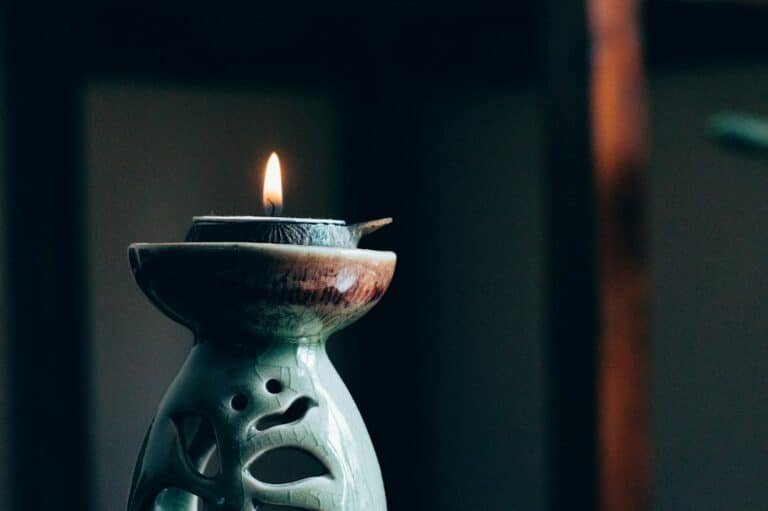
Why Did Yogic Traditions Practice Trataka Candle Gazing?
Trataka is a classical yogic gazing practice often taught with a candle flame. Research suggests plausible attention and selected visual benefits, but broad eye-healing and third-eye claims exceed the evidence.
-
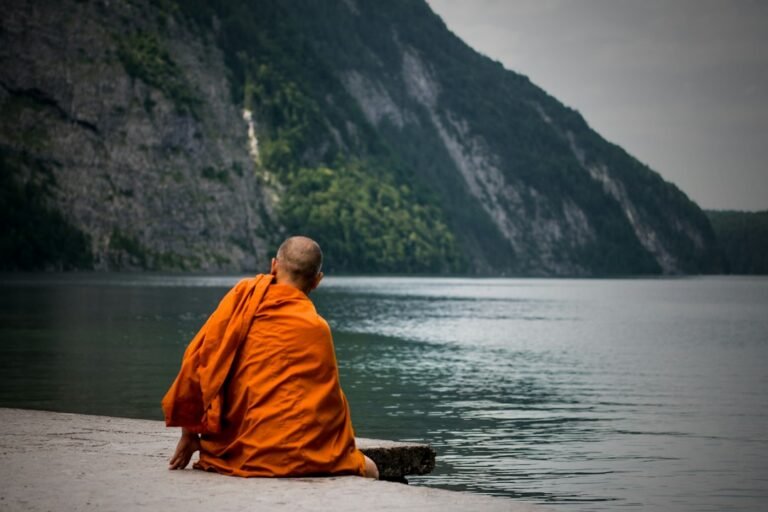
Why Do Humans Seek Solitude for Insight?
Solitude has served prayer, meditation, ascetic discipline and reflection across cultures. Modern evidence supports benefits when aloneness is chosen and meaningful, while loneliness and imposed isolation are fundamentally different states.
-
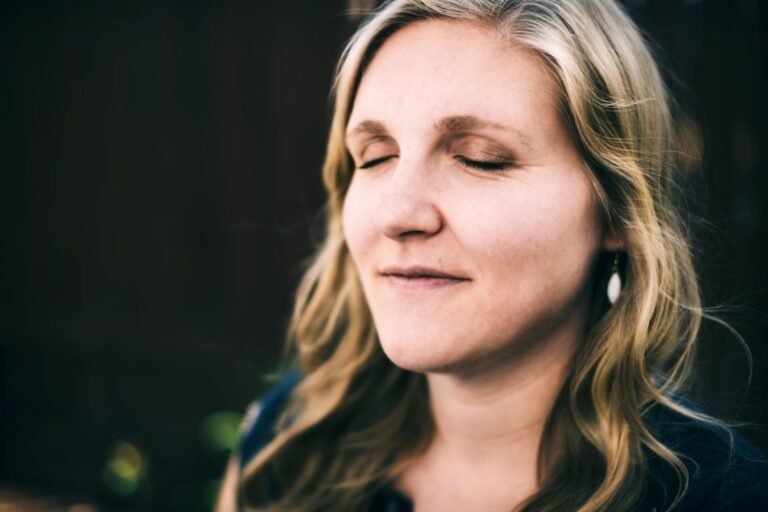
Why Do People Close Their Eyes During Prayer and Meditation?
Closing the eyes can reduce visual distraction and support imagery or inward attention, but prayer and meditation traditions also use open or lowered gaze. The science supports a flexible attentional…
-
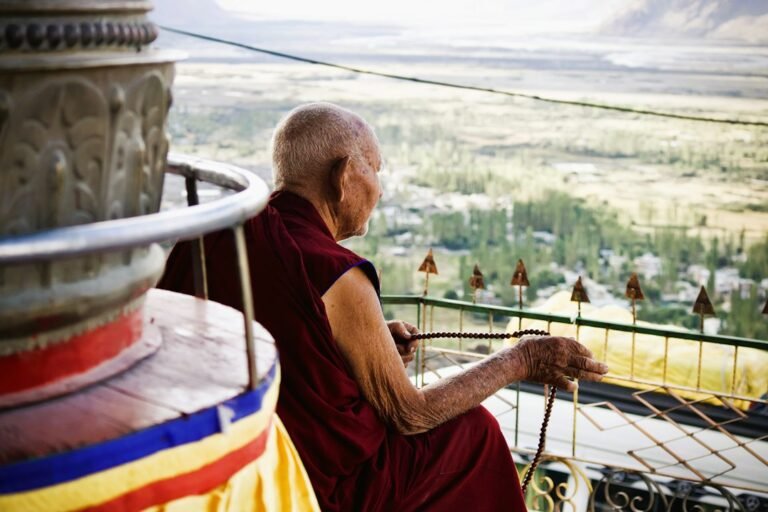
Why Do Buddhists Observe the Breath?
Ānāpānasati uses natural breathing as a field for mindfulness, concentration and insight. Modern research supports effects on attention, mind-wandering and interoception, while Buddhist claims of awakening remain outside ordinary laboratory…
-

Why Did Indian Traditions Develop Pranayama?
Pranayama evolved through classical and medieval Indian yoga as a discipline of breath, attention and vital-force regulation. Modern evidence supports real autonomic and cardiovascular effects for some techniques, while broad…
-
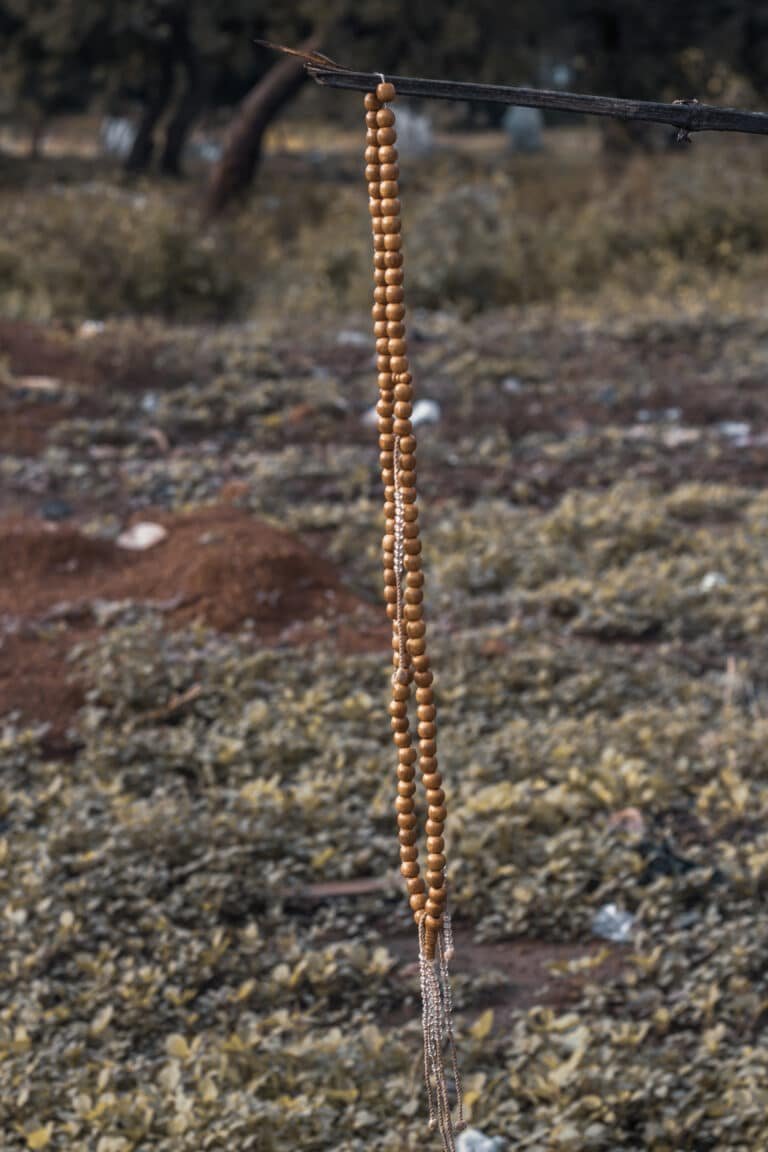
Why Do Religions Use Prayer Beads?
Mala, rosary, misbaha and other prayer beads turn repetition into something the hands can count. Tradivior will trace their histories across religions and test whether tactile counting changes attention, memory…
-
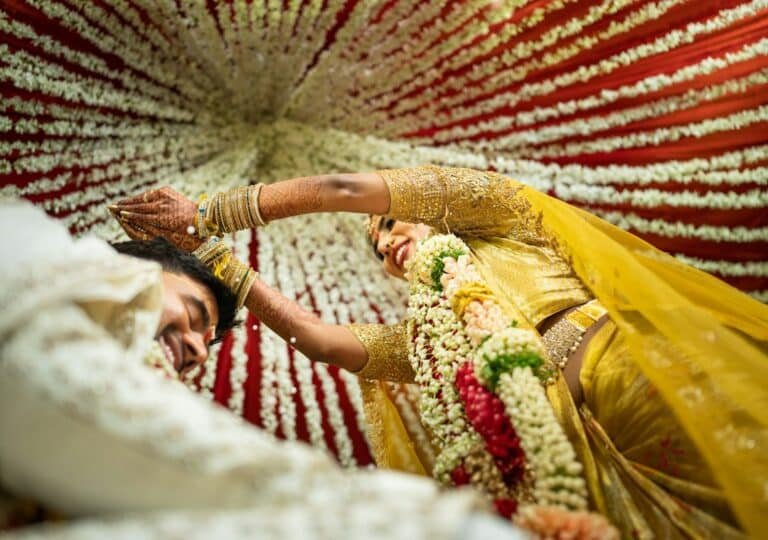
Why Do Indians Touch the Feet of Elders and Gurus?
Touching the feet of elders and gurus is often described today using sweeping claims about energy or nerves. Tradivior will separate those modern explanations from the practice’s historical logic of…
-
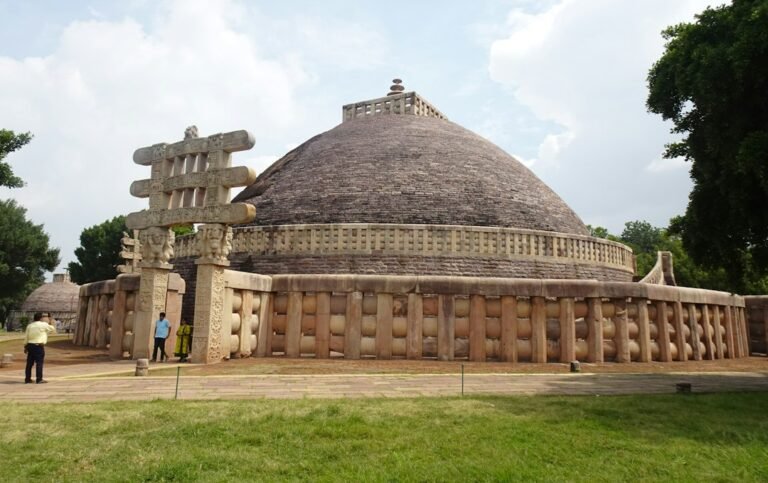
Why Do Devotees Circumambulate Sacred Places?
Walking around a shrine, temple, stupa, sacred mountain or holy object appears in many traditions. Tradivior will investigate why movement around a centre became sacred, how direction matters, and whether…
-
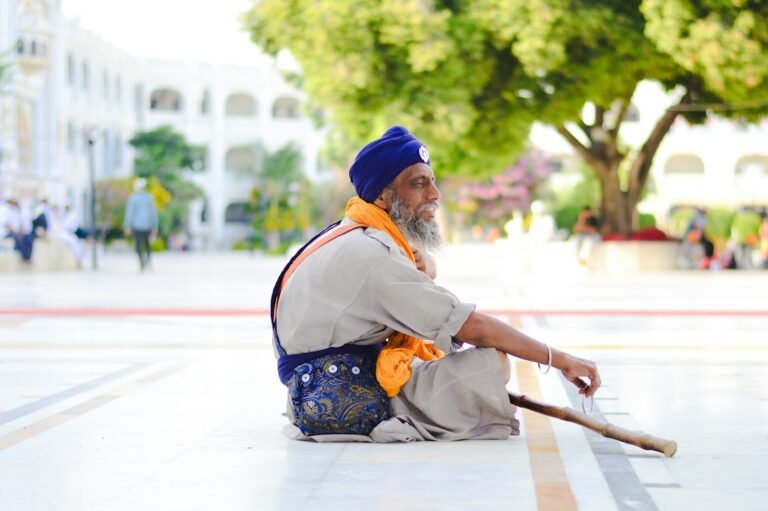
Why Do Sikhs Bow Before the Guru Granth Sahib?
In Sikh practice, bowing before the Guru Granth Sahib expresses reverence toward the Guru embodied in scripture. Tradivior will investigate the history of this relationship and what embodied deference does…