 tradivior
Living Tradition
Explore by topic, region and evidence
Investigations focused on traditions that remain actively practiced, transmitted or reinterpreted by communities today.
-
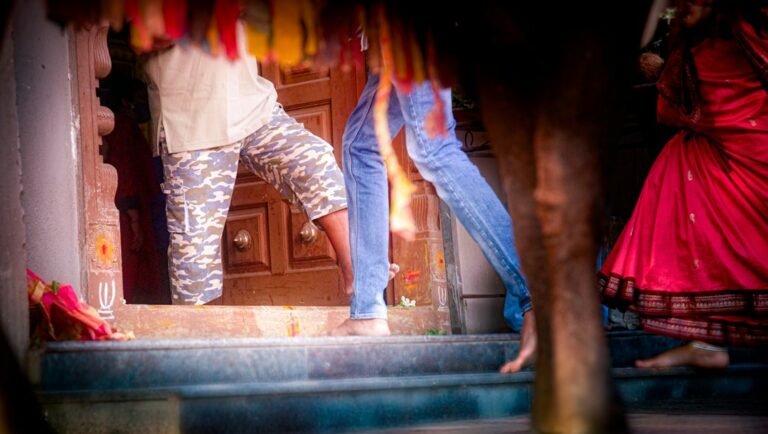
Why Do People Remove Shoes Before Entering a Home?
Removing outdoor shoes before entering a home reflects floor-based living, architecture, cleanliness, sacred respect and etiquette. Modern evidence confirms reduced tracking of microbes and particles without proving that indoor shoes…
-
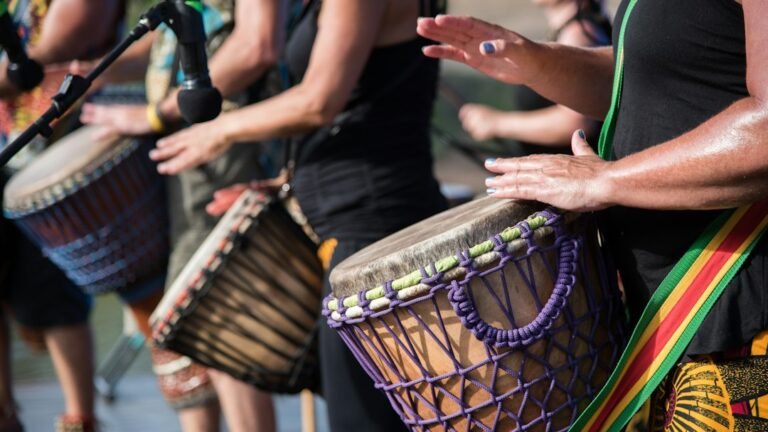
Why Do Humans Seek Trance and Altered States?
Humans across cultures deliberately alter consciousness through rhythm, movement, breath, deprivation, meditation and psychoactive substances. Science explains many induction mechanisms while leaving cultural and metaphysical interpretations distinct.
-
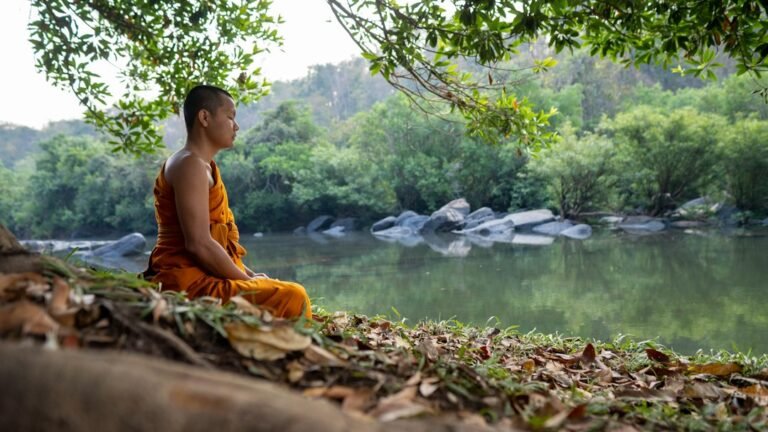
Why Do Traditions Try to Quiet the Sense of Self?
Buddhist not-self, Advaita nonduality, Sufi fanāʾ and Christian self-emptying all reduce ordinary self-reference in different ways. Modern science supports flexible self-processing without proving any one religious metaphysics.
-
Why Do Rituals Use Visualization and Mental Imagery?
Sacred visualization has long been used in Buddhist, Hindu and Christian contemplative practice. Modern science shows that imagery can influence attention, emotion and motor rehearsal—without supporting claims that thought alone…
-
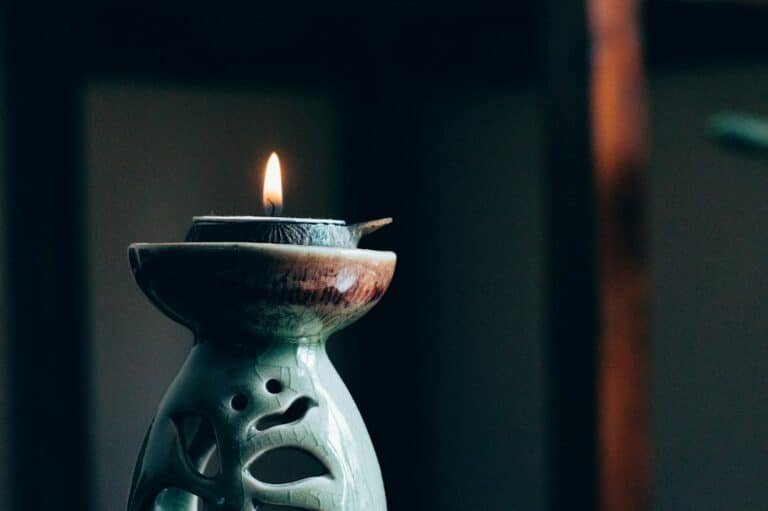
Why Did Yogic Traditions Practice Trataka Candle Gazing?
Trataka is a classical yogic gazing practice often taught with a candle flame. Research suggests plausible attention and selected visual benefits, but broad eye-healing and third-eye claims exceed the evidence.
-
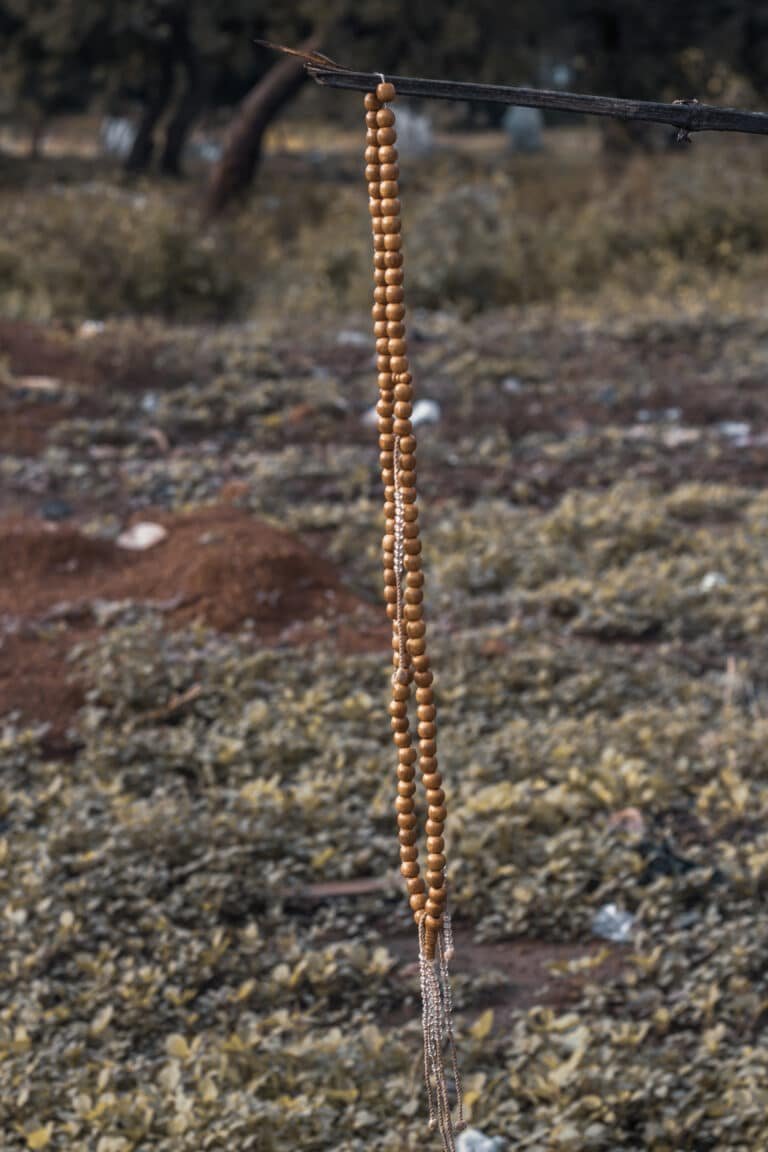
Why Do Religions Use Prayer Beads?
Mala, rosary, misbaha and other prayer beads turn repetition into something the hands can count. Tradivior will trace their histories across religions and test whether tactile counting changes attention, memory…
-
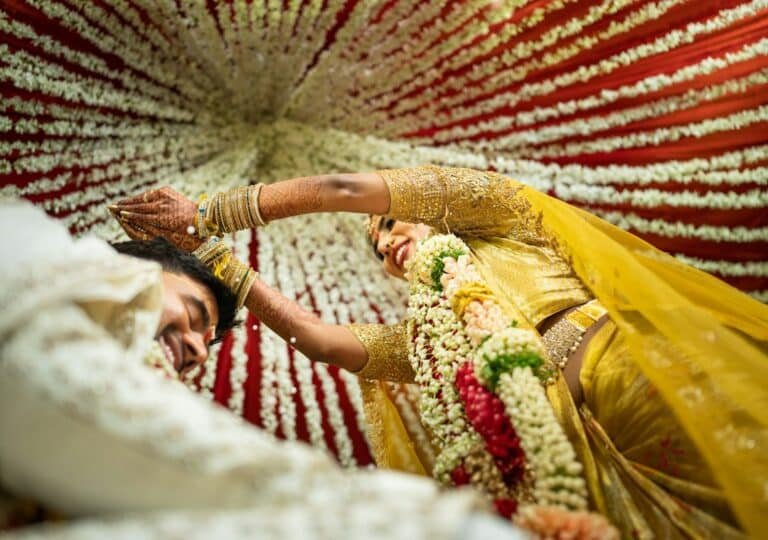
Why Do Indians Touch the Feet of Elders and Gurus?
Touching the feet of elders and gurus is often described today using sweeping claims about energy or nerves. Tradivior will separate those modern explanations from the practice’s historical logic of…
-
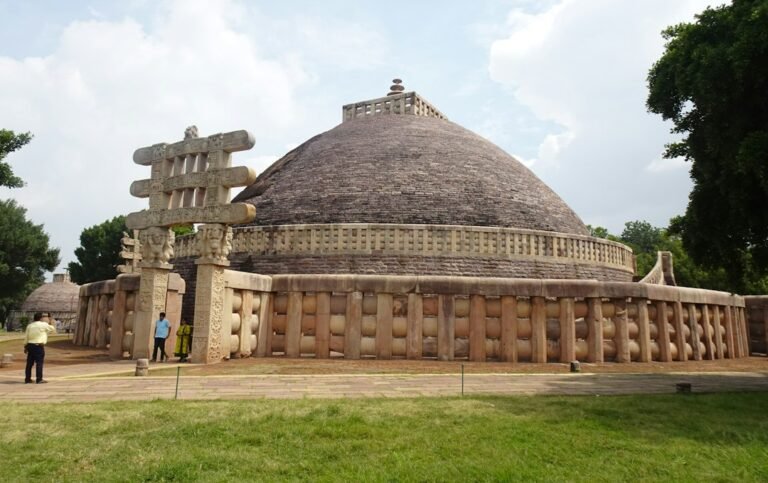
Why Do Devotees Circumambulate Sacred Places?
Walking around a shrine, temple, stupa, sacred mountain or holy object appears in many traditions. Tradivior will investigate why movement around a centre became sacred, how direction matters, and whether…
-
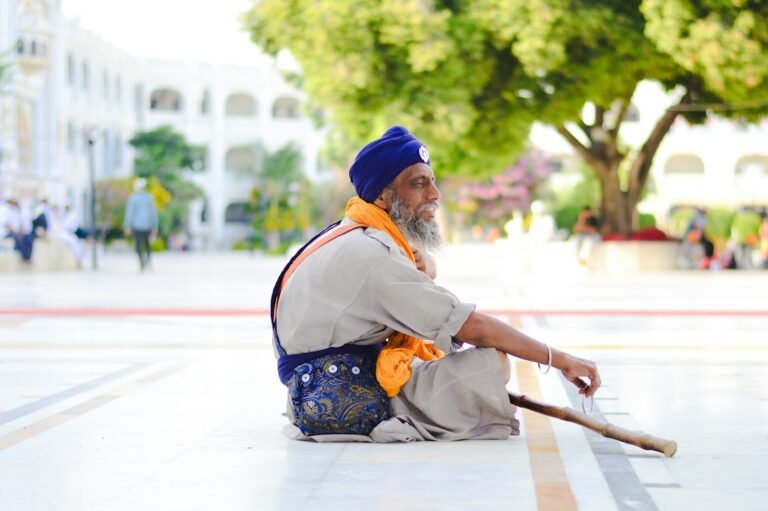
Why Do Sikhs Bow Before the Guru Granth Sahib?
In Sikh practice, bowing before the Guru Granth Sahib expresses reverence toward the Guru embodied in scripture. Tradivior will investigate the history of this relationship and what embodied deference does…
-
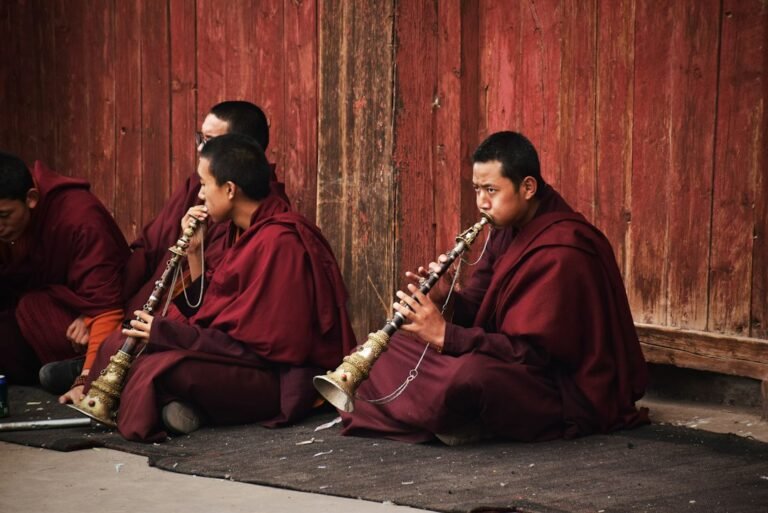
Why Do Buddhists Make Prostrations?
Prostration appears across Buddhist traditions as reverence, training and deliberate lowering of the self. Tradivior will compare its meanings across regions and ask what repetitive full-body ritual may do to…
-
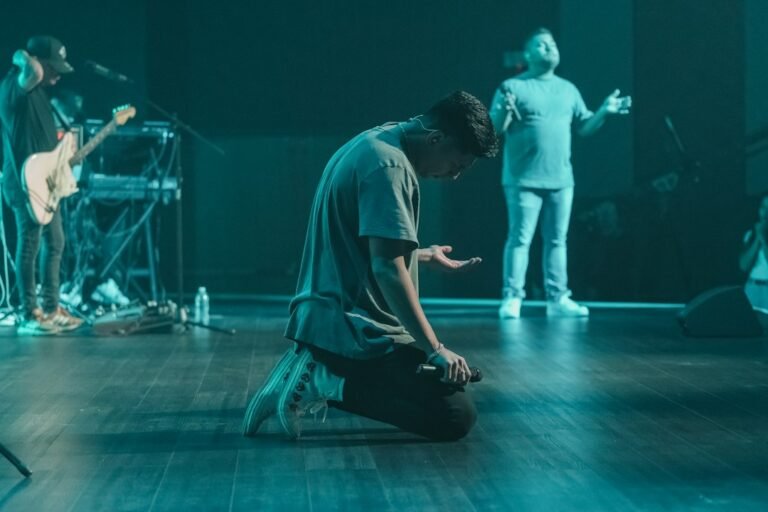
Why Do Christians Kneel, Stand and Make the Sign of the Cross?
Christian worship has long used posture and gesture to make belief visible in the body. Tradivior will examine how kneeling, standing and the sign of the cross developed across churches,…
-
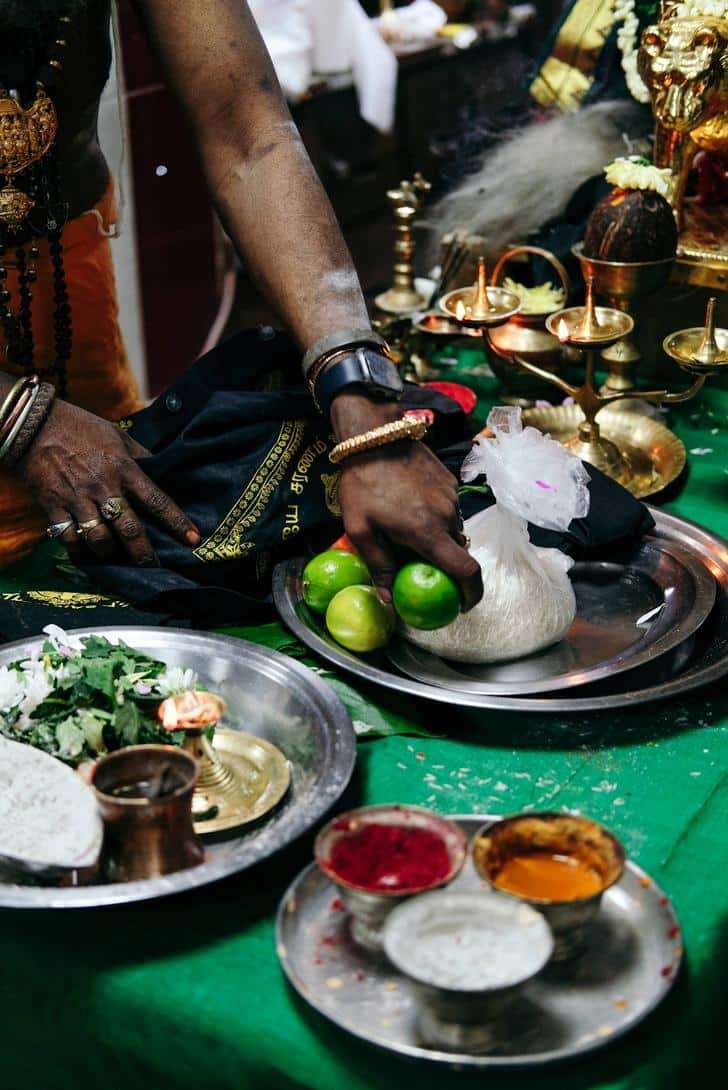
Why Do Hindus Perform Puja With Lamps, Water, Flowers and Food?
Puja brings together light, water, scent, food, touch and gesture in a highly structured act of worship. Tradivior will trace how these offerings developed, what they mean within Hindu traditions,…