 tradivior
Secular
Explore by topic, region and evidence
Investigations focused primarily on nonreligious, civic, practical or secular traditions and social practices.
-
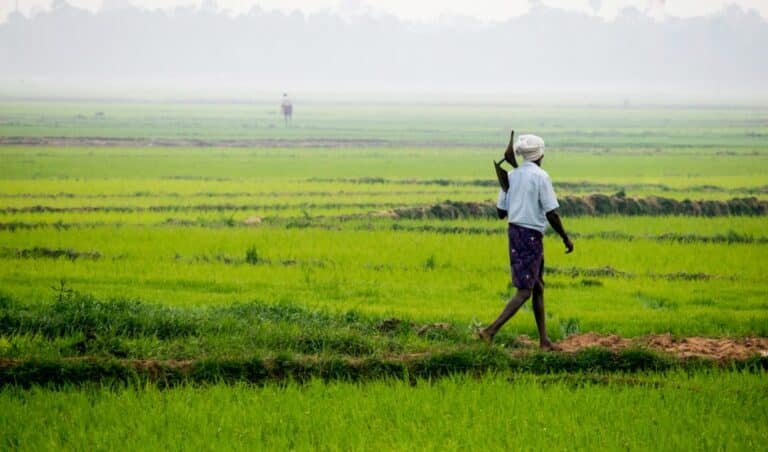
Why Did Traditional Farmers Read Birds, Insects and Plants as Weather Signs?
Traditional farmers read birds, insects, plants, clouds and winds because many respond to real environmental change. Some local signs are useful, but accuracy varies and climate change can weaken old…
-
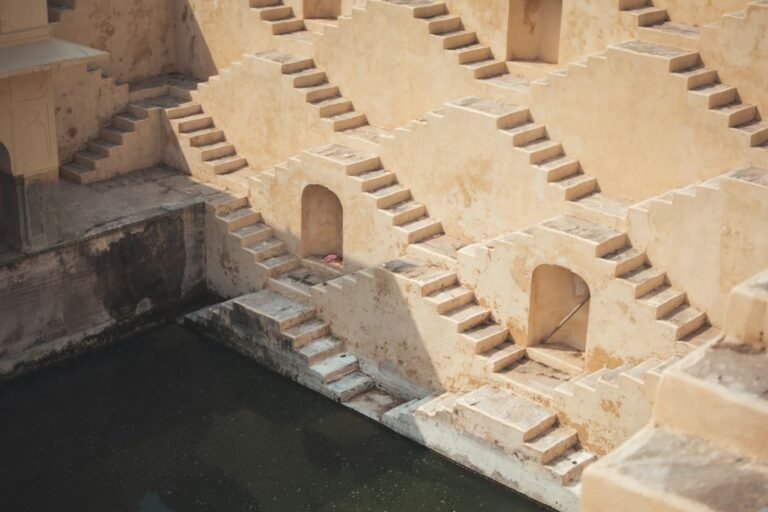
Why Did Communities Protect Water Sources Through Ritual Rules?
Ritual rules can protect springs, wells and tanks by preserving catchments, restricting contamination and coordinating maintenance. Their ecological value is real, but purity rules have also sometimes enforced unequal access.
-
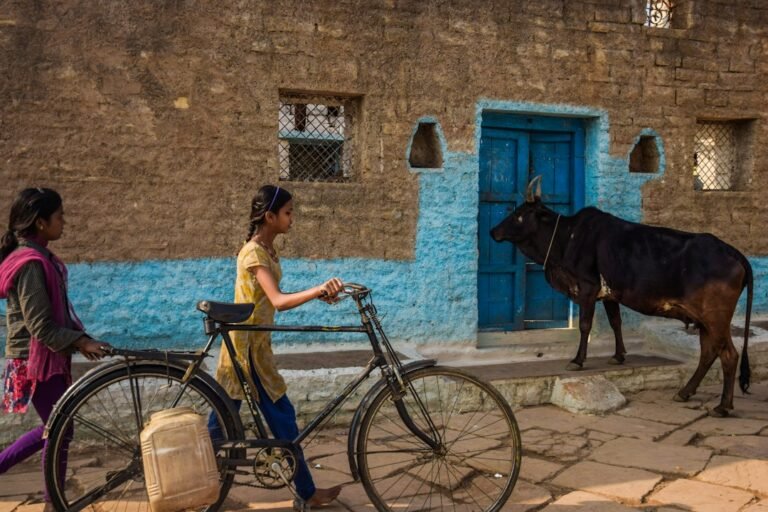
Why Is the Cow Sacred in India?
The sacred cow developed through layers of cattle economics, ahiṃsā, dairy and ritual, Krishna devotion and later cow-protection politics. No single ecological or theological theory explains the full history.
-
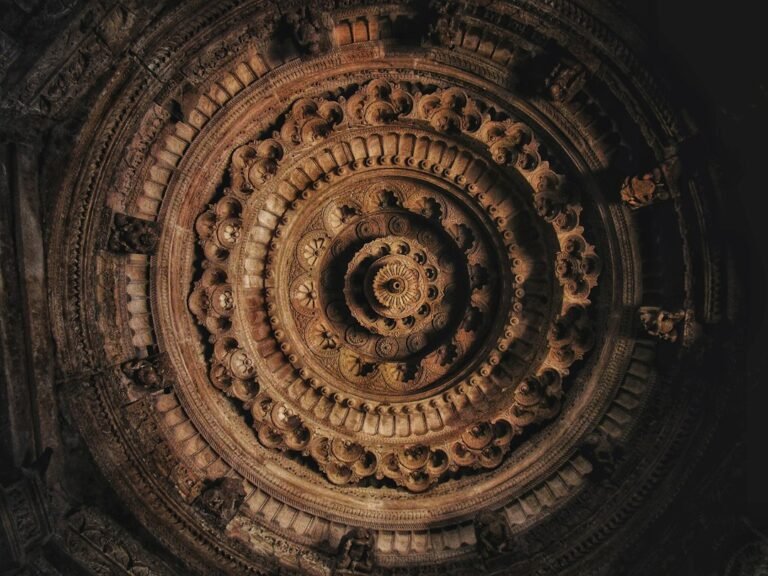
Why Did Stepwells Become Monumental Architecture in India?
Indian stepwells turned groundwater access into monumental public architecture. Their descending form solved seasonal water access while shade, depth and thermal mass created genuinely cooler microclimates.
-
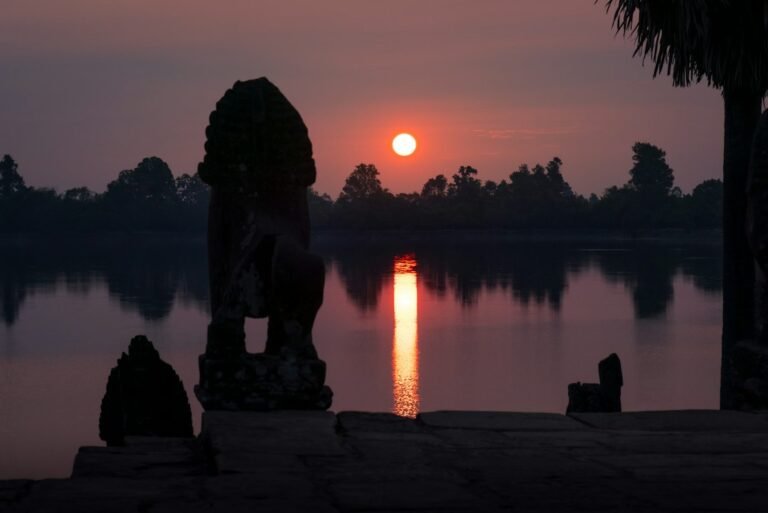
Why Did Ancient Builders Align Sacred Places With Directions?
Ancient sacred places were often aligned to cardinal, solar, stellar or landscape references—but not every dramatic sunrise proves intention. Strong archaeoastronomy combines measurement, chronology, repeated patterns and cultural context.
-
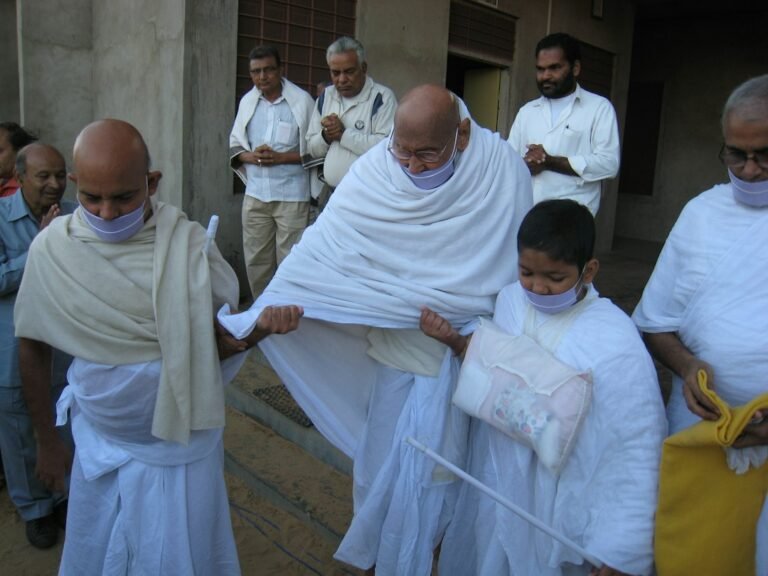
Why Do Mourning Clothes Change Colour Across Cultures?
Mourning colours differ because their main function is social rather than biological. Black, white and other mourning palettes make grief and changed status publicly visible, while the specific colour depends…
-
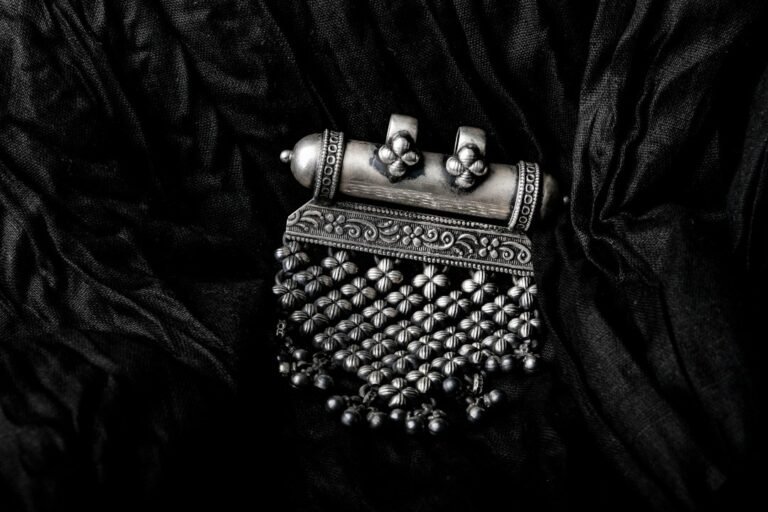
Why Do Metals and Gemstones Become Protective or Auspicious Objects?
Metals and gemstones became protective and auspicious because rarity, durability and ritual meaning made them powerful symbols. Copper and silver have real material properties, but therapeutic jewellery, crystal energy and…
-
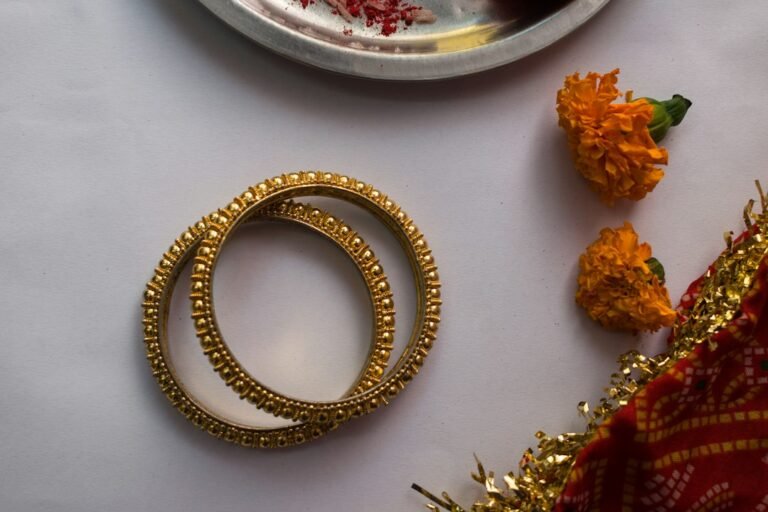
Why Did Bangles, Anklets and Nose Rings Become Social Signals in South Asia?
Bangles, anklets and nose rings became powerful social signals in South Asia because they marked marriage, region, wealth, community and life stage. Archaeology strongly supports symbolic roles; popular circulation and…
-
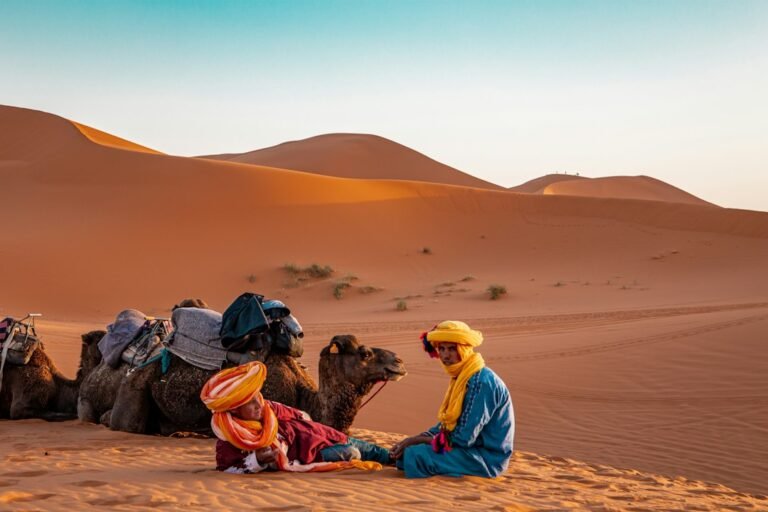
Why Did Traditional Clothing Evolve Around Climate and Work?
Traditional clothing evolved through climate, labour, local fibres, trade and social rules. Thermal science strongly supports the importance of insulation, airflow, evaporation and garment geometry, but no single fibre or…
-
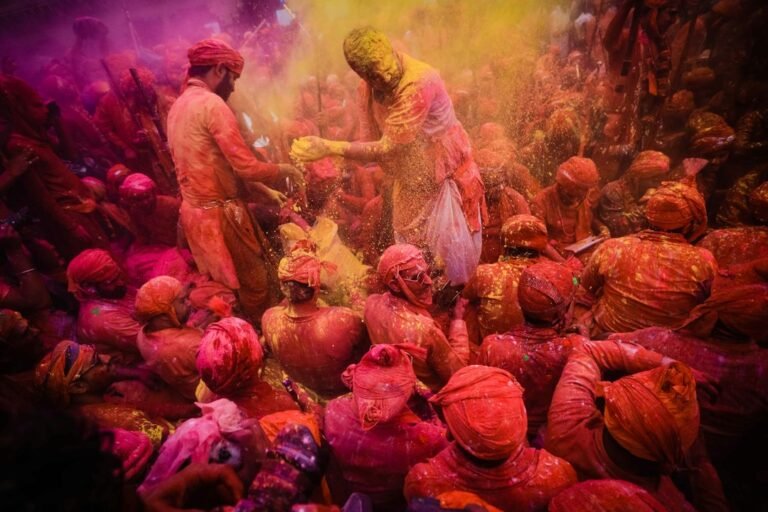
Why Do Cultures Give Ritual Meaning to Colour?
Ritual colour meanings arise from both shared human perception and learned cultural history. Cross-cultural research finds broad emotional regularities, but religion, material scarcity, language and ritual can give the same…
-
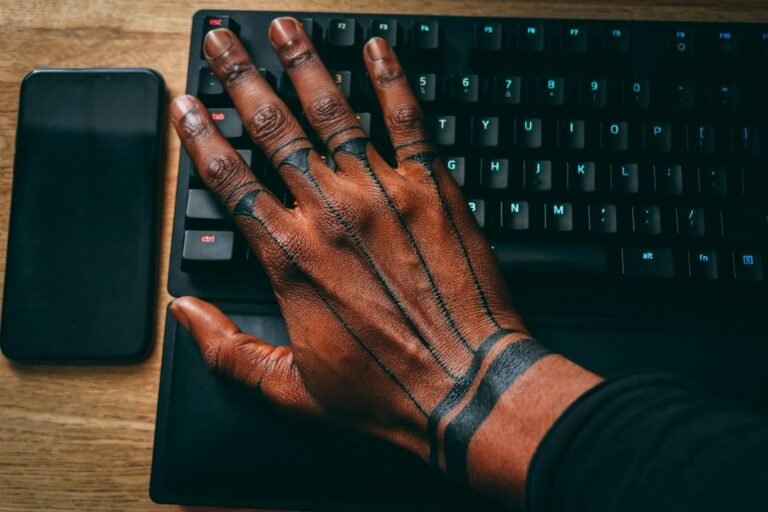
Why Did Humans Tattoo the Body?
Tattooing turns skin into a permanent social surface. Across cultures it has marked identity, initiation, rank, protection, punishment, memory and belonging; its permanence makes those signals powerful while also creating…
-
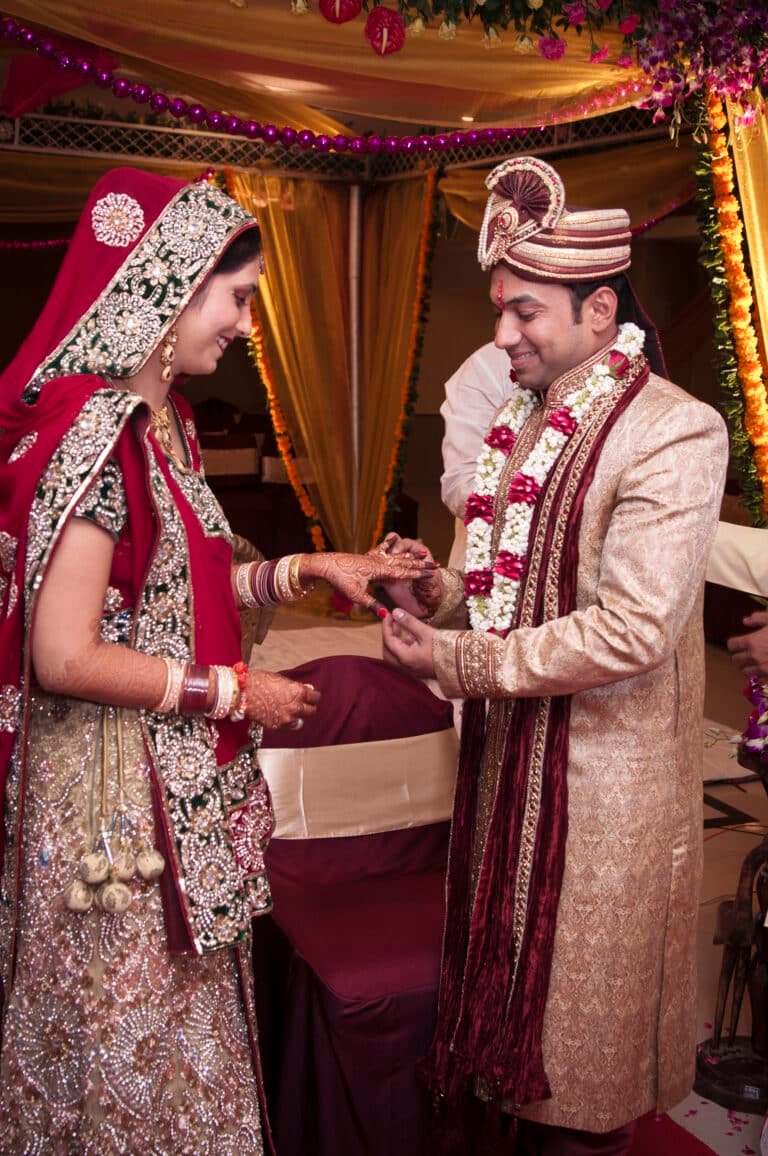
Why Do Married Indian Women Wear Sindoor, Mangalsutra and Other Marriage Markers?
Sindoor, mangalsutra, thali, bangles and toe rings are regionally varied marriage markers that make marital identity visible. Their strongest meanings are social, ritual and economic; many modern biomedical claims are…