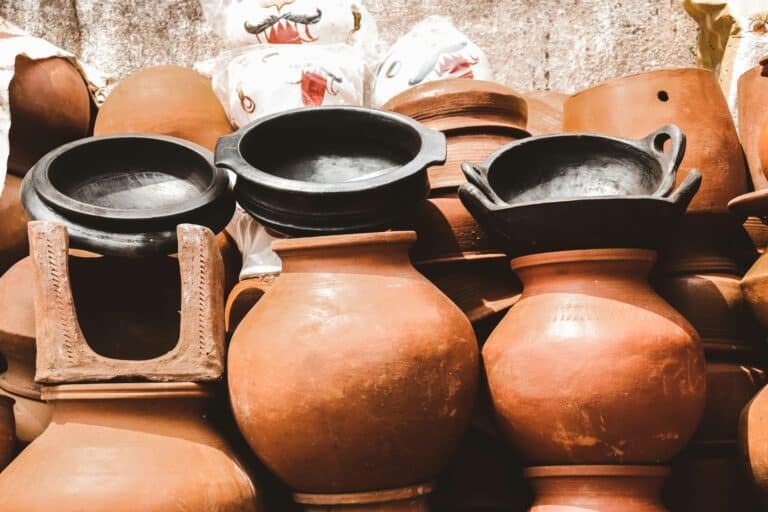
Historically Practical
Why Did Humans Boil Food?
Boiling transformed human diets by making grains, pulses, roots, meat and water safer and softer in a single vessel. Heat kills most foodborne microbes and moist cooking improves digestibility, but…
 tradivior
Follow a question. Examine the evidence.
Search customs, ideas and practices, or combine filters to follow a connection across cultures. Evidence assessments describe editorial conclusions, not scores or rankings.
24 investigations found · Page 1 of 2
Historically Practical
Boiling transformed human diets by making grains, pulses, roots, meat and water safer and softer in a single vessel. Heat kills most foodborne microbes and moist cooking improves digestibility, but…
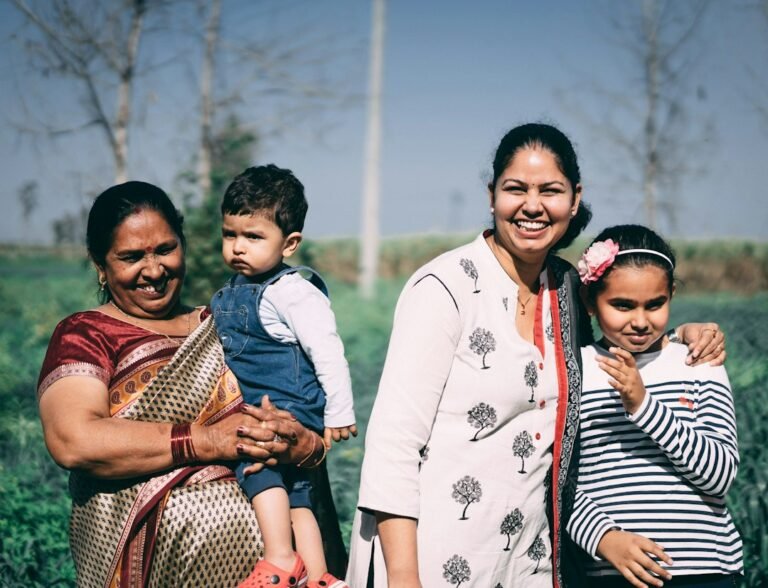
Evidence Unclear
Pregnancy attracts food rules because it is a high-stakes, uncertain life stage. Cross-cultural reviews show taboos often aim to prevent miscarriage, difficult birth or perceived fetal harm, but many restrict…
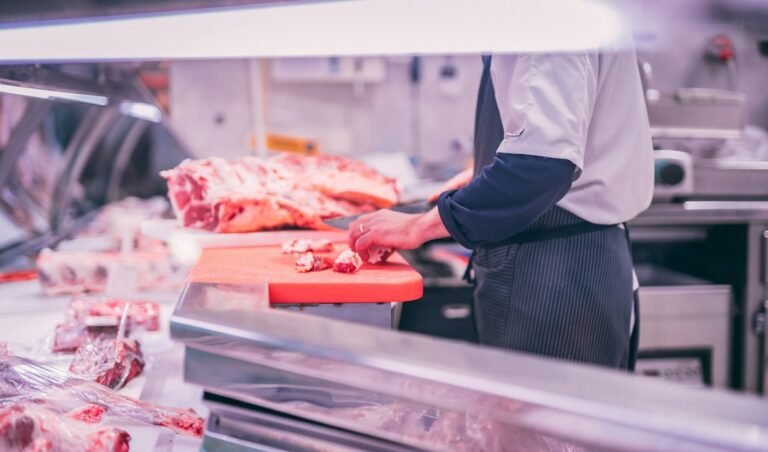
Primarily Symbolic/Cultural
Religions regulate meat because killing animals, blood, purity, sacrifice and communal identity carry unusually high moral weight. Some rules may have ecological or safety consequences, but Jewish, Islamic, Hindu, Jain,…
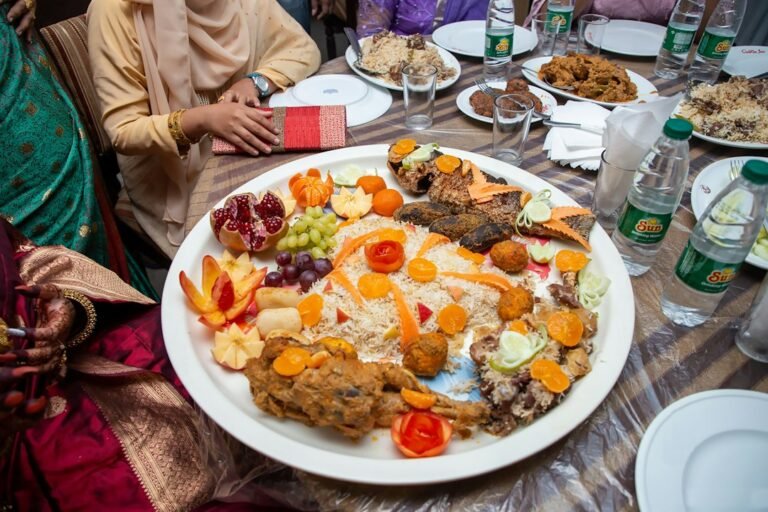
Evidence Unclear
Food taboos are nearly universal but vary radically between cultures, which is strong evidence against one universal biological explanation. Some restrictions may incidentally reduce risk or conserve resources; others are…
Partially Supported
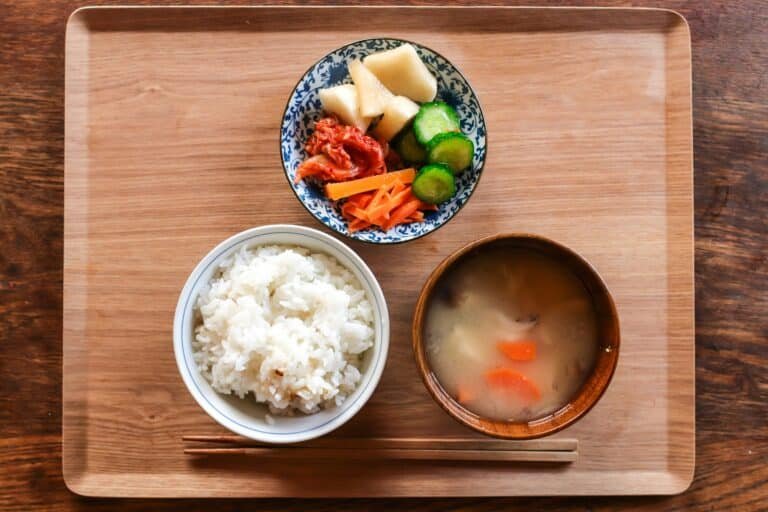
Traditional Japanese diets combined rice with vegetables, fish, soy foods, seaweeds, fermented products and many small side dishes. Cohort evidence links Japanese-style dietary patterns with lower cardiovascular mortality, but high…
Evidence Supported
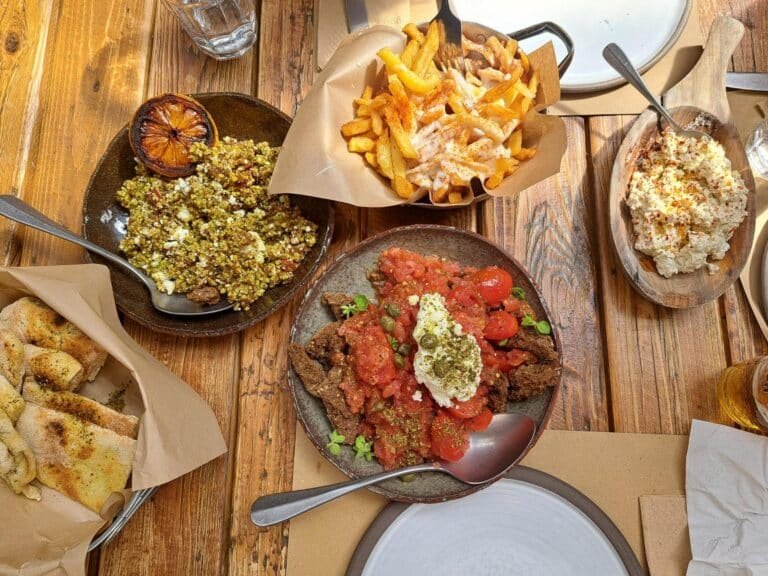
The Mediterranean diet emerged from ecology, agriculture, scarcity, religion and cuisine—not from a single ancient health prescription. Modern evidence, including the reanalysed PREDIMED trial and prospective cohorts, supports cardiovascular benefits…
Evidence Supported
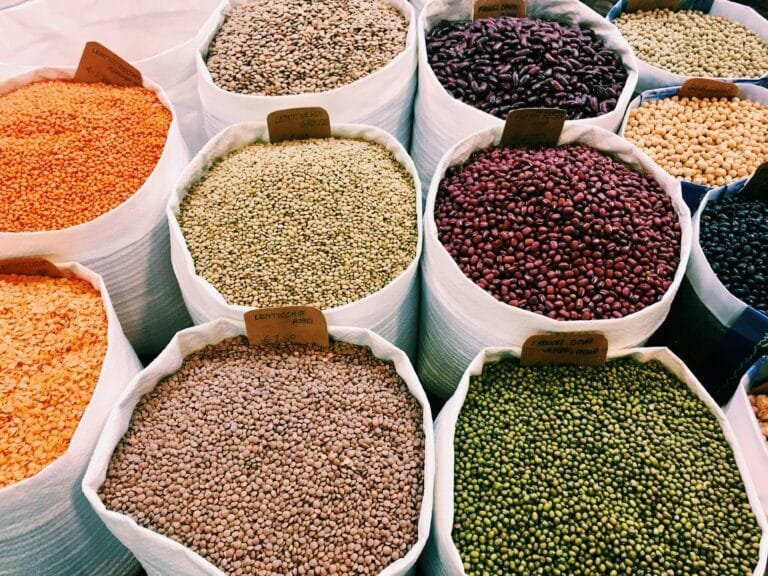
Grain–pulse pairings such as rice and dal, maize and beans, or bread and lentils recur because they combine affordable staple energy with protein, fibre and complementary amino-acid profiles. The nutritional…
Scientifically Plausible
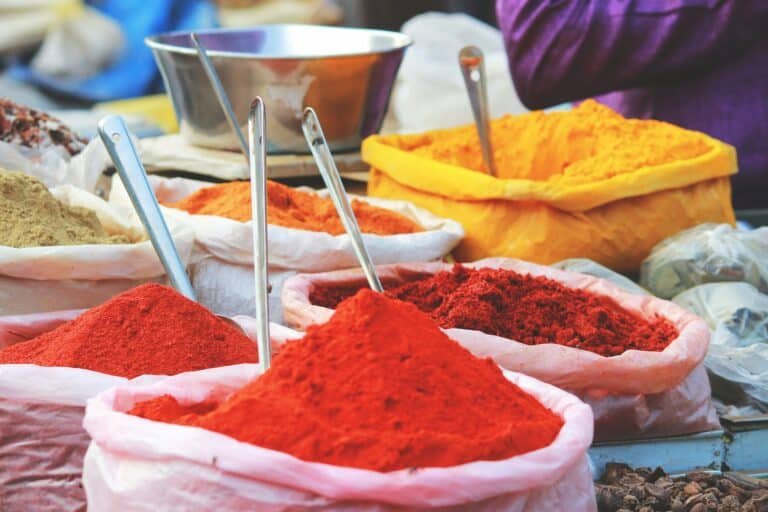
Spice mixtures create real chemical and sensory interactions, and some combinations can alter antimicrobial activity or bioavailability. But synergy is specific to the ingredients, dose and outcome; traditional masalas should…
Partially Supported
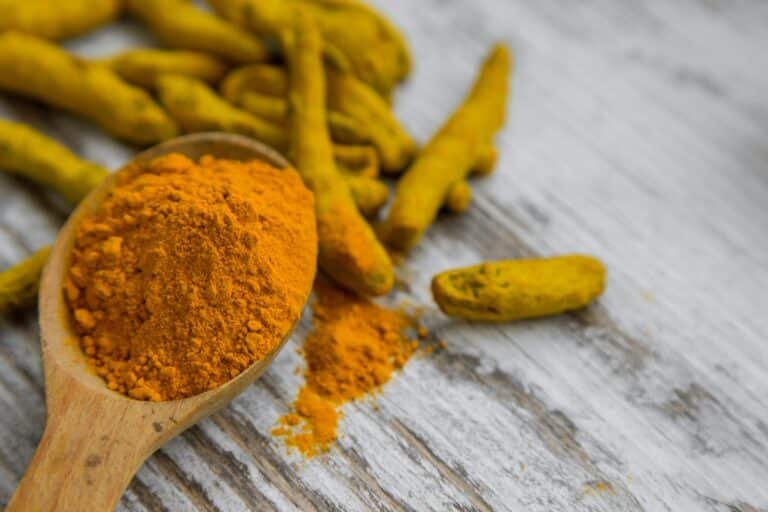
Turmeric earned culinary, medicinal and ritual roles in South Asia long before curcumin was isolated. Modern trials show effects from concentrated turmeric/curcumin supplements for some outcomes, but bioavailability is low…
Partially Supported
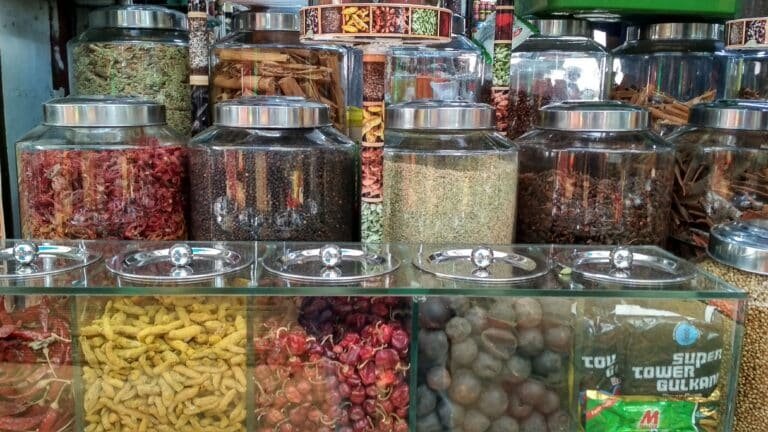
Indian spice use is ancient, culinary and economically important. Many spices have antimicrobial and bioactive compounds, but flavour, trade, agriculture and cuisine explain their centrality better than any single health…
Evidence Supported
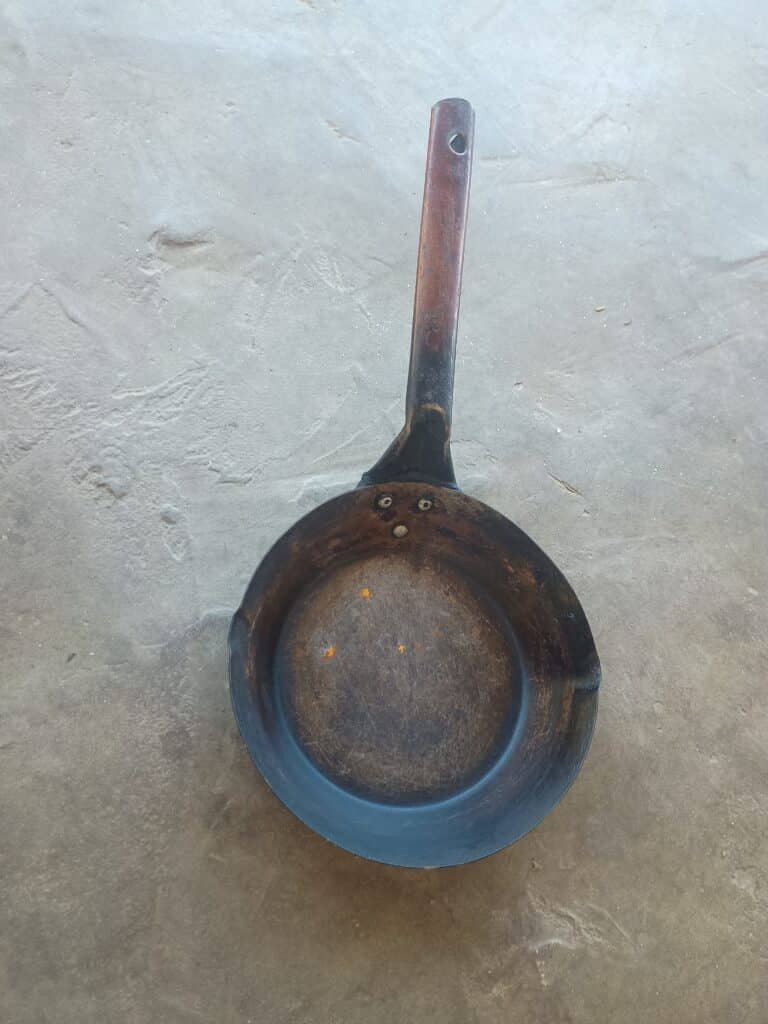
Iron cookware can transfer nutritionally meaningful iron into food, especially with acidic, moist and longer-cooked dishes. Human trials suggest it can improve iron intake and sometimes haemoglobin, but effects vary…
Historically Practical
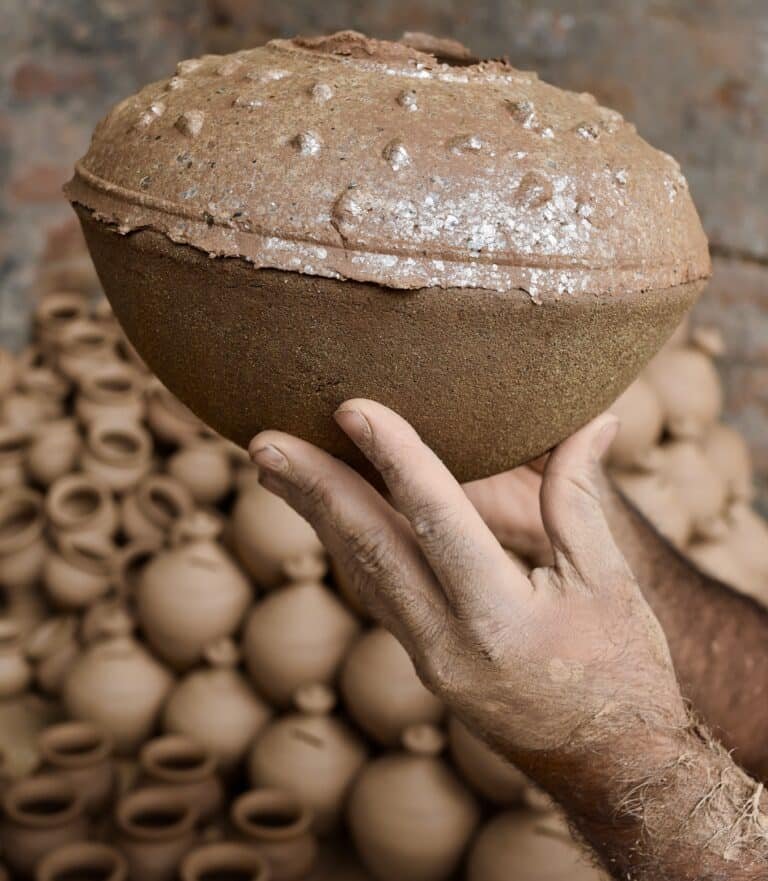
Clay pots transformed cooking by making boiling, simmering and storage widely accessible. Their heat retention and porous structure can shape texture and moisture, but claims that clay universally detoxifies or…